

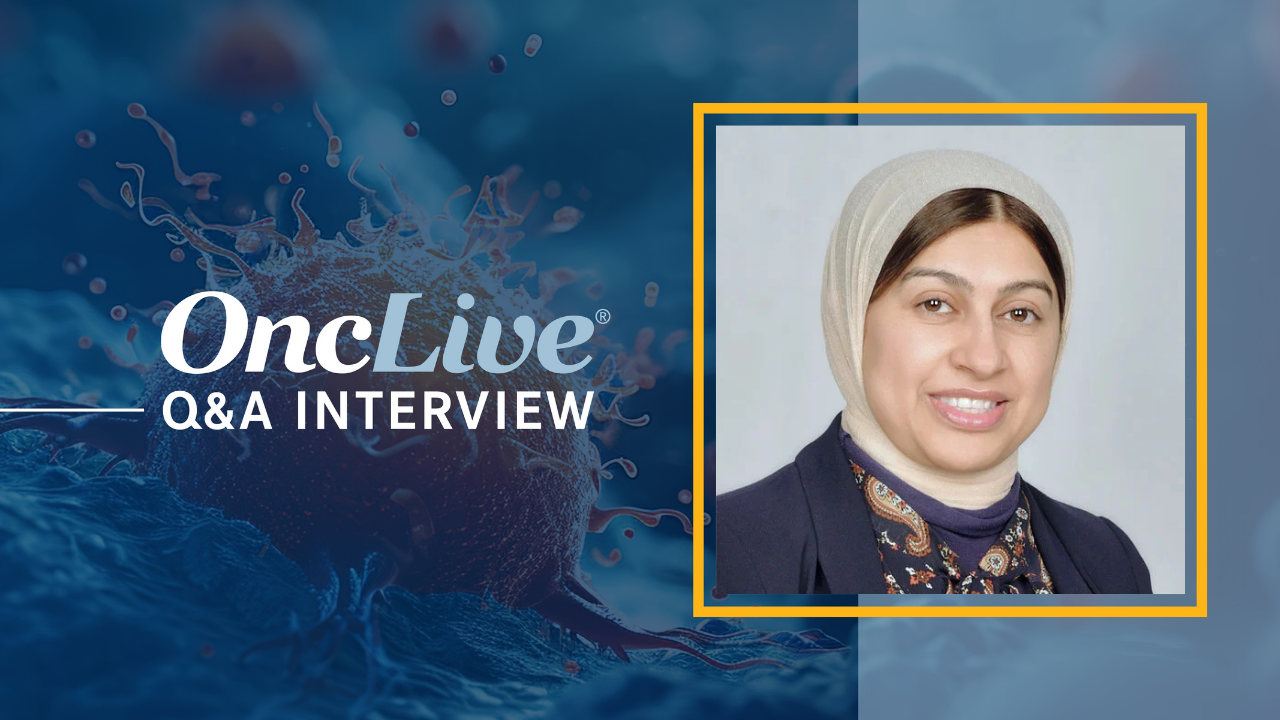




































































Jennifer Chan, MD, MPH, discusses dose escalation and interval shortening with somatostatin analogs for GEP-NETs and how SORENTO may shape treatment.
Jennifer Chan, MD, MPH, discusses dose escalation and interval shortening with somatostatin analogs for GEP-NETs and how SORENTO may shape treatment.
The FDA clears subcutaneous daratumumab in smoldering myeloma, adds REMS guidelines for pexidartinib in TGCT, and more.

Use of camizestrant plus a CDK4/6 inhibitor at the emergence of an ESR1 mutation did not significantly worsen visual symptoms in HR-positive breast cancer.
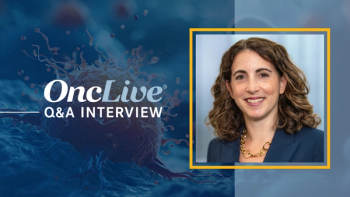
Erica L. Mayer, MD, MPH, discusses data with giredestrant and how the evERA trial shows the potential for SERD-based regimens in ER-positive breast cancer.
Protein METTL7A plays key role in resistance to drugs targeting EGFR-mutant lung adenocarcinoma.
The phase 3 ASCENT-07 trial did not meet its primary PFS end point with first-line sacituzumab govitecan in hormone receptor–positive, HER2-negative breast cancer.

The FDA has approved generic dasatinib tablets for select patients with chronic myeloid leukemia and acute lymphoblastic leukemia.

Marlana Orloff, MD, discusses data for the combination of darovasertib and crizotinib in metastatic uveal melanoma.

Surbhi Sidana, MD, and Joshua Richter, MD, discuss the FDA approval of BVd for relapsed/refractory myeloma after at least 2 prior lines of therapy.
The FDA has approved daratumumab and hyaluronidase-fihj for the treatment of adult patients with high-risk smoldering multiple myeloma.

GFH375 produced responses and tumor shrinkage in heavily pretreated pancreatic ductal adenocarcinoma harboring KRAS G12D mutations.

Researchers conducted the largest, most comprehensive molecular analysis of RMC, leading to the identification of TROP2 as a promising therapeutic target.

Treatment with adjuvant durvalumab plus tremelimumab resulted in a DFS benefit vs active monitoring in RCC, particularly in the higher-risk population.

UGN-103 produced a 77.8% 3-month CR rate in patients with low-grade, intermediate-risk NMIBC.

Justin Taylor, MD, discusses findings from a study that evaluated the ability of ChatGPT to offer specific information in hematologic malignancies.

Oncology Fellows reports recent hematology/oncology fellows grant and award winners and looks ahead to upcoming grants.

Daniel P. Petrylak, MD, discusses key data in MIBC presented during the 2025 ESMO Congress and previews the 19th Annual New York GU Cancers Congress.

Treatment with 177Lu-edotreotide was linked to improvements in PFS and ORR across subgroups of patients with SSTR-positive GEP-NETs.

A phase 2 study is using ctDNA positivity to select patients with CRC who may benefit from treatment with the CSF1R-directed antibody AMB-05X.

Akriti Jain, MD, discusses treatment selection and sequencing of JAK inhibitors in myelofibrosis, emerging CALR-targeted research, and defining disease modification.
The FDA has granted orphan drug designation to M2T-CD33 for the treatment of patients with acute myeloid leukemia.
HER2DX low-risk scores were associated with improved 10-year RFS and OS outcomes in older patients with HER2-positive early-stage breast cancer.
The FDA has added REMS guidelines for the use of pexidartinib in tenosynovial giant cell tumor.
Three experts spotlight key trials from the 2025 ESMO Congress investigating novel cancer vaccines across solid tumors.