
At the 18th Annual Conference of the National Comprehensive Cancer Network, experts presented the latest updates to the NCCN Clinical Practice Guidelines in Oncology.
At the 18th Annual Conference of the National Comprehensive Cancer Network, experts presented the latest updates to the NCCN Clinical Practice Guidelines in Oncology.

A new study suggests that germline mutations of BRCA1/2 could play a significant role in more-aggressive cases of prostate cancer. Additionally, BRCA2 mutations were specifically linked to poor overall survival.

Active surveillance for low-grade prostate cancer has long been considered the elusive "holy grail" for mitigating the overtreatment effect of PSA screening.

Some HER2-positive breast cancer patients may be able to receive targeted neoadjuvant therapy with lapatinib and trastuzumab without chemotherapy.

Arta Monjazeb, MD, and Michael Kent, DVM, from the UC Davis Comprehensive Cancer Center, describe an early phase trial exploring the potential of translating successful treatment from dogs to humans with advanced melanoma or sarcoma.

Andrew L. Pecora, MD, discusses possible drawbacks to the Physician Payment Sunshine Act, which was passed in 2010 by Congress as part of the Patient Protection and Affordable Care Act.
The mortality rate from prostate cancer has declined significantly in the past few decades; however, there is much debate over how much PSA screening contributed to that decline.
A new study has confirmed that low testosterone is a side effect in a large proportion of patients who received crizotinib for the treatment of ALK-positive non–small cell lung cancer.

The addition of cetuximab to chemotherapy as first-line treatment of KRAS wild-type unresectable colorectal liver metastases resulted in a higher rate of resection and longer survival than chemotherapy alone

Paul V. O'Donnell, MD, PhD, from the Seattle Cancer Care Alliance, discusses a study examining alternative donor transplant methods for patients with hematologic malignancies.

Susan F. Slovin, MD, PhD, from Memorial Sloan-Kettering Cancer Center, provides an overview of the most promising immunotherapeutic follow-ups to sipuleucel-T in prostate cancer.
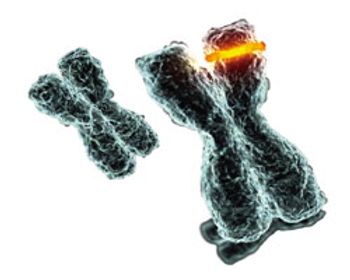
Researchers are attempting to determine if targeting more than one tyrosine kinase provide a greater benefit in several clinical trials involving the investigational drug afatinib.