Articles by Lauren M. Green

Nivolumab as monotherapy or in combination with ipilimumab may present a new second- or third-line treatment option for patients with malignant pleural mesothelioma, based on preliminary findings from a phase II trial where nivolumab alone or in the combination improved disease control and prolonged survival in patients with this rare but aggressive cancer.
Patients receiving treatment for metastatic cancer who used a web-based tool to report their symptoms either while at home or during clinic visits lived on average 5 months longer than their counterparts who had standard symptom monitoring, according to findings of a randomized trial reported at the 2017 ASCO Annual Meeting.

Three out of 4 patients representing a range of TRK fusion–positive solid tumors responded to the novel pan-TRK inhibitor larotrectinib (LOXO-101) and remain on treatment, setting the stage for the well-tolerated oral agent to become a standard of care for adults and children with any advanced tumor harboring this mutation.

Advanced cancer exacts an overwhelming emotional toll, and a brief but novel psychological intervention involving individual therapy sessions delivered by trained therapists has been shown to alleviate patients’ distress and help them to manage the profound and practical problems that come with this diagnosis.

Findings of a new prospective study suggest that eating tree nuts like almonds, walnuts, and pecans can improve overall survival and reduce the risk of recurrence in patients with colon cancer.

The FDA has approved co-packaging of the oral medications ribociclib (Kisqali) and letrozole (Femara) for the treatment of postmenopausal women with HR-positive, HER2-negative advanced breast cancer.

Adding a formulation of the Coxsackievirus A21 (CAVATAK®) to ipilimumab (Yervoy) yielded an overall response rate of 50% and was well-tolerated in immunotherapy-naïve and pretreated patients with advanced melanoma.

Long-term survival in patients with metastatic non–small cell lung cancer who received the immune checkpoint inhibitor nivolumab (Opdivo) has proven to be much higher than expected, with 16% of these patients surviving after 5 years, equivalent to about 4 times what would be expected with chemotherapy.

Tumor treating fields reduced the risk of death by 37% and overall survival was extended by a median of 5 months for patients with glioblastoma multiforme, in a landmark analysis of the EF-14 trial.

A new study has provided yet more evidence that survivors of endometrial cancer should be closely monitored for cardiovascular disease.

Some patients who had to stop their PD-1/PD-L1 immunotherapy because of an immune-related adverse event proved to be sustained responders, even after being off the therapy for more than 6 months.
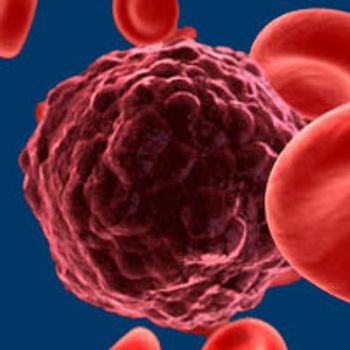
Patients with lymphoma who are treated with brentuximab vedotin (BV) often experience peripheral neuropathy as an adverse event and potentially dose-limiting toxicity. A novel study has shown that, despite the prevalence of this toxicity, these patients report that the better outcomes yielded from treatment with BV outweigh the risk of neuropathy.

Patients diagnosed with head and neck or lung cancer are especially prone to feelings of distress, especially depression, and researchers in the Netherlands have found that using a gradual or “stepped” approach to providing psychosocial support not only improves their quality of life but is also cost-effective.

Findings from the first prospective, randomized clinical trial to evaluate modern scalp-cooling demonstrate that the system is safe and effective in reducing hair loss in women being treated with chemotherapy for their breast cancer, especially for those on taxane-based regimens.

Early data from a phase I/II study suggest that the combination of brentuximab vedotin (Adcetris) and nivolumab (Opdivo) may be an active and well-tolerated outpatient regimen in patients with relapsed/refractory classical Hodgkin lymphoma after failure of standard frontline chemotherapy.
Extending letrozole therapy in women with early-stage, HR-positive breast cancer who completed 5 years of prior hormone therapy did not yield a statistically significant improvement in either disease-free or overall survival, but prolonged use of the aromatase inhibitor may be beneficial in some subgroups of women with a higher risk of recurrence.

Adding the oral BCL-2 inhibitor venetoclax (Venclexta) to obinutuzumab (Gazyva) and ibrutinib (Imbruvica) in patients with relapsed/refractory chronic lymphocytic leukemia is safe and is demonstrating encouraging signs of efficacy.

Ibrutinib showed an 89% response rate in both treatment-naïve and relapsed patients with chronic lymphocytic leukemia/small lymphocytic lymphoma in findings from the longest follow-up to date for the BTK inhibitor.

Researchers are hopeful that the addition of the investigational agent vadastuximab talirine to standard 7+3 induction therapy may improve survival for patients with acute myeloid leukemia.

CPX-351 may provide a bridge to successful transplantation for older patients with acute myeloid leukemia with limited treatment options.

Checkpoint blockade immunotherapies that have moved quickly from the development stage to clinical
use in a range of solid tumors are also being explored in hematologic malignancies.
Nivolumab (Opdivo) may be the only checkpoint inhibitor that is approved by the FDA as a treatment of patients with Hodgkin lymphoma, but other immunotherapies—alone and in combination with other novel agents—are emerging in other indications.

As a treatment of patients with advanced ovarian cancer, evidence has shown that neoadjuvant chemotherapy has reduced mortality and improved quality of life. However, oncologists are still challenged at how to deploy this treatment approach in clinical practice.

Additional findings from 2 studies of rolapitant (Varubi) for the prevention of CINV are providing further evidence of the efficacy of the long-acting NK-1 receptor antagonist.

Recent findings from clinical trials exploring neoadjuvant treatment in patients with triple-negative breast cancer may provide answers to several questions surrounding early-stage disease.

A study of women treated with the mTOR inhibitor everolimus (Afinitor) plus exemestane for their advanced breast cancer found that daily use of a steroid-based mouthwash markedly decreased the incidence and severity of stomatitis.
Although paradigms for treating older patients with head and neck cancer are not well defined, advancements in targeted and immunotherapies and less toxic radiation regimens suggest that physicians can aim for a more individualized approach to treating this patient population.
Although androgen deprivation therapy has a survival benefit for patients with high-risk and locally advanced prostate cancer, it is associated with substantial safety concerns, and mixed data exist regarding whether it causes clinically significant depression.

Young black women with breast cancer are much less likely to have BRCA testing or, if they carry a BRCA mutation, to undergo risk-reducing prophylactic mastectomy or salpingo-oophorectomy.

Women who extended their adjuvant therapy with an aromatase inhibitor to 10 years after treatment for their early-stage HR-positive breast cancer reduced their risk of recurrence by more than a third and experienced no new toxicities or worsening of quality of life.