

Judging from the drug pipeline, the future of oncology is oral chemotherapy.
Judging from the drug pipeline, the future of oncology is oral chemotherapy.
Efforts are underway to expedite the identification of therapies that offer promise for patients with glioblastoma
A panel of hematology-oncology experts discuss the emergence of biosimilar use in oncology.
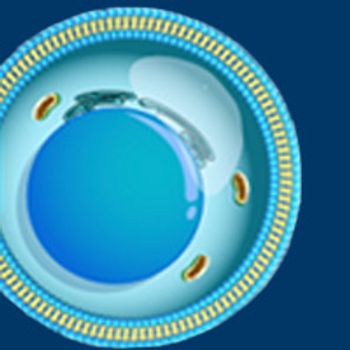
A novel compound that uses abundant lipids in cancer cell membranes to deliver a radioisotope to the tumor environment shows early signs of efficacy in a range of B-cell malignancies.
Primary chemoablation with UGN-102 elicited encouraging responses in patients with low-grade, intermediate-risk non–muscle-invasive bladder cancer and may consequently be an appropriate nonsurgical treatment intervention for patients.

Advances of chimeric antigen receptor T-cell therapy technologies are in rapid development and under investigation in a range of preclinical and clinical research around the globe.
Edgardo Santos, MD, discusses the FDA approval of ramucirumab plus erlotinib for the first-line treatment of patients with metastatic NSCLC with EGFR exon 19 deletions or exon 21 (L858R) mutations.
Molecularly targeted therapies showed practice-changing results for patients with biomarker-driven lung, colorectal, and ovarian cancers in phase 3 randomized clinical trial findings.
Thomas E. Stinchcombe, MD, discusses brigatinib’s mechanism as well as the next steps to advance the treatment paradigm for patients with ALK-positive NSCLC.
Findings from a preplanned analysis of the phase 4 CARD study demonstrated superior patient-reported outcomes with cabazitaxel in men with castration-resistant prostate cancer who received prior docetaxel and androgen receptor targeted therapy versus alternative AR-targeted treatment options.
These are disquieting times for clear and decisive messaging regarding vaccines.