CD22-directed CAR T-cell therapy generated high complete response rates and manageable safety in heavily pretreated patients with large B-cell lymphoma who relapsed following CD19-directed CAR T-cell therapy.
CD22-directed CAR T-cell therapy generated high complete response rates and manageable safety in heavily pretreated patients with large B-cell lymphoma who relapsed following CD19-directed CAR T-cell therapy.
Both veliparib plus total neoadjuvant therapy and pembrolizumab plus total neoadjuvant therapy failed to improve short-term outcomes in unselected patients with locally advanced rectal cancer.

Sacituzumab govitecan prolonged survival vs treatment of physician’s choice in pretreated patients with hormone receptor–positive, HER2-negative metastatic breast cancer regardless of Trop-2 expression, according to updated findings from the phase 3 TROPiCS-02 trial.
The safety profile for the combination of tucatinib, trastuzumab, and capecitabine from the phase 3 HER2CLIMB trial was confirmed with real-world data for patients with HER2-positive metastatic breast cancer.
Treatment with rusfertide generated sustained hematocrit control at levels below 45% in patients with polycythemia vera, leading to a reduced need for repeated phlebotomy and eliminating this need in some patients, according to findings from 2 phase 2 clinical trials.
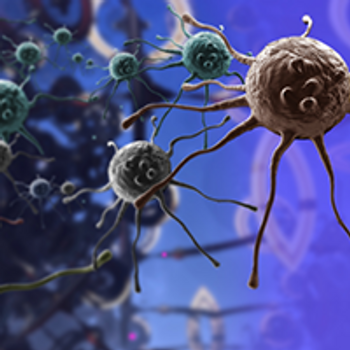
Results from a retrospective analysis presented during the 2022 ESMO Congress indicated that circulating tumor DNA could potentially be leveraged as a prognostic factor and a tumor-specific biomarker for diffuse large B-cell lymphoma in China.
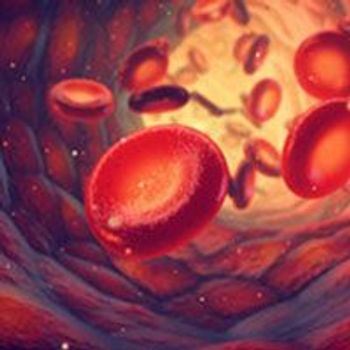
Relapse following treatment with BCMA-directed CAR T-cell therapy was associated with poor survival outcomes in patients with relapsed/refractory multiple myeloma.
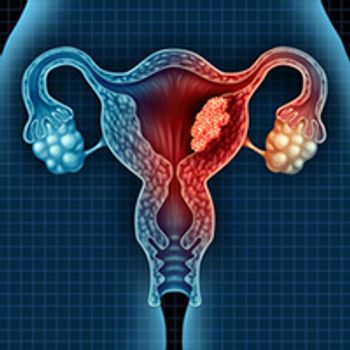
Bevacizumab combined with first-line chemotherapy was shown to improve progression-free survival and overall survival in patients with advanced ovarian clear cell carcinoma.
The addition of panitumumab to mFOLFOX6 improved outcomes for patients with left-sided RAS wild-type metastatic colorectal cancer compared with bevacizumab and chemotherapy in the front-line setting, according to results from the phase 3 PARADIGM trial.

Ribociclib plus endorcrine therapy led to a statistically significant improvement in progression-free survival in patients with hormone receptor–positive, HER2-negative unresectable or metastatic breast cancer with tumor progression following treatment with a CDK4/6 inhibitor, according to findings from the randomized phase 2 MAINTAIN trial.

The addition of subcutaneous epcoritamab to treatment with rituximab and lenalidomide resulted in a 100% response rate and a low incidence of low-grade cytokine release syndrome in patients with relapsed/refractory follicular lymphoma, according to findings from arm 2 of the EPCORE NHL-2 trial.
The addition of niraparib to abiraterone acetate and prednisone achieved for promising response rates in patients with metastatic castration-resistant prostate cancer and homologous recombination repair gene alterations who had progressed on prior treatment with an androgen receptor–targeted therapy.
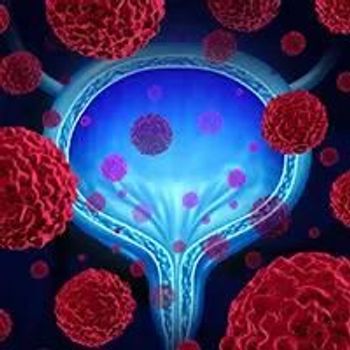
The combination of the novel adenoviral vector NG-641 and nivolumab is being investigated in patients in the phase 1a/b NEBULA trial in patients with previously treated metastatic or advanced epithelial tumors.
Lenvatinib demonstrated superiority to sorafenib in the first-line setting for patients with unresectable hepatocellular carcinoma, according to results of a propensity score matching analysis.
The combination of naratuximab emtansine and rituximab yielded deep responses, and a duration of response that was not reached in patients with relapsed or refractory diffuse large B-cell lymphoma.

The hypoxia-inducible factor-2 alpha inhibitor belzutifan maintained clinical efficacy with further follow-up in patients with Von-Hippel Lindau–associated renal cell carcinoma, as well as other VHL-associated neoplasms.

Lifileucel has demonstrated promising long-term responses in patients with heavily pretreated advanced or metastatic melanoma who have progressed following PD-1 and PD-L1 inhibition.
A de-escalated course of neoadjuvant therapy of trastuzumab and pertuzumab with or without added weekly paclitaxel for only 12 weeks yielded high response rates and significant survival in patients with HER2-positive, hormone receptor–negative early breast cancer.
Amivantamab in combination with lazertinib elicited responses in more than one-third of chemotherapy-naïve patients with EGFR-mutant non–small cell lung cancer who had progressed on osimertinib.

The tumor-infiltrating lymphocyte therapy lifileucel was found to elicit durable responses in patients with advanced melanoma who were previously treated with an immune checkpoint inhibitor.

The addition of daratumumab to lenalidomide and dexamethasone resulted in improved progression-free survival vs Rd alone in patients with newly diagnosed multiple myeloma who were not eligible for transplant—even in frail patients.
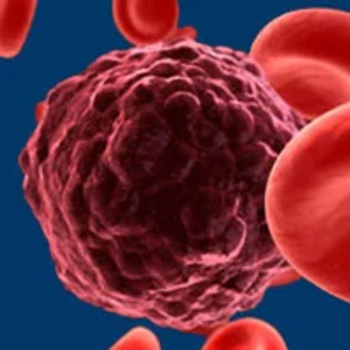
February 17, 2021 — Cord blood–derived natural killer immunotherapy, when paired with high-dose chemotherapy and autologous stem cell transplant, showcased early antitumor activity in patients with B-cell non-Hodgkin lymphoma.

February 13, 2021 - Enfortumab vedotin was found to have superior efficacy over chemotherapy when used in patients with advanced urothelial carcinoma who had received prior platinum-based chemotherapy and PD-1/L1 inhibition.
February 12, 2021 - The combination of nivolumab and cabozantinib continued to showcase a superior survival benefit over single-agent sunitinib when used as first-line treatment in patients with advanced renal cell carcinoma.
February 11, 2021 — Apamistamab conditioning treatment with targeted radioimmunotherapy to the bone marrow resulted in high rates of successful allogeneic hematopoietic stem cell transplants in patients with active, relapsed, or refractory acute myeloid leukemia.
January 30, 2021 - Neoadjuvant atezolizumab followed by surgery resulted in a major pathologic response in 21% of patients with resectable stage IB-IIIB non–small cell lung cancer, as well as significant surgical outcomes with a high rate of R0 resection.
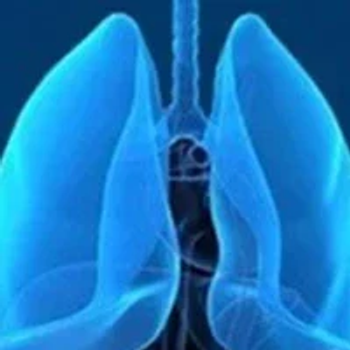
January 29, 2021 - Thirty percent fewer new lung cancer cases have been diagnosed during the coronavirus disease 2019 pandemic versus pre-pandemic, with more symptomatic and severe cases of non–small cell lung cancer diagnosed during this period.
January 29, 2021 - The antibody-drug conjugate fam-trastuzumab deruxtecan-nxki demonstrated antitumor activity in patients with HER2-overexpressing non–small cell lung cancer, irrespective of expression levels.

January 16, 2021 - Trifluridine/tipiracil, when used in combination with bevacizumab, led to an improvement in overall survival over capecitabine/bevacizumab in the frontline treatment of patients with unresectable metastatic colorectal cancer who are not eligible for standard chemotherapy.

Neoadjuvant chemotherapy regimens were not found to increase the risk for perioperative complications in patients who have potentially resectable advanced thoracic esophageal cancer.
September 30th 2022
December 7th 2020