

The top 5 OncLive videos of the week cover insights in polycythemia vera, multiple myeloma, colorectal cancer, LBCL, and mantle cell lymphoma.
The top 5 OncLive videos of the week cover insights in polycythemia vera, multiple myeloma, colorectal cancer, LBCL, and mantle cell lymphoma.
Cyrus M. Khan, MD, discusses the role of second-generation BTK inhibitors and their implications for clinical practice in the CLL treatment paradigm.
AHN Cancer Institute’s Centers of Excellence unite teams of experts to provide patients with high-quality, collaborative care in a supportive environment.

Press Release
The Allegheny Health Network's comprehensive cancer navigation program supports all cancer patients from diagnosis to treatment and beyond.

At the Allegheny Health Network Cancer Institute, specialists are turning the tide on pancreatic cancer through early intervention and collaboration.
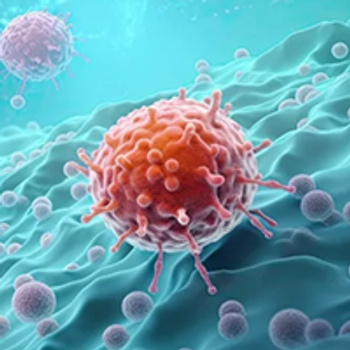
A medical team at AHN tested two courses of neoadjuvant immunotherapy for advanced gastroesophageal cancer — a relatively rare disease.
Eirwen M. Miller, MD, discusses the importance of advocating for women in gynecologic oncology on International Women’s Day.

Eirwen M. Miller, MD, discusses her experience in the oncology field and the importance of ensuring gender is not a defining quality for oncologists.

Suzanne B. Coopey, MD, FACS, discusses ways that women in oncology can feel further supported and advocated for in the cancer care space.
Suzanne B. Coopey, MD, highlights the initial challenges that she experienced during her residency and expands on the support found in the field.
Suzanne B. Coopey, MD, FACS, discusses the importance of addressing gender disparities in cancer care.

Sarah Crafton, MD, discusses the potential future of antibody-drug conjugates in patients with ovarian cancer.
Eirwen M. Miller, MD, discusses updates on antibody-drug conjugates and emerging targets in ovarian cancer.
Sarah Crafton, MD, discusses the ongoing development of agents targeting key biomarkers in ovarian cancer, such as FRα and HER2; expands on the integration of mirvetuximab soravtansine into clinical practice and its investigation in earlier lines; and emphasizes the importance of continued patient enrollment onto ongoing or planned ADC trials in ovarian cancer.
Eirwen M. Miller, MD, discusses how mirvetuximab soravtansine-gynx in ovarian cancer has bolstered the development of novel ADCs in ovarian cancer.
Sarah Crafton, MD, discusses novel therapeutic targets under investigation in patients with ovarian cancer.
Eirwen M. Miller, MD, spotlights updated data within the endometrial, cervical, and ovarian cancer spaces following the 2023 ESMO Congress.
Eirwen M. Miller, MD, highlights data that have impacted the treatment armamentarium for patients with endometrial cancer and mismatch repair–deficient or mismatch repair–proficient disease throughout the course of 2023.

Press Release
The Allegheny Health Network Cancer Institute announced today that it has established one of the region’s first clinics dedicated to precision cancer medicine and has appointed nationally recognized medical oncologist Ariel Lopez-Chavez, MD, MS, to serve as director of the new clinic.
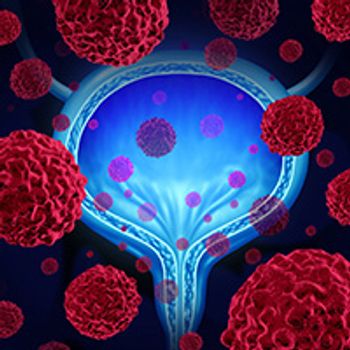
Press Release
A phase 1/2 study will assess the safety and efficacy of azeliragon in patients refractory to first-line treatment of metastatic pancreatic cancer.

Allegheny Health Network Cancer Institute’s (AHNCI) Radiation Oncology program recently attained accreditation from the American Society for Radiation Oncology APEx - Accreditation Program for Excellence® for all 13 of its radiation oncology facilities.
Allegheny Health Network Cancer Institute unveiled its new, state-of-the-art Skin Cancer Center at West Penn Hospital, featuring a first-in-the-region full-body 3D imaging system that provides custom digital surveillance for skin abnormalities.
Press Release
Interventional Radiologists at Allegheny Health Network's West Penn Hospital are the first in the region, and among the first in the country, to use a cutting-edge new technology called the Aliya Pulsed Electrical Field system, to target and eradicate cancer cells while preserving healthy adjacent tissues.

More surgeons are having in-depth conversations with their patients with breast cancer and prophylactic patients about the fact that nerves will have to be cut during their mastectomy, how that will impact sensation and quality of life, and how surgeon collaboration and breast neurotization can help restore sensation.
Suzanne B. Coopey, MD, FACS, discusses the benefits seen with the de-escalation of axillary lymph node surgery for patients with breast cancer, as well as current recommendations for the de-escalation or omission of this procedure.

Vinay Edlukudige Keshava, MD, shares the story of his fellowship and provides advice on how to best transition to the next step in an oncologic career.

Colin E. Champ, MD, discusses the importance of considering the use of radiation therapy for patients with breast cancer and details ongoing research into this arena.

Christie J. Hilton, DO, discusses the first-line standard of care and changes in the second-line SOC, including key findings from the phase 3 DESTINY-Breast03 trial, in patients with HER2-positive metastatic breast cancer.
Christie J. Hilton, DO, discusses the potential impact of the ongoing phase 2 CompassHER2-pCR trial for patients with HER2-positive breast cancer.
Suzanne B. Coopey, MD, FACS, discusses the de-escalation of axillary lymph node surgery, shifts in the use of radiation oncology, and changes in the treatment paradigm for HER2-positive breast cancer.