

Opinion|Videos|November 1, 2024
Assessing Transplant Eligibility and Fitness for Intensive Chemotherapy
Author(s)Margaret T. Kasner, MD, Christian Fidler, MD
Panelists discuss how identifying candidates for allogeneic transplant in secondary acute myeloid leukemia involves a comprehensive assessment of disease characteristics, patient factors, and timing considerations, while also evaluating fitness for intensive chemotherapy induction using specific criteria to guide treatment decisions.
Advertisement
Episodes in this series
Video content above is prompted by the following:
- Please describe how you identify individuals eligible for allogeneic transplant.
- Discuss when you begin the process of referring a patient for transplant.
- How do you determine if a patient is fit for intensive chemotherapy induction in the frontline setting?
- What are some criteria that you use to determine if patients are eligible for intensive chemotherapy induction?
Advertisement
Related to this article
Oral azacitidine and cedazuridine met the end point of total cycle azacitidine exposure vs subcutaneous azacitidine in MDS or CMML.
UTRxMYCN M1-14 received orphan drug status for soft tissue sarcoma and RPDD for rhabdomyosarcoma.
Interim data showed that the BCMA-directed CAR T-cell therapy NXC-201 generated complete responses in relapsed/refractory AL amyloidosis.
Estelamari Rodriguez, MD, MPH, discusses the rationale, design, and practice implications of the phase 3 RELATIVITY-1093 trial in nonsquamous NSCLC.
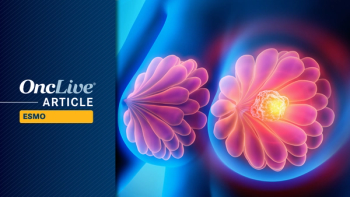
Experts spotlight the variety of breast cancer research being presented at the 2026 ESMO Congress.

The third BLA submission for tabelecleucel follows 2 CRLs and includes updated ALLELE data with additional patients and longer follow-up.
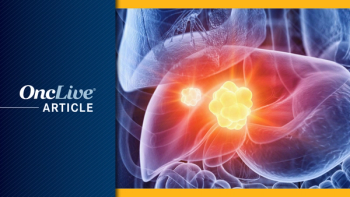
A New England Journal of Medicine report describes complete hepatoblastoma regression in a 3-year-old treated with a novel immunotherapy.
Plinabulin plus docetaxel received fast track designation for pretreated nonsquamous NSCLC without actionable genomic alterations.
Advertisement
Advertisement
Trending on OncLive
1
FDA Grants Fast Track Designation to Plinabulin Plus Docetaxel in Post-ICI Non-Squamous NSCLC
2
Breast Cancer Experts Highlight Abstracts to Watch at ESMO 2026
3
FDA Approves Denosumab Biosimilar for Skeletal-Related Events, GCTB, and Hypercalcemia of Malignancy
4
Navigating DLL3-Targeting T-Cell Engagers and the Evolving Small Cell Lung Cancer Treatment Landscape
5