
Opinion|Videos|November 20, 2026
Comparing Toxicity Profiles and Treatment Considerations in Relapsed/Refractory Multiple Myeloma
Author(s)Joshua Richter, MD, Surbhi Sidana, MD
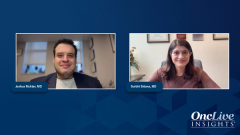
Dr. Joshua Richter and Dr. Surbhi Sidana compare the safety profiles and practical considerations of BCMA-directed CAR T-cell therapies, bispecific antibodies, and antibody-drug conjugates (ADCs) in relapsed/refractory multiple myeloma.
Advertisement
Episodes in this series
Dr. Joshua Richter and Dr. Surbhi Sidana compare the safety profiles and practical considerations of BCMA-directed CAR T-cell therapies, bispecific antibodies, and antibody-drug conjugates (ADCs) in relapsed/refractory multiple myeloma. Dr. Sidana discusses the risk of cytokine release syndrome (CRS) and immune effector cell-associated neurotoxicity syndrome (ICANS) with T-cell-engaging therapies, as well as the infection risks associated with continuous bispecific antibody treatment. She highlights the role of immunoglobulin replacement with intravenous immunoglobulin (IVIG) as an infection-prevention strategy. In contrast, ADC-associated toxicities are primarily ocular, including corneal changes, dryness, and blurred vision, which may improve after treatment interruption. The experts also review the distinct taste, skin, and nail-related adverse effects associated with talquetamab, a GPRC5D-directed bispecific antibody, and discuss less common but serious delayed neurotoxicities and immune effector cell-associated enterocolitis with CAR T-cell therapy. Dr. Richter emphasizes the importance of individualized risk-benefit discussions, including consideration of potential secondary malignancies and patient preferences when selecting treatment.
Advertisement
Related to this article
Jorge Cortes, MD, discusses response-based ponatinib dosing, mutation testing, and managing cardiovascular risk in resistant CML.

The EC approved every-6-week maintenance dosing and shorter 350-mg infusions for cemiplimab across all 6 EU indications.
Faculty convened at an OncLive Scientific Interchange and Workshop to guide oncology fellows through designing a cancer clinical trial development program, from concept to approval.

The FDA granted priority review to sonesitatug vedotin for previously treated CLDN18.2-positive advanced gastroesophageal cancers.

UCLA Health performs its first single-port robotic lobectomy, using a new technique that could reduce pain and make recovery easier for patients with lung cancer.

Narek Shaverdian, MD, outlines how novel strategies may reshape unresectable stage III NSCLC management.
In case you missed any, read a recap of the episodes of OncLive On Air that aired in October 2026.

The FDA granted fast track designation to elticertinib for pretreated EGFR exon 20 insertion–mutated NSCLC.
Advertisement
Advertisement
Trending on OncLive
1
FDA Grants Priority Review to Sonesitatug Vedotin in CLDN18.2+ Gastroesophageal Cancer
2
Dose Optimization, Evidentiary Bars, and Patient Selection Shape Trial Design in EGFR- and HER2-Mutant NSCLC
3
EC Approves Extended Cemiplimab Dosing in Skin, Lung, and Cervical Cancers
4
Defining High-Risk Localized Prostate Cancer and the DASL-HiCaP Trial
5