Now Playing
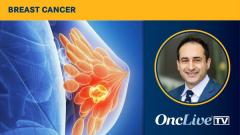
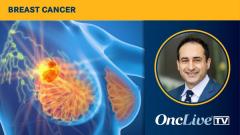
Javid Moslehi, MD, explains the intersection of cardiovascular health and oncology when optimizing breast cancer treatment decision-making.
“The area of cardio-oncology has blossomed because of the novel treatments in cancer, which have dramatically changed prognoses for many [patients with] cancer but can [be associated with] cardiovascular effects. Taking away these cardiac effects could allow more and more [patients with] cancer to be getting life-saving therapies.”
Javid Moslehi, MD, chief of Cardio-Oncology and Immunology at the University of California San Francisco Health, discussed the intersection of cardiovascular health and oncology for the goal of optimizing treatment decision-making and minimizing treatment-related cardiac toxicities for patients with breast cancer.
Moslehi observed that the field of cardio-oncology has experienced significant growth as a direct result of the development of novel treatments for breast cancer and other tumor types, which improve patient prognoses but also frequently introduce complex cardiovascular adverse effects. According to Moslehi, the primary objective of these collaborative discussions between cardiologists and oncologists is to mitigate treatment-related cardiac risks, so patients are not precluded from receiving life-saving therapies. He emphasized that effective care in this domain requires a robust multidisciplinary framework, which includes the active involvement of a cardiologist throughout each patient’s treatment trajectory.
Moslehi highlighted the need for more tailored cardiotoxicity diagnostic strategies. He suggested that the medical community should scale back on repetitive cardiotoxicity diagnostic testing, such as frequent echocardiograms for patients receiving HER2-targeted therapies. However, he also stressed that health care providers must remain increasingly cognizant of less frequently observed but far more severe toxicities, specifically noting the risk of myocarditis associated with immune checkpoint inhibitors.
The discussion further extended to the clinical significance of drug metabolism and the potential for adverse drug-drug interactions, especially since certain therapies are metabolized through identical pathways. He asserted that the complexity of these drug-drug interactions underscores the necessity of including a pharmacologist within the multidisciplinary team to provide insights on drug mechanisms of action and ensure patient safety.