Benjamin Weinberg, MD, discusses the FDA approval of daraxonrasib, RASolute 302 survival data, safety considerations, and future RAS-targeted therapies in pancreatic cancer.
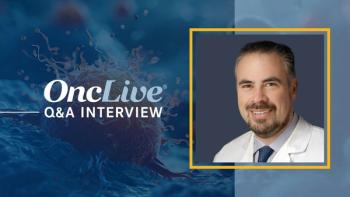
Jonathan C. Trent, MD, PhD discusses the current standard of care and existing unmet needs for patients with GIST.
Jonathan C. Trent, MD, PhD, professor of medicine, associate director, Clinical Research, director, Bone and Soft-Tissue Sarcoma Group, Sylvester Comprehensive Cancer Center, University of Miami Miller School of Medicine, discusses existing unmet needs for patients with advanced gastrointestinal stromal tumor (GIST).
Trent notes that patients with advanced GIST often harbor KIT mutations. Although KIT mutations are susceptible to FDA-approved TKIs such as imatinib (Gleevec), sunitinib (Sutent), regorafenib (Stivarga), repratinib (Qinlock), and erlotinib (Tarceva), many patients will still be alive when they develop resistance to these therapies, necessitating further treatment options, he explains. Trent says treatment-resistant GIST is a persisting unmet need, and patients in this population require newer, better-tolerated therapies, which he adds has been a key focus of his work.
One of the key factors for developing novel treatments for patients with GIST involves better understanding the molecular mechanisms of resistance of this malignancy, Trent continues. When patients with GIST develop resistance to a TKI, it is most often due to the emergence of KIT exon 13 or exon 17 mutations, he says. Considering the mechanism of these resistance mutations, Trent and colleagues hope to continue to develop treatment options that address these needs directly.
Trent explains that these resistance mutations have exhibited differing levels of sensitivity toward existing agents, and newer agents could also target these emerging alterations.
At the