
Opinion|Videos|May 5, 2026
EGFR-Mutated NSCLC: Communicating Toxicity and Treatment Burden
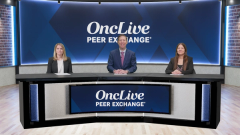
In this segment, Dr. Sands asks Dr. Wakelee how she discusses toxicity profiles and treatment burden with patients when selecting first-line therapy for EGFR-mutated non-small cell lung cancer.
Advertisement
Episodes in this series
In this segment, Dr. Sands asks Dr. Wakelee how she discusses toxicity profiles and treatment burden with patients when selecting first-line therapy for EGFR-mutated non-small cell lung cancer. Dr. Wakelee emphasizes the importance of clear, balanced communication, ensuring that patients understand both the potential benefits and risks of different treatment approaches. She highlights that discussions should go beyond listing side effects to include how toxicities may impact daily life, including fatigue, dermatologic effects, and the need for ongoing monitoring or clinic visits. The conversation also addresses how treatment burden can vary depending on the intensity and route of therapy, and how these factors influence patient preferences. Dr. Wakelee underscores the need to individualize these conversations, tailoring them to each patient’s priorities, lifestyle, and tolerance for risk. Overall, this segment highlights the critical role of patient-centered communication in guiding shared decision-making in EGFR-mutated NSCLC.
Advertisement
Related to this article

Read a refresh of breast cancer FDA news from August 2026, including an sNDA application in PIK3CA-mutant disease and a fast track designation.

Lanreotide injection, a generic formulation referencing lanreotide, was approved by the FDA for GEP-NETs management.
The FDA granted final approval to aLutetium Lu 177 dotatate biosimilar for patients with SSTR-positive GEP-NETs.

The TrueBeam photon therapy system has been added to the Statesir Cancer Center at Atlantic Health CentraState Medical Center.

The addition of the β-catenin pathway inhibitor tegavivint to osimertinib produced deep responses in a phase 1b study in first-line EGFR-mutated NSCLC.

Updated NCCN guidelines now recommend rusfertide as a Category 1 option for both low- and high-risk polycythemia vera.

An observational analysis showed a long-term OS benefit with Orca-T in adult patients undergoing allogeneic transplantation for hematologic malignancies.

FDA has granted fast track designation to LYT-200 plus a hypomethylating agent in relapsed/refractory high-risk myelodysplastic syndromes.
Advertisement
Advertisement
Trending on OncLive
1
FDA Grants Fast Track Designation to LYT-200 in R/R High-Risk MDS
2
Japan Approves Subcutaneous Pembrolizumab for All Approved Pembrolizumab Indications
3
NAPISTAR-1-01 Data Support Rapid TUB-040 Development in Biomarker-Unrestricted Ovarian Cancer
4
Making Invisible Cancers Visible: Study Suggests a New Route to Turn ‘Cold’ Tumors ‘Hot’
5