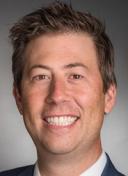

Jacob Sands, MD

Jacob Sands, MD

Jacob Sands, MD, is associate chief of the Lowe Center for Thoracic Oncology and oncology medical director of the International Patient Center at Dana-Farber Cancer Institute; as well as an assistant professor at Harvard Medical School

Articles by Jacob Sands, MD

Experts featured in this series.

Dr. Sands discusses geographic and practice setting variations, noting lurbinectedin presents no administration challenges anywhere, whereas tarlatamab's rollout has been slower, initially concentrated in academic centers with clinical trial experience managing T-cell engagers and cytokine release syndrome.
Experts featured in this series.

Dr. Sands argues that successful second-line agents should move earlier in treatment sequencing, citing precedent from other oncology fields. With only 40% to 50% of patients with ES-SCLC receiving second-line therapy due to rapid disease progression, declining functional status, or brain metastases, moving effective agents like tarlatamab earlier addresses this attrition problem.

Experts featured in this series.

Dr. Shields addresses limitations of phase 1b single-arm studies, noting smaller patient numbers may introduce selection bias toward patients most likely to benefit from T-cell engager therapy targeting DLL3 and CD3. She emphasizes the importance of randomized phase 3 data for head-to-head comparisons, particularly given that DeLLphi-303's control arm involved immunotherapy alone, preventing cross-trial comparisons with IMforte's different control arm.

Experts featured in this series.

Dr. Sands discusses tarlatamab's unique mechanism as a bispecific T-cell engager linking DLL3 on tumor cells to CD3 on T cells, creating an antigen-directed immune response distinct from other therapeutic approaches. He characterizes the second-line DeLLphi-304 trial as establishing an entirely new paradigm, representing the only example of one drug outperforming others in SCLC's second-line setting across PFS, OS, tolerability, and symptom improvement.

Experts featured in this series.

Dr. Leal discusses practical logistics of lurbinectedin plus atezolizumab, administered together every 21 days. She incorporates maintenance discussions into initial treatment planning, particularly important for patients traveling long distances with caregivers. Most patients with ports prefer intravenous administration despite subcutaneous atezolizumab being an option with comparable efficacy, safety, and drug levels but shorter infusion time.

Experts featured in this series.

Dr. Shields confirms that NCCN guidelines now recommend lurbinectedin plus atezolizumab as preferred maintenance therapy following 4 cycles of chemotherapy and immunotherapy, with the specific footnote limiting this to patients with ECOG performance status 0 to 1 and no history of brain metastases. She strictly follows the brain metastasis exclusion criteria for treatment-naive patients but notes this restriction wasn't applied in second or third-line relapse settings.

Experts featured in this series.

Dr. Joshua Sabari introduces the program on evolving maintenance and sequencing strategies in extensive-stage small cell lung cancer (ES-SCLC), joined by Dr. Anne Chiang from Yale, Dr. Jacob Sands from Dana-Farber, Dr. Misty Shields from Indiana University, and Dr. Ticiana Leal from Emory University's Winship Cancer Institute.

In this segment, Dr. Sands asks Dr. Cooper to discuss the evolving role of TROP2-directed antibody–drug conjugates in EGFR-mutated non-small cell lung cancer. Dr. Cooper explains that these agents are designed to deliver cytotoxic payloads directly to tumor cells by targeting TROP2, a surface antigen expressed in many epithelial cancers, thereby enhancing antitumor activity while attempting to limit off-target effects.

In this segment, Dr. Sands invites Dr. Cooper to explain how she evaluates key efficacy outcomes in selecting first-line therapy for EGFR-mutated non-small cell lung cancer, emphasizing the importance of integrating progression-free survival, overall survival, CNS activity, and patient-specific factors to guide individualized, real-world treatment decisions.

In this opening segment, Dr. Sands invites the panel to outline the current treatment landscape for EGFR-mutated non-small cell lung cancer, with Dr. Wakelee and Dr. Cooper highlighting how recent advances, including data from key phase III trials, are shaping first-line decisions, balancing monotherapy and combination strategies, and integrating efficacy, CNS activity, and tolerability into real-world clinical practice.