Thoracic oncologists weigh how TROP2-directed antibody-drug conjugates fit into sequencing and combination strategies for EGFR-mutated NSCLC.
Supplements and Featured Publications

Dr Sands discusses the rapidly evolving treatment landscape for SCLC.
Welcome to OncLive On Air®! I’m your host today, Kyle Doherty.
OncLive On Air is a podcast from OncLive®, which provides oncology professionals with the resources and information they need to provide the best patient care. In both digital and print formats, OncLive covers every angle of oncology practice, from new technology to treatment advances to important regulatory decisions.
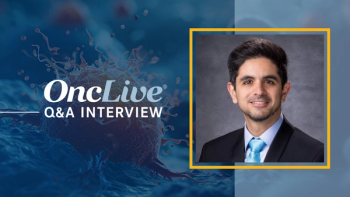
In today’s episode, we spoke with Jacob Sands, MD. Dr Sands is the associate chief of the Lowe Center for Thoracic Oncology, Oncology Medical Director of the International Patient Center, and physician at Dana-Farber Cancer Institute, as well as an assistant professor at Harvard Medical School in Boston, Massachusetts.
In our exclusive interview, Dr Sands discussed the rapidly evolving treatment landscape for small cell lung cancer (SCLC), emphasizing both the progress made with immunotherapy and the ongoing challenges associated with this aggressive disease. He noted that outcomes now vary widely, with some patients experiencing long-term durable disease control following checkpoint inhibitor therapy, while others continue to have limited benefit from currently available treatments.
A major focus of the discussion centered on tarlatamab-dlle (Imdelltra),
The conversation also explored the growing role of molecular subtyping in SCLC, including emerging data involving ASCL1, NEUROD1, and POU2F3 transcription factor subsets. Although Sands cautioned that these findings remain investigational, he noted that subtype-driven treatment selection may eventually help personalize therapy in SCLC.
Sands also addressed real-world experience with tarlatamab, including higher observed rates of cytokine release syndrome and neurologic toxicities among patients who would not have qualified for clinical trials. Despite these risks, he emphasized that many heavily pretreated patients with poor performance status or brain metastases have still achieved meaningful and durable clinical benefit.
Finally, the discussion covered recent updates to National Comprehensive Cancer Network guidelines, including the establishment of tarlatamab as a preferred second-line standard of care regardless of chemotherapy-free interval. Looking ahead, Sands highlighted the growing pipeline of investigational therapies in SCLC, including CAR T-cell therapies, antibody-drug conjugates, radioligand therapies, and additional T-cell engagers, stressing the importance of clinical trial referral and collaboration between academic and community oncology centers.
_____
That’s all we have for today! Thank you for listening to this episode of OncLive On Air. Check back throughout the week for exclusive interviews with leading experts in the oncology field.
For more updates in oncology, be sure to visit www.OncLive.com and sign up for our e-newsletters.
OncLive is also on social media. On X and BlueSky, follow us at @OncLive. On Facebook, like us at OncLive, and follow our OncLive page on LinkedIn.
If you liked today’s episode of OncLive On Air, please consider subscribing to our podcast on Apple Podcasts, Spotify, and many of your other favorite podcast platforms,* so you get a notification every time a new episode is posted. While you are there, please take a moment to rate us!
Thanks again for listening to OncLive On Air.
*OncLive On Air is available on: Apple Podcasts, Spotify, CastBox, Podcast Addict, Podchaser, RadioPublic, and TuneIn.
This content is a production of OncLive; this OncLive On Air podcast episode is supported by funding, however, content is produced and independently developed by OncLive.