
Opinion|Videos|November 9, 2026 (Updated: November 9, 2026)
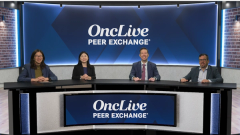
Optimizing Induction Chemoimmunotherapy and Supportive Care in ES-SCLC
This segment focuses on first-line induction therapy for extensive-stage small cell lung cancer. Panelists explain why carboplatin plus etoposide remains the preferred chemotherapy backbone for most patients alongside a PD-L1 inhibitor.
Advertisement
Episodes in this series
This segment focuses on first-line induction therapy for extensive-stage small cell lung cancer. Panelists explain why carboplatin plus etoposide remains the preferred chemotherapy backbone for most patients alongside a PD-L1 inhibitor. They reserve cisplatin for select younger, very fit individuals with strong renal function. They discuss the standard number of induction cycles, the rare circumstances in which they might extend therapy, and the practical realities of dose delays driven by neutropenia, nausea, and fatigue. Supportive care strategies are reviewed, including growth factor support and trilaciclib for myelopreservation, with attention to how institutional formularies shape access and how anemia can compound treatment-related fatigue. The faculty then examine consolidative thoracic radiation and explain why recent data have moved it away from routine use, noting an ongoing trial designed to clarify its role. The segment closes by exploring why maintenance therapy matters in a disease marked by high initial response rates followed by rapid relapse.
Advertisement
Related to this article

Pooled phase 1/2 data support 10 mg/kg every 3 weeks as the provisional pivotal dose of the PD-1/VEGF bispecific antibody cesalatamig in previously treated NSCLC.
A dual antigen–targeted T-cell engager doublet produced durable PSA responses in late-line metastatic castration-resistant prostate cancer.

Invikafusp alfa plus sacituzumab govitecan produced responses and disease control in metastatic TNBC and HR-positive/HER2-negative breast cancer.

The top 5 OncLive TV videos of the week cover insights in NSCLC, gynecologic cancers, CRC, multiple myeloma, and NMIBC.
A post hoc analysis of SPEARHEAD-1 found that MAGE-A4 H-score was independently tied to response and progression-free survival, whereas baseline tumor burden was tied to overall survival.
The IL-12–expressing self-replicating mRNA STX-001 showed a favorable therapeutic window at 100 µg, with regression in both injected and non-injected lesions.
Most of the survival time accrued with RP1 plus nivolumab in the IGNYTE trial was spent in good health among patients with advanced melanoma after anti–PD-1 therapy.
VET3-TGI produced responses in injected and non-injected lesions without dose-limiting toxicities in the phase 1/1b STEALTH-001 trial.
Advertisement
Advertisement
Trending on OncLive
1
JNJ-87189401 Plus Pasritamig Drives Deep PSA Responses With Favorable Safety in Pretreated mCRPC
2
Invikafusp Alfa Plus Sacituzumab Govitecan Generates Responses in Metastatic TNBC and HR+/HER2– Breast Cancer
3
Dr Moser on Outcomes for WTX-124 ± Pembrolizumab in Advanced Immune-Sensitive Solid Tumors
4
Cesalatamig Monotherapy Shows Dose-Dependent Activity in PD-(L)1 Inhibitor–Experienced NSCLC
5