The use of the allogeneic immunotherapy Orca-T following reduced intensity conditioning (RIC) led to robust myeloid and T-cell engraftment, along with low rates of acute graft-vs-host disease (GVHD) and moderate-to-severe chronic GVHD, in patients with hematologic malignancies, according to data from a phase 1 trial (NCT05088356).1
Orca-T With RIC in Hematologic Malignancies
- Orca-T after RIC was safe and feasible in patients with hematologic malignancies.
- No primary graft failure or loss was reported.
- Grade 2 to 4 acute and late-onset GVHD occurred in 12.3% (95% CI, 5%-23%) of patients, with no grade 3 or 4 acute GVHD events reported. Moderate-to-severe GVHD occurred in 9.6% (95% CI, 3%-21%) of patients.
Findings presented at the 2025 ASH Annual Meeting and Exposition showed that no patients (n = 53) experienced primary graft failure or loss. Grade 2 to 4 acute and late-onset GVHD occurred at a rate of 12.3% (95% CI, 5%-23%). Notably, no grade 3 or 4 acute GVHD events were reported, and all patients with acute GVHD responded to systemic steroids. Any-grade chronic GVHD occurred in 27% (95% CI, 14%-42%) of patients; however, moderate-to-severe GVHD was reported in 9.6% (95% CI, 3%-21%).
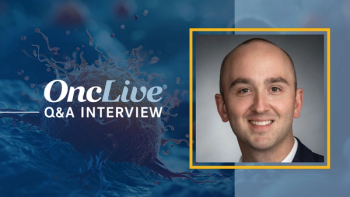
“Orca-T is safe and feasible to be used in the RIC allogeneic hematopoietic stem cell transplant [allo-HCT] setting, where we observed robust myeloid and T-cell engraftment despite early T-cell mixed chimerism,” lead study author Alejandro Villar-Prados, MD, PhD, said in a presentation of the data.
Villar-Prados is a resident in the Translational Investigator Program at Stanford Medicine in California.
What was the rationale of the phase 1 trial evaluating Orca-T with RIC?
The FDA is currently reviewing a biologics license application (BLA) seeking the approval of Orca-T for the treatment of select patients with hematologic malignancies, including acute myeloid leukemia (AML), acute lymphoblastic leukemia (ALL), and myelodysplastic syndromes (MDS).2 The BLA, which received priority review, was based on data from the phase 3 Precision-T trial (NCT04013685), which showed that Orca-T generated a statistically significant improvement in moderate-to-severe chronic GVHD–free survival compared with conventional allo-HCT.
The phase 1 trial sought to evaluate the use of Orca-T in the context of RIC.1 The study included patients 18 to 75 years of age with high-risk acute leukemia who were in first complete remission (CR1), were beyond CR1, or had minimal residual disease (MRD) positivity; those with chronic myelogenous leukemia in accelerated, blast, or second chronic phase; and those with MDS or myeloproliferative neoplasms (MPNs).
Enrolled patients underwent RIC from days –7 to –2. They then received infusion of hematopoietic stem and progenitor cells, plus regulatory T cells (Tregs), at 3 x 10⁶ Tregs/kg on day 0; conventional T cells at 3 x 10⁶ on day 2; and tacrolimus at 5 to 10 ng/mL on day 3. Patients with mismatched donors were also given ruxolitinib (Jakafi) at 5 mg twice per day or mycophenolate mofetil at 1000 mg twice per day on day 4.
For patients with 8/8 HLA matched donors, conditioning regimens comprised fludarabine at 160 mg/m2, melphalan at 50 mg/m2, and total body irradiation (TBI) at 4 Gy, plus tacrolimus as GVHD prophylaxis (n = 11); fludarabine at 160 mg/m2, thiotepa at 10 mg/kg, and TBI at 4 Gy, plus tacrolimus as GVHD prophylaxis (n = 12); and fludarabine at 160 mg/m2, thiotepa at 5 mg/kg, and TBI at 3 Gy, plus tacrolimus as GVHD prophylaxis (n = 23). In the final group, outpatient administration per physician discretion was given to 6 patients.
For patients with 7/8 HLA matched donors, conditioning regimens were fludarabine at 160 mg/m2, thiotepa at 10 mg/kg, and TBI at 4 Gy, plus tacrolimus and mycophenolate mofetil as GVHD prophylaxis (n = 2); or fludarabine at 160 mg/m2, thiotepa at 5 mg/kg, and TBI at 3 Gy, plus tacrolimus in combination with mycophenolate mofetil or ruxolitinib as GVHD prophylaxis (n = 5).
The study’s primary end points were engraftment time and donor chimerism by day 60; and the incidence of grade 3/4 acute GVHD. Secondary end points comprised GVHD- and relapse-free survival (GRFS) after allo-HCT, overall survival (OS) after allo-HCT, and the incidence and severity of acute/chronic GVHD.
The median follow-up time for the overall population was 16.7 months. Patients had a median age of 68 years (range, 60-75), and most patients were male (62%) and While (79%). The median Karnofsky performance status was 80 (range, 70-100), and the median HCT comorbidity index was 1 (range, 0-6). Malignancy subtypes included AML (58%), MDS (30%), ALL (4%), mixed phenotype leukemia (2%), and MPNs (6%). Notably, 75% of patients were in CR prior to transplant.
For patients with AML, 2022 European Leukemia Network risk stratifications included favorable risk (19%), intermediate risk (39%), and adverse risk (42%). Sixty-five percent of patients with AML had MRD-positive disease. For those with MDS, risk stratification per Revised International Prognostic Staging System criteria included very high risk (13%), high risk (31%), and intermediate risk (56%).
Thirty-one percent of patients had matched related donors, 62% had matched unrelated donors, and 13% had mismatched donors.
What other data were reported at ASH 2025?
Findings also showed that the cumulative incidence of grade 2 to 3 infections was 32% (95% CI, 20%-44%); however, the rate of grade 3 infections was 6% (95% CI, 1.5%-14%).
Relapses occurred in 8.1% (95% CI, 3%-18%) of patients, including 3 patients with AML and 2 patients with MDS. The non-relapse mortality rate was 10% (95% CI, 4%-20%).
The OS and GRFS rates at 1 years following transplant were 88% (95% CI, 79%-98%) and 72% (95% CI, 60%-87%), respectively. In patients who were eligible to receive the outpatient RIC regimen, the 1-year OS and GRFS rates were 95% (95% CI, 87%-100%) and 80% (95% CI, 65%-100%), respectively.
An ongoing phase 2 trial (NCT07216443) is further investigating the use of Orca-T with RIC or nonmyeloablative conditioning in patients with AML or MDS.3
Disclosures: Villar-Prados did not report any financial conflicts of interest.
References
- Villar-Prados A, Kim P, Sutherland K, et al. Allogeneic HSC and regulatory T cell (Orca-T) engineered cell therapy following reduced intensity conditioning: Results of a single center Phase 1 study. Blood. 2025;146(suppl 1):111. doi:10.1182/blood-2025-111
- Orca Bio announces FDA acceptance and priority review of the biologics license application (BLA) for Orca-T to treat hematological malignancies. News release. Orca Bio. October 6, 2025. Accessed December 22, 2025. https://orcabio.com/orca-bio-announces-fda-acceptance-and-priority-review-of-the-biologics-license-application-bla-for-orca-t-to-treat-hematological-malignancies/
- Trial of Orca-T following reduced intensity or nonmyeloablative conditioning in patients with acute myeloid leukemia or myelodysplastic syndrome. ClinicalTrials.gov. Updated December 18, 2025. Accessed December 22, 2025. https://clinicaltrials.gov/study/NCT07216443