
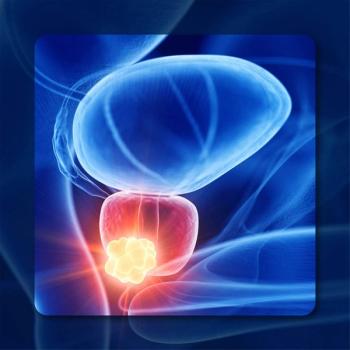
Adjuvant HRQOL outcomes improved in patients with bladder cancer living in rural areas and were worse with ADT plus radiotherapy after prostatectomy.
Adjuvant HRQOL outcomes improved in patients with bladder cancer living in rural areas and were worse with ADT plus radiotherapy after prostatectomy.

The combination of avutometinib and defactinib has previously shown activity in patients with low-grade serous ovarian cancer.

The KEYLYNK-001 trial found improved PFS among patients with advanced ovarian cancer given pembrolizumab/olaparib.

The addition of pembrolizumab to chemoradiotherapy prolonged survival and time to second progression in patients with locally advanced cervical cancer.
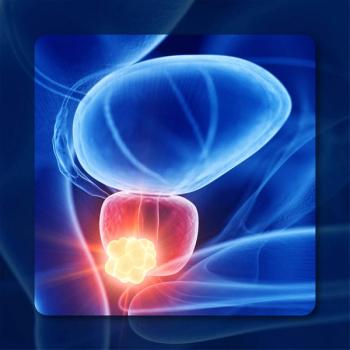
HRQOL results were evaluated in rural patients with bladder cancer and prostate cancer following ADT treatment and postoperative radiotherapy.
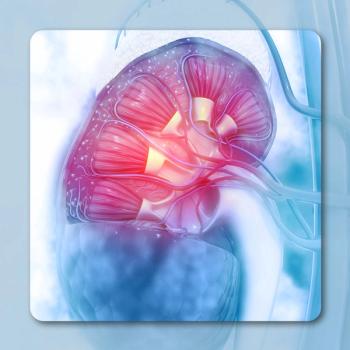
Efficacy results remained consistent with previous reports in the cabozantinib, nivolumab, and ipilimumab arm for patients with advanced renal cell carcinoma.

T-DM1 was found to be tolerable, but progression-free survival was not improved vs historical data in HER2-positive biliary tract cancer.
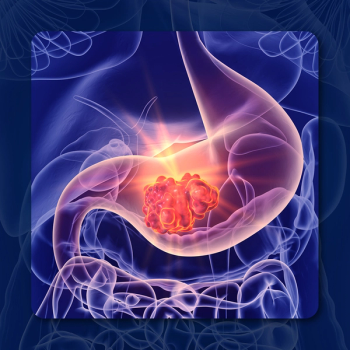
Camrelizumab plus Nab-POF was associated with high rates of conversion to R0 resection and high 3-year survival rates in gastric and GEJ adenocarcinoma.

Treatment with a single cycle of neoadjuvant pembrolizumab demonstrated a pCR rate of 44% in patients with dMMR colon cancer.

Relapse-free survival rates were not improved when chemoradiation was added to chemotherapy in resected gallbladder cancer, according to data from the ACCELERATE trial.
Pamrevlumab plus chemotherapy failed to demonstrate a survival benefit in patients with locally advanced, unresectable pancreatic cancer.

A humble mindset of the contributions he has made to genitourinary cancer care, Christopher J. Logothetis, MD, is also working to shape the next generation’s minds of medicine to improve outcomes further.

Treatment with preoperative niraparib plus dostarlimab generated responses among patients with BRCA-mutant, ER-positive, HER2-negative breast cancer
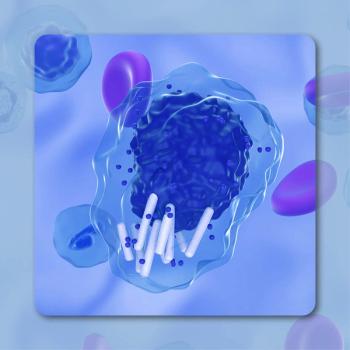
First-line pirtobrutinib plus venetoclax and obinutuzumab generated high uMRD6 remission rates among patients with chronic lymphocytic leukemia.
Nicole Lamanna, MD, highlights various clinical trials underway evaluating new treatment options for patients with chronic lymphocytic leukemia.

Patients with newly diagnosed glioblastoma had improved survival when treated with TTFields plus temozolomide and pembrolizumab.
Overall survival findings from the PERLA trial showed continued success with dostarlimab plus chemotherapy in patients with advanced non–small cell lung cancer.

Routine screening revealed high financial toxicity and unmet social needs among adolescent and young adults with cancer.

Pain management specialists are rarely consulted to help assess pain in patients with cancer, leading oncologists to often prescribe narcotics.

Neoadjuvant sotigalimab plus chemoradiotherapy is safe and feasible compared with chemoradiotherapy alone in patients with rectal cancer.

Patients with WHO grade II/III recurrent meningioma experienced clinically meaningful efficacy with 177Lutetium-Dotatate.

D-VRd induction and consolidation therapy displayed a PFS benefit vs VRd in high-risk subgroups of patients with newly diagnosed multiple myeloma.

Patients with HR-positive breast cancer who conceived during a break from endocrine therapy found breastfeeding feasible and safe.

In the NO-CUT trial, 97% of patients with pMMR locally advanced rectal cancer sustained distant relapse-free survival with nonoperative management.

Adjuvant durvalumab did not provide a disease-free survival advantage over placebo in patients with NSCLC across different PD-L1 subgroups.

Patients with EGFR-mutated NSCLC demonstrated reduced symptom progression when treated with amivantamab plus lazertinib vs osimertinib.

BAY 2927088 demonstrated durable response rates for patients with pretreated HER2-mutant non–small cell lung cancer.
The uptake of subcutaneous rituximab has lagged behind the use of the intravenous version in non-Hodgkin lymphoma.

Real-world treatment patterns demonstrated that similar OS outcomes occurred for patients with renal cell carcinoma who received TKI- and immunotherapy-based regimens.

Using an AI tool for the collection and analysis of patient data may enhance the accuracy of outcome predictions and help personalize treatment plans.