
The EA2201 trial evaluated nivolumab, ipilimumab, and short-course radiation therapy in patients with locally advanced rectal cancer.
The EA2201 trial evaluated nivolumab, ipilimumab, and short-course radiation therapy in patients with locally advanced rectal cancer.

Ide-cel induced durable responses and had a favorable risk-benefit profile in patients with functionally high-risk multiple myeloma.

Clinically meaningful activity was found across all subgroups in a posthoc subgroup analysis of patients with MCL treated with liso-cel.

Retreatment with daratumumab-based regimens led to a similar ORR vs initial daratumumab treatment in relapsed/refractory myeloma.
Long-term DFS and OS outcomes with adjuvant atezolizumab in stage II to IIIA NSCLC were consistent with prior data from the IMpower010 trial.
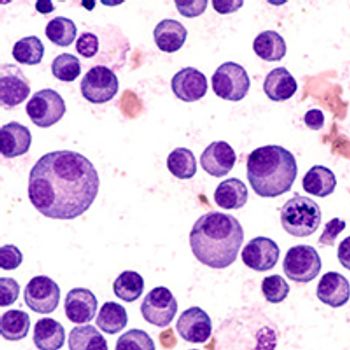
Tocilizumab plus teclistamab step-up dosing showed efficacy and a mainly mild safety profile in patients with relapsed/refractory multiple myeloma.

The combination of nivolumab and ipilimumab improved responses as well as survival outcomes in patients with ovarian or gynecologic clear cell carcinomas.

The addition of lymphadenectomy to cytoreductive surgery did not improve progression-free or overall survival in advanced ovarian cancer.

18F-PSMA-1007 PET/CT generated superior locoregional staging results vs multiparametric MRI in patients with prostate cancer.

A microRNA assay combined with CA19-9 displayed diagnostic accuracy in the early detection of pancreatic cancer.

Adjuvant atezolizumab did not provide a clinical benefit when added to chemotherapy in patients with triple-negative breast cancer.

ChatGPT may provide comprehensive and correct answers to genetic counseling questions for patients with gynecologic cancers.
The addition of pembrolizumab to chemotherapy led to a favorable overall survival benefit vs chemotherapy plus placebo in endometrial cancer.

A cream formulation of ruxolitinib was deemed safe and effective compared with placebo in patients with cutaneous graft-versus-host disease.

DKN-01/bevacizumab/chemotherapy had a tolerable safety profile and showcased clinical activity in patients with microsatellite stable colorectal cancer.

Real-world findings demonstrated a favorable survival benefit with nivolumab plus chemotherapy in advanced gastroesophageal adenocarcinoma.

Fernando Cabanillas, MD, a mentor and leader in the lymphoma field, is being recognized for his contributions to the hematologic oncology space.
Patients with high-risk large B-cell lymphoma experienced durable responses when treated with first-line axicabtagene ciloleucel, according to results from the phase 2 ZUMA-12 trial.

The use of the BCMA-directed CAR T-cell therapy D8 Fab CAR and the dual-targeting AUTO8 CAR T-cell therapy is safe and feasible in patients with relapsed/refractory multiple myeloma.

Utilizing an artificial intelligence–assisted workflow to detect sentinel lymph node metastases in patients with breast cancer was deemed safe according to current diagnostic standards and reduced the need for immunohistochemistry and its associated financial burden.

Treatment with fam-trastuzumab deruxtecan-nxki led to sustained improvements in overall survival and progression-free survival vs physician’s choice of treatment in patients with previously treated HER2-low metastatic breast cancer, irrespective of hormone receptor status.

Maintenance therapy consisting of single-agent senaparib reduced the risk of progression or death vs placebo in patients with newly diagnosed advanced ovarian cancer, irrespective of BRCA mutation status.

Treatment with teclistamab-cqyv in real-world patients with relapsed/refractory multiple myeloma elicited similar efficacy results and a comparable safety profile to findings from the phase 1/2 Majes-TEC-1 trial.
The combination of daratumumab, ixazomib, and dexamethasone produced rapid and encouraging responses rates following lenalidomide–based therapy in patients with relapsed/refractory multiple myeloma, according to findings from the final analysis of the phase 2 DARIA trial.

Patritumab deruxtecan displayed manageable safety and produced responses in heavily pretreated patients with estrogen receptor–positive or triple-negative metastatic breast cancer with varying levels of HER3 expression, according to data from a phase 2 study presented at the 2023 ASCO Annual Meeting.

Zanidatamab generated responses in patients with HER2-amplified, locally advanced, unresectable or metastatic biliary tract cancer who were previously treated with gemcitabine.

The recommended phase 2 dose of olaparib plus selumetinib generated a clinical benefit in patients with endometrial or ovarian cancer harboring RAS mutations, according to findings from the dose-expansion portion of the phase 1b SOLAR trial.
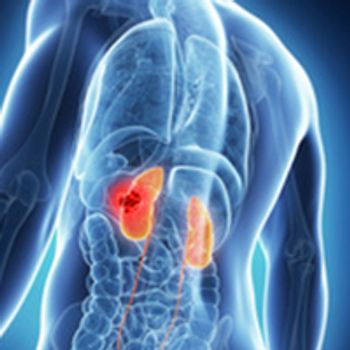
Nivolumab monotherapy, plus salvage nivolumab plus ipilimumab for progressive disease, resulted in high treatment-free survival rates in patients with previously untreated advanced clear cell renal cell carcinoma.

Clinicopathological features of HER2-low advanced gastric cancer were distinct and distinguishable from those of HER2-positive or -negative disease, according to retrospective findings from a single-institution study that were presented at the 2022 Gastrointestinal Cancers Symposium.

Tisagenlecleucel produced durable responses in patients with relapsed/refractory follicular lymphoma, including those with high-risk disease characteristics.