

The addition of the CXCL12 inhibitor NOX-A12 to standard frontline therapy with radiation and bevacizumab led to an overall survival rate of 83% at a median follow-up of 15 months in patients with glioblastoma.

Managing Editor, OncLive®
Caroline Seymour is your initial point of contact for the OncLive® podcast, OncLive On Air™. She joined the company in 2018 as an assistant editor, with expertise in video production and print/digital publication. Email: cseymour@onclive.com
The addition of the CXCL12 inhibitor NOX-A12 to standard frontline therapy with radiation and bevacizumab led to an overall survival rate of 83% at a median follow-up of 15 months in patients with glioblastoma.

The FDA has granted an orphan drug designation to VCN-01, a systemic, selective, stroma-degrading oncolytic adenovirus for the treatment of patients with pancreatic cancer.
Treatment with NKX101 led to a best composite complete response rate of 67% in patients with relapsed/refractory acute myeloid leukemia, according to updated data from a dose-expansion cohort of an ongoing phase 1 trial.

The FDA has approved the first and only iodine-based contrast agent iopromide-300, -370 injection for intra-arterial and intravenous contrast-enhanced mammography.
The FDA has granted an orphan drug designation to the orally bioavailable, reversible small molecule EGFR inhibitor ERAS-801 for the treatment of patients with malignant glioma, including glioblastoma.

Epcoritamab has been added to the National Comprehensive Cancer Network Clinical Practice Guidelines in Oncology for B-cell Lymphomas in the third- or later-line setting for the treatment of patients with diffuse large B-cell lymphoma, including patients with disease progression after transplant or CAR T-cell therapy, and as a category 2A preferred regimen for patients with histologic transformation of indolent lymphoma to DLBCL with no intention to proceed to transplant, including patients with disease progression after transplant or CAR T-cell therapy.

Fixed-duration therapy with venetoclax plus obinutuzumab led to 60% reduction in the risk of progression or death compared with chlorambucil plus obinutuzumab, with benefit seen regardless of TP53 or IGHV mutation status, in previously untreated patients with chronic lymphocytic leukemia.
Zanubrutinib plus obinutuzumab and venetoclax demonstrated lasting responses characterized by sustained progression-free survival and undetectable minimal residual disease in peripheral blood and bone marrow in previously untreated patients with chronic lymphocytic leukemia or small lymphocytic lymphoma.
The FDA has placed a hold on the clinical program for the investigational new drug CART-ddBCMA for the treatment of patients with relapsed/refractory multiple myeloma.

The addition of ibrutinib to bendamustine plus rituximab or R-CHOP did not lead to a statistically significant improvement in progression-free survival vs either chemoimmunotherapy regimen alone in patients with relapsed/refractory follicular lymphoma or marginal zone lymphoma.

The European Medicines Agency has validated and accepted a marketing authorization application for priority review for fruquintinib for the treatment of adult patients with pretreated metastatic colorectal cancer.

Treatment with the JAK2 inhibitor pacritinib demonstrated comparable improvements in spleen and symptom response regardless of baseline platelet counts and hemoglobin levels, according to findings from the pivotal phase 3 PERSIST-1 and PERSIST-2 trials.

Treatment with duvelisib led to a high response rate in patients with peripheral T-cell lymphoma, with activity favoring patients with PTCL not otherwise specified and angioimmunoblastic T-cell lymphoma.
The FDA has approved a 505(b)(2) new drug application for Pemrydi RTU, the first and only ready-to-use presentation of pemetrexed or injection that does not require reconstitution, dilution, or refrigeration

The FDA has granted priority and standard review designations to the biologics license applications for exagamglogene autotemcel for the treatment of patients with sickle cell disease and transfusion-dependent beta thalassemia, respectively, marking the first CRISPR gene editing filings to be accepted for review by the FDA.
The FDA has accepted and granted priority review designation to the new drug application for the combination of capivasertib and fulvestrant for the treatment of patients with hormone receptor–positive, HER2-negative, locally advanced or metastatic breast cancer following recurrence or progression on or after endocrine-based therapy.

Rusfertide demonstrated freedom from phlebotomy, sustained hematocrit control, and 12-week treatment completion in 69.2% vs 18.5% of patients with phlebotomy-dependent polycythemia vera who received placebo, meeting the primary end point of the phase 2 REVIVE trial.

Treatment with pelabresib monotherapy led to a 60% confirmed complete or partial hematologic response at any time without incurring grade 4 or 5 treatment-related adverse effects in patients with high-risk essential thrombocythemia refractory or intolerant to hydroxyurea.

Acalabrutinib and zanubrutinib demonstrated similar investigator-assessed progression-free survival in patients with relapsed/refractory chronic lymphocytic leukemia.

Treatment with lisocabtagene maraleucel elicited encouraging responses regardless of prior progression on BTK inhibition or absence of clinical benefit with venetoclax in patients with relapsed/refractory chronic lymphocytic leukemia/small lymphocytic lymphoma, meeting the primary end point of the phase 1/2 TRANSCEND CLL 004 trial.

The combination of mRNA-4157 and pembrolizumab reduced the risk of developing distant metastasis or death by approximately 65% compared with pembrolizumab alone as adjuvant therapy in patients with resected melanoma at high risk of recurrence, according to findings from the phase 2 KEYNOTE-942 trial.

OncLive® will be LIVE with OncLive® News Network: On Location at the 2023 ASCO Annual Meeting. Each day, we will broadcast a series of interviews with top thought leaders, to learn their thoughts and reactions to data presented across hematologic oncology during the conference.

The addition of sintilimab to chemoradiotherapy demonstrated a significant reduction in the risk of disease recurrence or death, distant metastasis and locoregional recurrence compared with chemoradiotherapy alone as frontline therapy in patients with locally advanced nasopharyngeal carcinoma, according to findings from the phase 3 CONTINUUM trial.
Nivolumab plus ipilimumab and chemotherapy continued to show durable benefit at 4 years compared with chemotherapy alone as first-line therapy in patients with advanced non–small cell lung cancer, particularly in the PD-L1–negative and squamous populations.
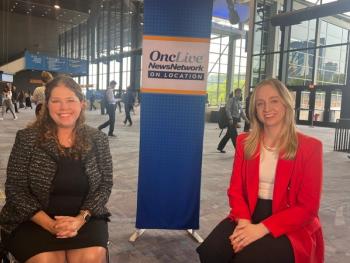
OncLive® will be LIVE with OncLive® News Network: On Location at the 2023 ASCO Annual Meeting. Each day, we will broadcast a series of interviews with top thought leaders, to learn their thoughts and reactions to data presented across hematologic oncology during the conference.

Treatment with tovorafenib elicited encouraging and fast onset responses in heavily pretreated pediatric patients with low-grade glioma regardless of response assessment criteria, according to data from the phase 2 FIREFLY-1 trial that were presented at the 2023 ASCO Annual Meeting.

OncLive® will be LIVE with OncLive® News Network: On Location at the 2023 ASCO Annual Meeting. Each day, we will broadcast a series of interviews with top thought leaders, to learn their thoughts and reactions to data presented across oncology during the conference.

Talquetamab plus daratumumab displayed high response rates regardless of 0.4 mg/kg or 0.8 mg/kg dosing in combination with daratumumab in patients with heavily pretreated relapsed/refractory multiple myeloma, irrespective of prior treatment with CD38-directed therapy and T-cell redirection therapy.

Higher baseline HER3-positive circulating tumor cell count at baseline and reduction following treatment initiation was associated with a higher likelihood of deriving an early response with patritumab deruxtecan in patients with hormone receptor–positive or HER2-low advanced breast cancer.
The FDA has granted priority review to repotrectinib for the treatment of patients with ROS1-positive locally advanced or metastatic non–small cell lung cancer.