

Treatment with the first-in-class radioenhancer NBTXR3 proved tolerable and effective in older patients with advanced head and neck squamous cell carcinoma and a comorbidity index.

Managing Editor, OncLive®
Caroline Seymour is your initial point of contact for the OncLive® podcast, OncLive On Air™. She joined the company in 2018 as an assistant editor, with expertise in video production and print/digital publication. Email: cseymour@onclive.com
Treatment with the first-in-class radioenhancer NBTXR3 proved tolerable and effective in older patients with advanced head and neck squamous cell carcinoma and a comorbidity index.

Pembrolizumab as adjuvant therapy led to a statistically significant and clinically meaningful improvement in disease-free survival compared with observation in patients with localized muscle invasive urothelial cancer and locally advanced urothelial cancer.

The European Commission has granted marketing authorization for Enrylaze for use as a component of a multi-agent chemotherapeutic regimen for the treatment of patients with acute lymphoblastic leukemia and lymphoblastic lymphoma in adult and pediatric patients 1 month and older who developed hypersensitivity or silent inactivation to E. coli–derived asparaginase.

The FDA has granted orphan drug designation to the next generation BCMA-directed CAR T-cell therapy NXC-201 for the treatment of patients with amyloid light chain amyloidosis.

The European Commission has approved elacestrant for the treatment of postmenopausal women and men with estrogen receptor–positive, HER2-negative, locally advanced, or metastatic breast cancer with an activating ESR1 mutation who have disease progression following at least 1 line of endocrine therapy including a CDK4/6 inhibitor.

The Committee for Medicinal Products for Human Use has recommended the approval of quizartinib in the European Union for use in combination with standard cytarabine and anthracycline induction and cytarabine consolidation chemotherapy, followed by maintenance quizartinib, for adult patients with newly diagnosed, FLT3-ITD–positive acute myeloid leukemia.
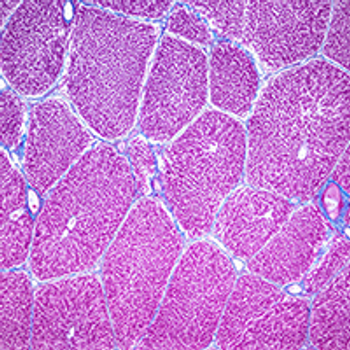
Tissue- and blood-based molecular analysis could help match patients with advanced hepatocellular carcinoma or hepatocholangiocarcinoma following disease progression on frontline atezolizumab and bevacizumab to targeted therapy or another TKI based on identified genomic alterations.

The National Institute for Health and Care Excellence has published its Final Draft Guidance recommending the use of ruxolitinib as treatment for eligible patients in England and Wales with polycythemia vera that is resistant or intolerant to hydroxycarbamide/hydroxyurea.

The Safety Monitoring Committee determined that prespecified criteria for pathologic complete response were met with the use of the PD-1 inhibitor tislelizumab alone or in combination with APL-1202 as neoadjuvant therapy in patients with muscle invasive bladder cancer.
The FDA has granted fast track designation to the first-in-class innate cell engager AFM13 plus AlloNK for the treatment of patients with relapsed/refractory Hodgkin lymphoma.

Zongertinib will proceed to phase 1b evaluation at doses of 120 mg and 240 mg once daily in patients with HER2–mutant non–small cell lung cancer following preliminary efficacy signals and acceptable safety in patients with advanced HER2–mutant solid tumors enrolled in the dose-escalation portion of the phase 1a/b BEAMION Lung-1 trial.

Treatment with at least 90 μg/kg of the novel DLLC-targeting T-cell–engager BI 764532 was well tolerated and led to tumor shrinkage in patients with small cell lung cancer and neuroendocrine carcinoma.
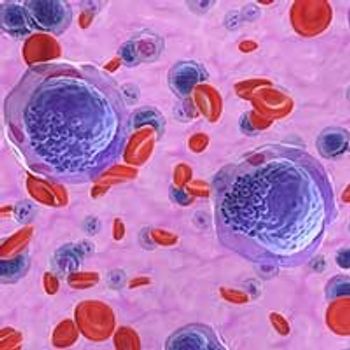
Loncastuximab tesirine-lpyl plus rituximab demonstrated promising antitumor activity and consistent safety signals in patients with relapsed/refractory diffuse large B-cell lymphoma.

No difference in relapse-free survival or non–relapse mortality was seen with intensive vs non-intensive consolidation chemotherapy regimens prior to allogeneic hematopoietic stem cell transplantation in elderly patients over the age of 60 with acute myeloid leukemia in first complete remission.
Amivantamab-vmjw plus carboplatin and pemetrexed, administered with or without lazertinib, significantly improved progression-free survival vs chemotherapy alone in patients with locally advanced or metastatic non–small cell lung cancer with EGFR exon 19 deletions or L858R substitutions after progression on or after osimertinib.

Emerging data continue to shape perioperative therapy decisions for patients with early-stage non–small cell lung cancer.

The FDA has granted 2 breakthrough therapy designations to trastuzumab deruxtecan for the treatment of patients with unresectable or metastatic HER2-positive solid tumors that have progressed after prior treatment and who have no satisfactory alternative treatment options, and for those with HER2-positive metastatic colorectal cancer who have received at least 2 prior lines of therapy.

The FDA and Eagle Pharmaceuticals have agreed on the next steps for the development of EA-114, an estrogen receptor antagonist and novel formulation of fulvestrant used in the treatment of postmenopausal women with breast cancer.

The European Commission has approved pembrolizumab for use in combination with trastuzumab, fluoropyrimidine- and platinum-containing chemotherapy for the first-line treatment of adult patients with locally advanced unresectable or metastatic, HER2-positive gastric or gastroesophageal junction adenocarcinoma whose tumors express PD-L1 with a combined positive score of at least 1.
The addition of tumor treating fields to paclitaxel did not result in a statistically significant improvement in overall survival vs paclitaxel alone in patients with platinum-resistant ovarian cancer, failing to meet the primary end point of the phase 3 ENGOT-ov50/GOG-3029/INNOVATE-3 trial.

The combination of pembrolizumab and lenvatinib demonstrated a statistically significant improvement in progression-free survival and objective response rate but failed to improve overall survival compared with pembrolizumab plus placebo as frontline therapy for patients with recurrent or metastatic head and neck squamous cell carcinoma.

Interim data from the phase 3 CABINET trial demonstrated significant improvement in progression-free survival with cabozantinib vs placebo in patients with advanced pancreatic or extra-pancreatic neuroendocrine tumors following progression on prior systemic therapy.

The Japanese Ministry of Health, Labour, and Welfare has approved the combination of olaparib plus abiraterone acetate and prednisone or prednisolone for the treatment of adult patients with BRCA-mutated castration-resistant prostate cancer with distant metastasis.

The addition of the investigational anti-TIGIT immunotherapy tiragolumab to atezolizumab demonstrated a numerical but not statistically significant improvement in overall survival vs atezolizumab alone as frontline therapy for patients with PD-L1–high, locally advanced or metastatic non–small cell lung cancer.

Second-line treatment with GNOS-PV02 plus plasmid-encoded interleukin-12 followed by electroporation elicited complete molecular response detected via circulating tumor DNA in 4 additional patients with advanced hepatocellular carcinoma enrolled in the phase 1b/2a GT-30 study.
The FDA has placed another partial clinical hold on the enrollment of new patients in United States clinical trials evaluating the potential first-in-class investigational anti-CD47 immunotherapy magrolimab for the treatment of acute myeloid leukemia.

The combination of cabozantinib and atezolizumab led to a statistically significant improvement in progression-free survival compared with a second novel hormonal therapy in patients with metastatic castration-resistant prostate cancer and measurable soft tissue disease following 1 prior novel hormonal therapy, meeting one of the primary end points in the primary analysis of the phase 3 CONTACT-02 trial.

TNB-486 demonstrated sustained antitumor activity in all but 1 patient with relapsed/refractory follicular lymphoma, regardless of CD20 status, as well as number and type of prior therapy.

Treatment with belzutifan demonstrated a statistically significant and clinically meaningful improvement in progression-free survivalcompared with everolimus in patients with advanced renal cell carcinoma that has progressed on prior PD-1/PD-L1 and VEGF inhibitors, in sequence or in combination.

The addition of quizartinib to standard induction and consolidation chemotherapy with idarubicin plus cytarabine followed by maintenance therapy led to an improvement in event-free survival compared with placebo plus chemotherapy in patients with FLT3-ITD wild-type acute myeloid leukemia.