

Maintenance with GRANITE plus fluoropyrimidine, bevacizumab, and checkpoint inhibitors improved PFS vs fluoropyrimidine plus bevacizumab alone in MSS mCRC.

Managing Editor, OncLive®
Caroline Seymour is your initial point of contact for the OncLive® podcast, OncLive On Air™. She joined the company in 2018 as an assistant editor, with expertise in video production and print/digital publication. Email: cseymour@onclive.com
Maintenance with GRANITE plus fluoropyrimidine, bevacizumab, and checkpoint inhibitors improved PFS vs fluoropyrimidine plus bevacizumab alone in MSS mCRC.

The GPRC5D-targeted CAR T-cell therapy BMS-986393 led to an objective response rate of 96% in patients with relapsed/refractory multiple myeloma.
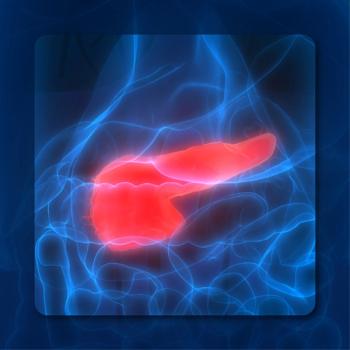
MesoPher cell therapy led to a 2-year recurrence-free survival rate of 64% and low-grade AEs in resected pancreatic cancer following chemotherapy.

The combination of favezelimab and pembrolizumab failed to improve OS vs regorafenib or TAS-102 in pretreated patients with PD-L1–positive, MSS mCRC.
The novel oral HIF2α inhibitor NKT2152 elicited encouraging responses in patients with previously treated advanced clear cell renal cell carcinoma.
The FDA approved adjuvant ribociclib plus an aromatase inhibitor in patients with HR-positive, HER2-negative early breast cancer.

Tislelizumab has been approved by the Israeli Ministry of Health for pretreated patients with unresectable or metastatic esophageal squamous cell carcinoma.
Ramucirumab plus trifluridine/tipiracil failed to improve overall survival vs TAS-102 alone in patients with heavily pretreated metastatic colorectal cancer.

Response predictive subtype–guided treatment identified patient cohorts with breast cancer that were more likely to achieve pCR with Dato-DXd plus durvalumab.
Belzutifan improved PFS and ORR but failed to deliver a significant improvement in OS vs everolimus in pretreated advanced clear cell renal cell carcinoma.
The FDA has granted orphan drug designation to the novel GSK-3β inhibitor elraglusib for the treatment of patients with soft tissue sarcoma.

For more first-hand insights, head over to our YouTube channel to watch Dr Markman discuss the effects of information overload in oncology: https://rb.gy/bvumdn.
Ivonescimab produced a significant improvement in PFS vs pembrolizumab as frontline therapy in patients with PD-L1–positive advanced NSCLC.
The NCCN Clinical Practice Guidelines in Oncology now list denileukin diftitox as an appropriate option for patients with cutaneous T-cell lymphoma.

Peter Abdelmessieh, DO, MSC, discusses the phase 1 trial testing the combination of talazoparib and pacritinib in myeloproliferative neoplasms.
For more first-hand insights, head over to our YouTube channel to watch Dr Markman discuss the effects of information overload in oncology: https://rb.gy/bvumdn.
Priority review was granted to the NDA seeking approval of mirdametinib in patients with neurofibromatosis type 1–associated plexiform neurofibromas.
BGB-16673 has received FDA fast track designation for relapsed or refractory CLL or SLL following 2 or more prior lines of therapy.

Tafasitamab plus lenalidomide and rituximab improved progression-free survival vs lenalidomide and rituximab in patients with relapsed/refractory follicular lymphoma.
The FDA has approved neoadjuvant durvalumab plus chemotherapy, followed by adjuvant durvalumab, for select resectable non–small cell lung cancer.

Head over to our YouTube channel to watch Dr Markman discuss the effects of information overload in oncology: https://rb.gy/bvumdn.
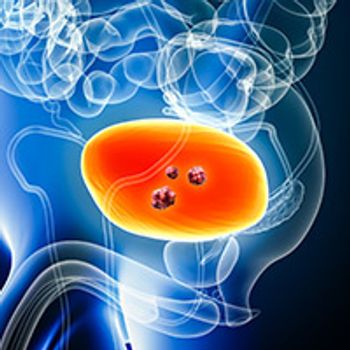
The Nectin-4–directed antibody-drug conjugate 9MW2821 has received breakthrough therapy designation in China for pretreated, advanced urothelial carcinoma.
UV1 plus pembrolizumab did not improve progression-free survival or overall survival in patients with metastatic or recurrent head and neck cancer.

The FDA is requiring an additional trial demonstrating an OS benefit with Iomab-B to support the planned filing of the biologics license application for the agent.

A tumor-informed ctDNA assay showed high sensitivity and specificity as well as potential for ctDNA to be used as a prognostic biomarker during surveillance in Merkel cell carcinoma.

Soquelitinib has received fast track designation from the FDA for patients with relapsed or refractory peripheral T-cell lymphoma after at least 2 lines of systemic therapy.
VCN-01 has received rare pediatric drug designation from the FDA for patients with retinoblastoma.
Circulating tumor cells and circulating extracellular vesicles should be integrated into liquid biopsy assays to improve their utility in oncology.
Should the FDA require that new trial design proposals for perioperative regimens for resectable NSCLC include adequate within trial assessment?

Circulating tumor DNA is in constant flux, rendering its evaluation potentially useful in metastatic breast cancer management.