
The FDA has granted traditional approval to daratumumab and hyaluronidase-fihj with bortezomib, cyclophosphamide, and dexamethasone for newly diagnosed light chain amyloidosis.

Managing Editor, OncLive®
Caroline Seymour is your initial point of contact for the OncLive® podcast, OncLive On Air™. She joined the company in 2018 as an assistant editor, with expertise in video production and print/digital publication. Email: cseymour@onclive.com
The FDA has granted traditional approval to daratumumab and hyaluronidase-fihj with bortezomib, cyclophosphamide, and dexamethasone for newly diagnosed light chain amyloidosis.

AVZO-1418/DB-1418 has received fast track designation from the FDA for patients with advanced, EGFR-mutant NSCLC following prior therapy with an EGFR TKI.
Jennifer Chan, MD, MPH, discusses dose escalation and interval shortening with somatostatin analogs for GEP-NETs and how SORENTO may shape treatment.

Ivonescimab plus chemotherapy has received breakthrough therapy designation as first-line therapy in patients with triple-negative breast cancer.

Seven provinces have agreed to reimburse cemiplimab for the treatment of patients with advanced non–small cell lung cancer and basal cell carcinoma.
TACE plus pembrolizumab and lenvatinib did not improve OS vs TACE alone in patients with unresectable HCC.

Zenocutuzumab has received BTD from the FDA for patients with advanced unresectable or metastatic cholangiocarcinoma harboring an NRG1 gene fusion.

First-line cadonilimab plus chemotherapy demonstrated long-term efficacy benefits vs chemotherapy alone in patients with advanced gastric or GEJ adenocarcinoma.

EIK1001 plus pembrolizumab and chemo showed a 64% ORR and manageable safety in first-line stage IV NSCLC, per phase 2 TeLuRide-005 data.

Neoadjuvant nivolumab plus ipilimumab proved superior to adjuvant nivolumab alone with longer follow-up data from the NADINA trial in stage III melanoma.
Tislelizumab plus induction chemotherapy and concurrent chemoradiation demonstrated efficacy worthy of further study in locally advanced ESCC.

Zipalertinib demonstrated preliminary efficacy and low rates of treatment-related dose reductions and discontinuations in NSCLC harboring EGFR mutations and CNS metastases and/or leptomeningeal disease.
Invikafusp alfa demonstrated early signals of antitumor activity across a range of biomarker-enriched patients with solid tumors.
BNT111 plus cemiplimab achieved an 18.1% ORR in PD-(L)1–refractory melanoma, meeting its primary end point in the phase 2 BNT111-01 trial.

Datopotamab deruxtecan plus rilvegostomig was active in cisplatin-ineligible and platinum-pretreated locally advanced or metastatic urothelial cancer.
First-line treatment with lenvatinib, pembrolizumab, and chemotherapy did not improve OS vs chemoimmunotherapy in patients with advanced ESCC.
Izalontamab brengitecan showed signals of activity in patients with pretreated locally advanced or metastatic urothelial carcinoma.
Combining tucatinib with trastuzumab and pertuzumab improved PFS as first-line maintenance in patients with HER2-positive metastatic breast cancer.
J. Thaddeus Beck, MD, FACP, discusses the FDA approval of subcutaneous pembrolizumab in solid tumors.
The regulatory agency has granted orphan drug designation to cintredekin besudotox for the treatment of patients with glioblastoma.
Lorlatinib has received NICE’s recommendation for untreated advanced non–small cell lung cancer.
The addition of the PD-1 inhibitor to platinum-based chemotherapy demonstrated proof of concept for the use of chemoimmunotherapy in patients with PSCC.
Katie Goodman, RN, BSN, discusses the ways in which artificial intelligence can help speed up the pace of clinical trial accrual
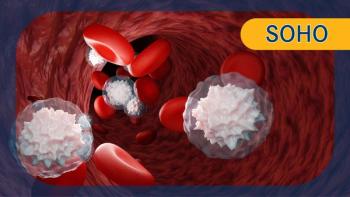
Acute GVHD was shown to be a risk factor for chronic GVHD, but factors such as organ involvement showed no correlation with long-term outcomes.

Brian P. Mulherin, MD, discusses how artificial intelligence is helping shape smarter cancer care.

Lalan Wilfong, MD, discusses the patient- and provider-facing implications that may result from renewed focus on improving care navigation in oncology.

Doug Flora, MD, FACC, LSSBB, explains how AI is transforming cancer care, urging oncologists to engage and guide its responsible use.

Alnodesertib has received fast track designation from the FDA for patients with ATM-negative metastatic colorectal cancer.
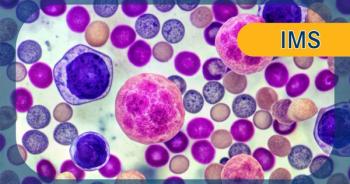
The addition of belantamab mafodotin to standard-of-care VRd proved feasible as frontline therapy in newly diagnosed multiple myeloma.
Retifanlimab is the first and only immunotherapy agent to receive an indication for the frontline treatment of patients with advanced SCAC.