

Orca-T led to lower rates of EBV and CMV reactivation vs CD34 engraftment in patients with select hematologic malignancies.

Managing Editor, OncLive®
Caroline Seymour is your initial point of contact for the OncLive® podcast, OncLive On Air™. She joined the company in 2018 as an assistant editor, with expertise in video production and print/digital publication. Email: cseymour@onclive.com
Orca-T led to lower rates of EBV and CMV reactivation vs CD34 engraftment in patients with select hematologic malignancies.

Improved PFS was associated with at least a 25% reduction in tumor burden before treatment with cilta-cel in patients with relapsed/refractory multiple myeloma.

Pediatric patients with TRK fusion–positive sarcomas may be able to safely discontinue larotrectinib and resume treatment if needed without sacrificing response.

The day-29 ORR and CR rate was not met with frontline itolizumab vs placebo in patients with acute graft-vs-host disease enrolled in the phase 3 EQUATOR trial.
Bexobrutideg received orphan drug designation from the FDA for the treatment of patients with Waldenström macroglobulinemia.

Pamiparib plus surufatinib showed signals of activity with a largely hematologic adverse effect profile in patients with PARP-pretreated, platinum-resistant ovarian cancer.

Frontline maintenance with niraparib and bevacizumab showed efficacy and safety profiles that are in line with similar regimens in advanced ovarian cancer.

Cadonilimab plus lenvatinib showed promise as therapy for patients with advanced endometrial cancer and disease progression on prior platinum therapy.

177Lu rhPSMA-10.1 injection led to proportionally higher absorbed radiation doses in tumors vs healthy tissues in patients with mCRPC.

Frontline treatment with datopotamab deruxtecan plus durvalumab with/without carboplatin proved active in advanced NSCLC without actionable alterations.

PFS was extended with elacestrant vs SOC in pretreated, ER-positive, HER2-negative breast cancer, regardless of the level of ESR1 variant allele fraction.

NOMA has approved the PET imaging agent for the identification of PSMA-positive lesions in patients with prostate cancer.
PYX-201 has received fast track designation from the FDA for patients with recurrent or metastatic HNSCC following progression with chemoimmunotherapy.

Non-myeloablative HSCT with TLI/TBI/ATG conditioning was safe and active in eliciting immune quiescence and tolerance.

Orca-T improved OS vs post-transplant cyclophosphamide in a retrospective analysis of patients with hematologic malignancies.
A low composite gene expression score was associated with improved outcomes in patients with mCRPC who received bavdegalutamide.

The UK Medicines and Healthcare Products Regulatory Agency has approved the kit for the preparation of gallium-68 gozetotide injection.
CUSP06 received fast track designation from the FDA for patients with platinum-resistant ovarian cancer.

The combination of seclidemstat and azacitidine will resume study in a phase 1/2 trial in patients with MDS and CMML following a partial clinical hold.

177Lu-edotreotide prolonged PFS vs everolimus in patients with inoperable, progressive, grade 1 or 2 gastroenteropancreatic neuroendocrine tumors.

Although 83.7% of treatment decisions remained unchanged, findings from Signatera influenced adjuvant chemotherapy usage in 16.3% of cases for stage II/III CRC.
Certepetide plus gemcitabine and nab-paclitaxel showed antitumor activity despite failing to improve PFS vs chemotherapy alone in untreated metastatic pancreatic cancer.

OS was not improved with pembrolizumab plus lenvatinib and chemotherapy vs chemotherapy alone in advanced HER2-negative gastroesophageal adenocarcinoma.

Tislelizumab plus irinotecan, paclitaxel, oxaliplatin, and 5-FU/leucovorin showcased encouraging efficacy and manageable safety in gastric/GEJ cancer.
Tagitanlimab received marketing authorization from the Chinese NMPA for use with cisplatin and gemcitabine for patients with recurrent or metastatic NPC.
Adjuvant therapy with cemiplimab improved DFS vs placebo in patients with high-risk cutaneous squamous cell carcinoma after surgery.

Subcutaneous isatuximab plus Pd led to a noninferior ORR and observed concentration before dosing at steady state vs IV isatuximab plus Pd in RRMM.
Durvalumab plus vaccine therapy demonstrated evidence of preliminary antitumor activity without substantial additive toxicity in BCG-unresponsive NMIBC.

Amivantamab plus lazertinib prolonged overall survival vs osimertinib as first-line therapy in locally advanced or metastatic, EGFR-mutant NSCLC.
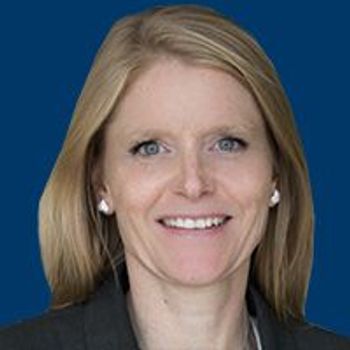
As a female leader in a competitive oncology field, Solange Peters, MD, PhD, pushed through the barriers— climbed over them—and completely transformed lung cancer care with her collaborative spirit.