Experts weigh real‑world evidence for prostate cancer drug comparisons, explaining bias risks, data quality, and how it complements trials.
Experts weigh real‑world evidence for prostate cancer drug comparisons, explaining bias risks, data quality, and how it complements trials.
Experts debate real-world evidence for prostate cancer drug comparisons, weighing trial limits, bias, and data that guides care.
Experts weigh real-world factors and ARASENS insights, comparing triplet therapy gains, toxicity, and when to pause treatment.
Experts debate real‑world factors, ARASENS triplet benefits, and when to pause prostate cancer therapy after deep PSA response.
Learn practical monitoring schedules for modern prostate cancer therapies, from early toxicity checks to long-term heart, bone and exercise care.
Learn how clinicians monitor ARPI therapy in metastatic prostate cancer—early monthly labs, then spaced visits, plus heart, bone and exercise care.
How clinicians manage comorbidities and polypharmacy, navigating drug‑drug interactions with ARPIs, statins and anticoagulants using team care.
Experts highlight cognitive decline and fall risk in older prostate cancer patients on ADT/ARPI, urging tailored drug selection and simple in-clinic screening.
Experts reveal how disease volume, symptoms, visceral spread and pathology steer androgen inhibitor choices and SBRT add-ons in mCSPC.
Clinicians weigh comorbidities and polypharmacy, checking statin and anticoagulant interactions to choose the safest ARPI hormone therapy.
Learn how disease burden, relapse history, patient preferences, cognition, and support systems guide personalized treatment intensification in mCSPC.
Tailor MCSPC treatment by weighing disease burden, timing of recurrence, patient goals, cognition, and family support before intensifying therapy.
Experts weigh PSMA PET’s impact on metastatic prostate cancer therapy, balancing doublets, triplets and de‑intensification for low‑volume disease.
Clinical trials show adding upfront therapies to ADT for metastatic hormone-sensitive prostate cancer boosts survival and quality of life, making ADT alone outdated.
Modern prostate cancer care treats survivorship as central—favoring active surveillance when appropriate and prioritizing long-term quality of life.
Explore how comorbidities and polypharmacy shape treatment choices in metastatic prostate cancer, guiding safe therapy intensification with multidisciplinary care.
This discussion explores how the rising burden of comorbidities and polypharmacy in patients with metastatic castration-sensitive prostate cancer requires clinicians to carefully balance therapy intensification with overall health status, medication interactions, and long-term safety when developing individualized treatment plans.
The discussion introduces how the treatment landscape for metastatic castration-sensitive prostate cancer has evolved, highlighting that patients are now living longer with metastatic disease and often have multiple comorbidities, making long-term tolerability and quality of life key considerations in treatment planning.
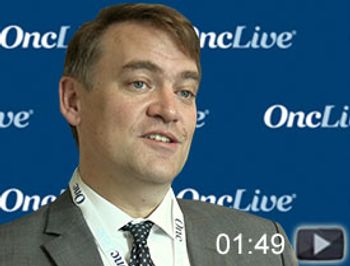
Charles J. Ryan, MD, professor of medicine and urology, Helen Diller Family Comprehensive Cancer Center, University of California, San Francisco, discusses bone-targeting agents for patients with prostate cancer.
Charles J. Ryan, MD, professor of Clinical Medicine, Urology, Helen Diller Family Comprehensive Cancer Center at the University of California, San Francisco, provides an update to the IMAAGEN trial, which explored the effects of abiraterone acetate (Zytiga) and low-dose prednisone on prostate-specific antigen and radiographic disease progression in patients with nonmetastatic castration-resistant prostate cancer
Charles J. Ryan, MD, Professor of Clinical Medicine, Urology, Helen Diller Family Comprehensive Cancer Center at the University of California, San Francisco (UCSF), discusses the effects he has seen abiraterone have in patients with metastatic castration-resistant prostate cancer (mCRPC).
Charles J. Ryan, MD, Professor of Clinical Medicine, Urology, Helen Diller Family Comprehensive Cancer Center at the University of California, San Francisco (UCSF), discusses the final analysis of COU-AA-302.
Charles Ryan, MD, discusses community oncologist prescribing preferences for patients with prostate cancer or renal cell carcinoma.
Dr. Charles Ryan from the UCSF Helen Diller Family Comprehensive Cancer Center Discusses the Unblinding of the COU-AA-302 Trial
Dr. Charles Ryan from the UCSF Helen Diller Family Comprehensive Cancer Center Discusses Neoadjuvant Abiraterone Acetate
Dr. Charles Ryan, from UCSF Helen Diller Family Comprehensive Cancer Center, Discusses Sequencing Castration-Resistant Prostate Cancer Therapies.
Dr. Charles Ryan, from the UCSF Diller Family Comprehensive Cancer Center, on the COU-AA-302 Abiraterone Acetate Interim Analysis Results.
November 1st 2017
June 11th 2012
June 18th 2012
July 11th 2012