
Opinion|Videos|May 7, 2026
Evaluating Observational and Propensity Matched Studies in Metastatic Castration Sensitive Prostate Cancer (mCSPC)
Experts weigh real‑world evidence for prostate cancer drug comparisons, explaining bias risks, data quality, and how it complements trials.
Advertisement
Episodes in this series
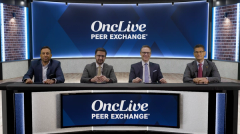
In this segment, Dr. Charles J. Ryan invites the panel to discuss how clinicians evaluate evidence from observational studies and propensity matched analyses in metastatic castration sensitive prostate cancer (mCSPC). Dr. Alan H. Bryce, Dr. Murilo De Almeida Luz, and Dr. Jayram explain that these study designs are often used when randomized clinical trial data are limited or unavailable. The panel highlights that observational and propensity matched studies can provide valuable insights into treatment outcomes, safety, and patient populations that may be underrepresented in clinical trials. At the same time, the physicians emphasize important limitations, including potential selection bias, residual confounding, and differences in baseline patient characteristics that may affect the interpretation of results. The discussion focuses on how clinicians critically evaluate these studies while recognizing their role in complementing randomized trial evidence. Overall, this segment highlights how multiple types of evidence contribute to informed clinical decision making in metastatic castration sensitive prostate cancer.
Advertisement
Related to this article

A pilot study represents a milestone toward testing a faster, more powerful, and potentially less-toxic form of radiation therapy for cancer treatment.
Oral azacitidine and cedazuridine met the end point of total cycle azacitidine exposure vs subcutaneous azacitidine in MDS or CMML.

UTRxMYCN M1-14 received orphan drug status for soft tissue sarcoma and RPDD for rhabdomyosarcoma.

Interim data showed that the BCMA-directed CAR T-cell therapy NXC-201 generated complete responses in relapsed/refractory AL amyloidosis.

Estelamari Rodriguez, MD, MPH, discusses the rationale, design, and practice implications of the phase 3 RELATIVITY-1093 trial in nonsquamous NSCLC.

Experts spotlight the variety of breast cancer research being presented at the 2026 ESMO Congress.

The third BLA submission for tabelecleucel follows 2 CRLs and includes updated ALLELE data with additional patients and longer follow-up.

A New England Journal of Medicine report describes complete hepatoblastoma regression in a 3-year-old treated with a novel immunotherapy.
Advertisement
Advertisement
Trending on OncLive
1
FDA Grants Fast Track Designation to Plinabulin Plus Docetaxel in Post-ICI Non-Squamous NSCLC
2
Breast Cancer Experts Highlight Abstracts to Watch at ESMO 2026
3
Navigating DLL3-Targeting T-Cell Engagers and the Evolving Small Cell Lung Cancer Treatment Landscape
4
FDA Approves Denosumab Biosimilar for Skeletal-Related Events, GCTB, and Hypercalcemia of Malignancy
5