
Opinion|Videos|April 23, 2026
Individualizing AR Pathway Inhibitor Selection in Metastatic Castration Sensitive Prostate Cancer (mCSPC)
Learn how clinicians monitor ARPI therapy in metastatic prostate cancer—early monthly labs, then spaced visits, plus heart, bone and exercise care.
Advertisement
Episodes in this series
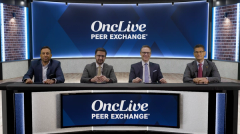
In this segment, Dr. Charles J. Ryan leads a panel discussion with Dr. Alan H. Bryce, Dr. Murilo De Almeida Luz, and Dr. Jayram on key clinical considerations that influence treatment selection when intensifying therapy for metastatic castration sensitive prostate cancer (mCSPC). The panel discusses how cardiovascular risk, metabolic complications, and steroid exposure can affect both treatment choice and long term monitoring strategies. The physicians emphasize that many patients with mCSPC have underlying comorbidities that must be carefully evaluated before initiating combination therapy. The conversation also reviews long term efficacy and safety data from clinical trials evaluating androgen receptor pathway inhibitors in metastatic hormone sensitive prostate cancer, highlighting how these findings guide real world practice. The panel underscores the importance of tailoring treatment decisions based on individual patient characteristics, including age, comorbidity burden, and functional status. Overall, the discussion illustrates how clinicians personalize therapy to balance efficacy, safety, and long term tolerability in metastatic castration sensitive prostate cancer.
Advertisement
Related to this article

A pilot study represents a milestone toward testing a faster, more powerful, and potentially less-toxic form of radiation therapy for cancer treatment.
Oral azacitidine and cedazuridine met the end point of total cycle azacitidine exposure vs subcutaneous azacitidine in MDS or CMML.

UTRxMYCN M1-14 received orphan drug status for soft tissue sarcoma and RPDD for rhabdomyosarcoma.

Interim data showed that the BCMA-directed CAR T-cell therapy NXC-201 generated complete responses in relapsed/refractory AL amyloidosis.

Estelamari Rodriguez, MD, MPH, discusses the rationale, design, and practice implications of the phase 3 RELATIVITY-1093 trial in nonsquamous NSCLC.

Experts spotlight the variety of breast cancer research being presented at the 2026 ESMO Congress.

The third BLA submission for tabelecleucel follows 2 CRLs and includes updated ALLELE data with additional patients and longer follow-up.

A New England Journal of Medicine report describes complete hepatoblastoma regression in a 3-year-old treated with a novel immunotherapy.
Advertisement
Advertisement
Trending on OncLive
1
FDA Grants Fast Track Designation to Plinabulin Plus Docetaxel in Post-ICI Non-Squamous NSCLC
2
Breast Cancer Experts Highlight Abstracts to Watch at ESMO 2026
3
Navigating DLL3-Targeting T-Cell Engagers and the Evolving Small Cell Lung Cancer Treatment Landscape
4
FDA Approves Denosumab Biosimilar for Skeletal-Related Events, GCTB, and Hypercalcemia of Malignancy
5