

Christopher L. Moertel, MD, discusses advances and ongoing research in NF1-associated plexiform neurofibromas.

Editor, OncLive
Courtney Flaherty started working for OncLive in 2022. Leveraging an educational background in the life sciences and prior experience conducting interviews in a university setting, she plays a key role in shaping social media and email strategy, covering live conferences, and producing multimedia content for both print and digital platforms. Email: [email protected]
Christopher L. Moertel, MD, discusses advances and ongoing research in NF1-associated plexiform neurofibromas.

The development of nemvaleukin in platinum-resistant ovarian cancer will be discontinued based on interim OS data from the phase 3 ARTISTRY-7 trial.

Shruti Patel, MD, highlights women making strides to improve cancer care and the need for equitable gender representation among oncology researchers.

Experts reflect on pivotal data, emerging agents, and highly-anticipated trends in gynecologic cancer care discussed during the 2025 SGO Annual Meeting.
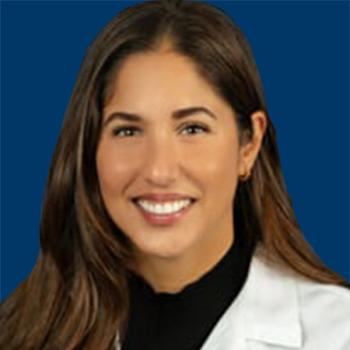
Megan Melody, MD, discusses how embracing authenticity, building patient trust, and supporting fellow female oncologists are key to thriving in the field.

The European Commission has approved imetelstat for the treatment of patients with transfusion-dependent anemia in lower-risk myelodysplastic syndrome.

SAR444200-mediated targeting of GPC3-expressing solid tumors was safe and showed early signs of antitumor activity in a phase 1/2 study.

Cema-cel generated CRs, most of which were durable, among patients with relapsed/refractory LBCL who were naive to anti-CD19 CAR T-cell therapy.

Patients with high-risk, early breast cancer receiving adjuvant abemaciclib maintained benefit with the agent regardless of dose modification.
Megan Melody, MD, discusses her journey as an oncologist and the importance of mentorship and a supportive work environment to empower women in the field.

Imlunestrant generated PFS benefit with or without abemaciclib for select patients with ER-positive, HER2-negative advanced breast cancer.

First-line olverembatinib plus low-intensity chemotherapy has received breakthrough therapy designation in China for patients with Ph-positive ALL.

Rachna Shroff, MD, MS, FASCO, discusses the potential role for nab-paclitaxel plus gemcitabine and cisplatin in select patients with biliary tract cancers.

Brandon G. Smaglo, MD, FACP, discusses upfront treatment considerations for patients with metastatic pancreatic cancer.

Teresa Petrella, MD, MHSc, FRCPC, discusses long-term data that inform the sequencing of immunotherapy and targeted therapies for frontline melanoma.

China’s NMPA has granted priority review to an NDA for neoadjuvant ipilimumab injection plus sintilimab in MSI-H or dMMR colon cancer.
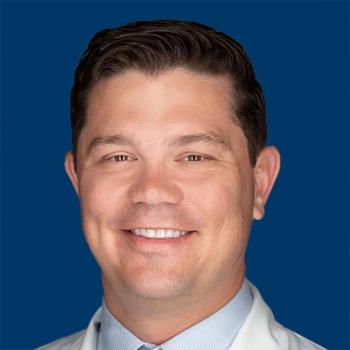
Andrew Kuykendall, MD, discusses the importance of a nuanced, multidisciplinary approach to expedite the diagnosis of indolent systemic mastocytosis.

Pedro Barata, MD, provides insights on key updates in RCC, MIBC, and prostate cancer, as discussed during a State of the Science Summit™.

The FDA has granted priority review to the sBLA for perioperative pembrolizumab plus adjuvant radiotherapy in resectable locally advanced HNSCC.
Pedro Barata, MD, discusses the expansion of radioligand therapies and the identification of novel targets beyond PSMA in prostate cancer.

Christopher P. Fox, MBChB(Hons), PhD, FRCP, FRCPath, discusses the ongoing evaluation of duvelisib in nodal T-cell lymphoma.
RZ-001 has received FDA fast track designation for the treatment of patients with hepatocellular carcinoma.

Experts across the field of GU oncology share important insights and spotlight key research presented at the 2025 GU Cancers Symposium.

The European Commission approved belzutifan for select VHL-associated cancers and advanced clear cell renal cell carcinoma.

Tara C. Mitchell, MD, discusses considerations and lingering questions regarding pre- and post-operative management strategies in stage IIB/IIIC melanoma.

Marwan G. Fakih, MD, discusses the FDA approval of sotorasib plus panitumumab in KRAS G12C–mutated metastatic colorectal cancer.

A resubmitted biologics license application for linvoseltamab in relapsed/refractory multiple myeloma is under review by the FDA.

Patients with systemic mastocytosis experienced superior OS and DOT outcomes with first- and later-line avapritinib vs midostaurin and BAT, respectively.

Adam Duvall, MD, MPH, spotlights new research further elucidating the role of blinatumomab in the acute lymphoblastic leukemia treatment paradigm.

Get the inside scoop from Drs Lou, Patel, and Beg on the top takeaways to come out of the 2025 Gastrointestinal Cancers Symposium.