

Invikafusp alfa was active in unresectable, locally advanced or metastatic solid tumors resistant to immune checkpoint inhibitors.

Your AI-Trained Oncology Knowledge Connection!
Invikafusp alfa was active in unresectable, locally advanced or metastatic solid tumors resistant to immune checkpoint inhibitors.
A retrospective analysis showed higher response rate for cabozantinib/nivolumab vs. lenvatinib/pembrolizumab in advanced RCC.

Enfortumab vedotin, both as monotherapy and in combination with pembrolizumab, demonstrated clinical activity in patients with UTUC lesions.
P-BCMA-ALLO1 displayed early efficacy and safety data in relapsed/refractory multiple myeloma.

Adding Lu-PSMA-617 to enzalutamide significantly improved overall survival and quality of life in metastatic castration-resistant prostate cancer.
Frontline nivolumab plus chemotherapy elicited clinically meaningful long-term survival benefits vs chemotherapy alone in advanced gastric/GEJ cancer.

Treatment with atezolizumab and neoadjuvant chemotherapy followed by adjuvant atezolizumab did not improve EFS in triple-negative breast cancer.

Maintenance therapy with teclistamab with or without lenalidomide was safe and efficacious in newly diagnosed multiple myeloma.

Cilta-cel reduced the risk of death by 45% compared with standard of care in patients with multiple myeloma, according to the CARTITUDE-4 study.

Datopotamab deruxtecan shows antitumor activity in patients with advanced/metastatic ovarian and endometrial cancer and progressive disease following platinum chemotherapy.

Encorafenib, cetuximab, and FOLFIRI demonstrate promising antitumor activity in patients with BRAF V600E-mutant metastatic colorectal cancer.

Neoadjuvant pembrolizumab plus chemotherapy led to greater pathologic regression vs placebo plus chemotherapy in early-stage non–small cell lung cancer.

Reid W. Merryman, MD, discusses notable advancements with minimal residual disease assays in lymphoma.

Ponatinib, chemo, and alloHSCT offer long-term survival in adult Ph+ ALL, per 4-year PONALFIL trial data at 2024 EHA Congress.

Cretostimogene grenadenorepvec plus pembrolizumab sustains high CR rate in NMIBC according to the phase 2 CORE-001 trial.

Treatment cessation of enzalutamide-containing regimens in responding patients had no impact on QOL in biochemically recurrent nmHSPC.

Cabazitaxel plus abiraterone acetate and prednisone improved PSA response and extended PFS vs abiraterone acetate and prednisone in patients with mCRPC.

Nadofaragene firadenovec led to durable antitumor activity in BCG-unresponsive NMIBC either with CIS or papillary disease, according to 5-year data from the phase 3 Study CS-003.
18F-DCFPyL PSMA-PET imaging plus multi-parametric MRI improved the detection of clinically significant prostate cancer in low- and high-risk men on active surveillance.
Assessment of urinary MRD status identified and enabled quantification of molecular responses with nadofaragene firadenovec in BCG-unresponsive NMIBC.

Frontline treatment with the combination of enfortumab vedotin-ejfv and pembrolizumab led to a statistically significant improvement in overall survival vs chemotherapy in patients with previously untreated locally advanced or metastatic urothelial carcinoma.
Lenvatinib plus pembrolizumab (Keytruda) showed a sustained overall survival and progression-free survival benefit vs sunitinib alone at a median follow-up of 4 years in patients with advanced renal cell carcinoma.

Belzutifan plus lenvatinib generated responses and displayed a manageable safety profile in patients with advanced clear cell renal cell carcinoma whose disease progressed following treatment with a PD-1/L1 inhibitor and a VEGF TKI.

Apalutamide plus androgen deprivation therapy with or without abiraterone acetate and prednisone improved prostate-specific antigen progression-free survival in patients with biochemically relapsed prostate cancer, according to long-term follow-up data from the phase 3 PRESTO trial.
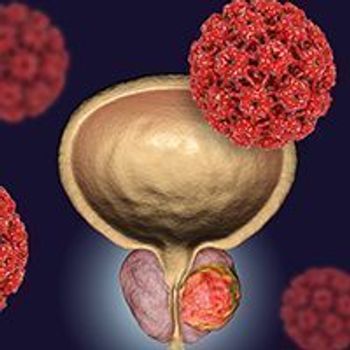
A subgroup analysis of the phase 3 ARASENS trial showed that darolutamide plus androgen deprivation therapy elicited an overall survival benefit in North American patients with metastatic hormone-sensitive prostate cancer.

The use of zoledronic acid or other bisphosphonates was associated with a significant reduction in risk of fracture in patients with metastatic hormone-sensitive prostate cancer.

Intensification of androgen-deprivation therapy plus apalutamide displayed promising efficacy in patients with high-risk, biochemically relapsed prostate cancer.

Treatment with atezolizumab did not improve clinical outcomes vs placebo following resection in patients with renal cell carcinoma at increased risk of recurrence.
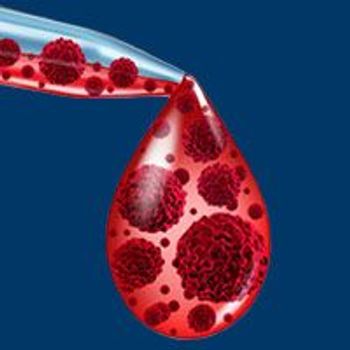
Circulating tumor DNA, select androgen receptor, and non-AR biomarkers have been identified as potential prognostic indicators of overall survival benefit for apalutamide plus androgen-deprivation therapy for patients with metastatic castration-sensitive prostate cancer.

68Ga-PSMA-11 PET/CT imaging parameters demonstrated a statistically significant association with clinical outcomes with the PSMA-targeted radioligand therapy lutetium-PSMA-617 in patients with metastatic castration-resistant prostate cancer.

Published: February 18th 2022 | Updated:

Published: September 10th 2022 | Updated:
Published: February 14th 2025 | Updated:

Published: June 6th 2022 | Updated:

Published: June 8th 2021 | Updated:

Published: October 22nd 2023 | Updated: