
During Multiple Myeloma Awareness Month, Joshua Richter, MD, highlights advances in T-cell–redirecting therapies in the space.

Jax DiEugenio joined MJH Life Sciences in 2024, first as an editorial intern before transitioning into a full-time assistant editor for OncLive. A recent College of New Jersey graduate, Jax majored in Journalism/ Professional Writing with minors in Public Health and Anthropology. He is also pursuing a Master's Degree in Public Health, concentrating on health communications.
During Multiple Myeloma Awareness Month, Joshua Richter, MD, highlights advances in T-cell–redirecting therapies in the space.
During Multiple Myeloma Awareness Month, Joshua Richter, MD, highlights symptom recognition and precursor conditions for the malignancy.

A randomized trial found no significant differences in recurrence or survival with smaller radiation margins vs standard RTOG protocols in patients with HGG.

A Type II variation application has been submitted to the EMA for the expanded approval of sugemalimab for unresectable stage III NSCLC.

Joshua Feinberg, MD, discusses the role of the Scout AI platform in aiding trial matching and treatment selection in oncology.

Kelly E. McCann, MD, discusses mentorship in oncology and the importance of guiding patients with breast cancer through their treatment journey.

Grzegorz S. Nowakowski, MD, discusses the FDA approval of brentuximab vedotin plus lenalidomide and rituximab for relapsed/refractory LBCL.
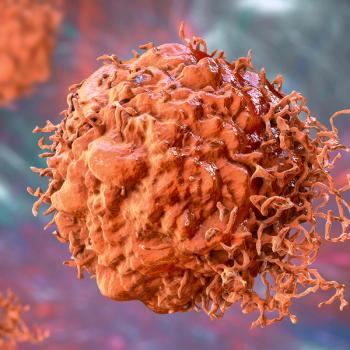
Ocular adverse effects stemming from mirvetuximab soravtansine did not significantly affect HRQOL in FRα-positive platinum-resistant ovarian cancer.

Penpulimab received NMPA approval for first-line use with chemotherapy in recurrent or metastatic nasopharyngeal carcinoma.

Findings from a real-world study confirm the efficacy and safety of dostarlimab plus chemotherapy in advanced endometrial cancer.
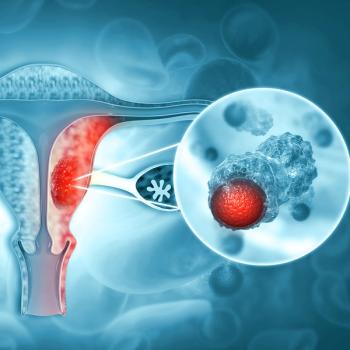
Puxitatug samrotecan demonstrated preliminary efficacy and manageable safety in advanced or metastatic endometrial cancer.

Neal D. Shore, MD, FACS, discusses the evaluation of nadofaragene firadenovec in intermediate-risk NMIBC and its potential effect on treatment strategies.

Single-agent mosunetuzumab generated response rates in patients with relapsed/refractory MCL who previously received a BTK inhibitor.

The FDA granted orphan drug designation to rhenium (186Re) obisbemeda for the treatment of leptomeningeal metastases from lung cancer.

MT-8421, a novel engineered toxin body targeting CTLA-4, was not associated with grade 4 or 5 toxicities in patients with select advanced solid tumors.

ALISCA-Breast1 is investigating alisertib plus endocrine therapy in HR-positive, HER2-negative recurrent or metastatic breast cancer.

The Chinese NMPA has approved sacituzumab tirumotecan for EGFR-mutant advanced NSCLC following progression on an EGFR TKI and chemotherapy.

Preliminary data showed atirmociclib plus letrozole yielded antitumor activity in HR-positive/HER2-negative metastatic breast cancer.

A post hoc analysis of the NATALEE trial suggests that ribociclib dose reduction preserves iDFS in hormone receptor+/HER2-negative early breast cancer.
Versamune HPV plus PDS01ADC and bintrafusp alfa demonstrated clinical benefit in locally advanced or metastatic HPV-associated cancers.

Matthew Wagar, MD, discusses treatment considerations for advanced/recurrent endometrial cancer.

SON-1010 is being investigated for its potential to improve outcomes in solid tumors.
The FDA has approved 2 denosumab biosimilars for all indications of their respective reference medications.

Lisaftoclax plus azacitidine demonstrated clinical activity and was safe in higher-risk MDS.

CHMP has recommended glofitamab plus gemcitabine and oxaliplatin for R/R DLBCL.

The CHMP has issued a positive opinion for linvoseltamab in relapsed/refractory multiple myeloma.

Step-up dosing with etentamig produced responses and low rates of CRS in relapsed/refractory multiple myeloma.

Mohammed Najeeb Al Hallak, MD, MS explores treatment considerations in advanced pancreatic, colorectal, and neuroendocrine cancers.

Odronextamab produced durable responses in relapsed/refractory diffuse large B-cell lymphoma after disease progression following CAR T-cell therapy.
Mohammed Najeeb Al Hallak, MD, MS, discusses patient-specific factors to consider during the selection of frontline systemic therapy for HCC.