Abiraterone acetate, prednisone, and olaparib combination therapy boosted efficacy outcomes in first-line mCRPC.
Abiraterone acetate, prednisone, and olaparib combination therapy boosted efficacy outcomes in first-line mCRPC.
Real-world data show over an 40% response rate for lifileucel TIL therapy, for previously treated advanced melanoma.

A real-world cilta-cel study revealed a link between high lymphocyte peaks and failed bridging to parkinsonism and nonrelapse mortality, potentially guiding early intervention.

Real-world data confirm the importance of tumor debulking with bridging therapy to reduce the risk of parkinsonism and NRM with cilta-cel in myeloma.
Ustekinumab plus prophylaxis did not reduce acute GVHD in patients who underwent HCT from matched unrelated donors.

Giredestrant plus everolimus improved PFS across subgroups in ER-positive/HER2-negative advanced breast cancer.

Long-term follow-up data from the AGAVE-201 trial showed that safety and survival outcomes with axatilimab were maintained in patients with chronic GVHD.

The bispecific ADC iza-bren improved ORR and led to more durable responses vs chemotherapy in heavily pretreated recurrent or metastatic NPC.

ASCT added to Isa-KRd consolidation following Isa-KRd induction did not improve MRD outcomes vs continued Isa-KRd in MRD-negative, newly diagnosed myeloma.

Elraglusib plus gemcitabine/nab-paclitaxel displayed an OS benefit vs chemotherapy alone in untreated metastatic pancreatic ductal adenocarcinoma.

TTFields plus chemotherapy improved overall survival in unresectable, locally advanced pancreatic ductal adenocarcinoma.

Favorable responses were demonstrated with the treatment of axatilimab plus ruxolitinib/belumosudil in heavily pretreated patients with chronic GVHD.

Select safety measures have improved the prevention and management of risks associated with ponatinib in ALL and CML over 10 years.
Real-world data showed ide-cel was active in patients with central nervous system manifestations of multiple myeloma.

Improvements in the 4 hallmarks of myelofibrosis were observed with pelabresib plus ruxolitinib vs placebo plus ruxolitinib in JAK inhibitor-naive disease.

Darolutamide plus ADT shows PFS benefit without docetaxel in metastatic hormone-sensitive prostate cancer.

T-DXd improved time to deterioration for pain and other subscores, with no decline in overall QOL in HER2 low/ultralow breast cancer.
The investigational PROTAC AR degrader ARV-766 showed promising clinical activity and tolerability in patients with metastatic castration-resistant prostate cancer.

The activity of nab-sirolimus plus letrozole is under study in patients with advanced or recurrent endometrioid endometrial cancer.
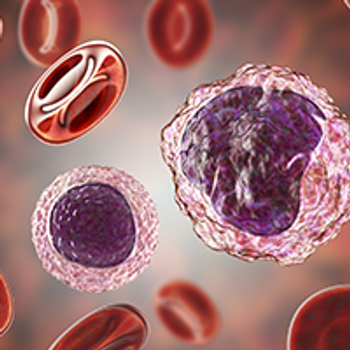
Real-world ruxolitinib use in chronic GVHD was primarily in the second- or third-line, lasted for a median of 8 months, and involved dose adjustments.

Treatment with immune engager therapies following relapse on ide-cel resulted in better median PFS vs other therapies for patients with multiple myeloma.

A post-hoc analysis of censored patients with mHSPC showed benefit with darolutamide, ADT, and docetaxel, supporting primary data from the ARASENS trial.

Obecabtagene autoleucel elicited durable responses in patients with relapsed or refractory B-cell acute lymphoblastic leukemia independent of leukemic burden at lymphodepletion, although better outcomes were observed in those with lower burden.

The combination of lenvatinib, pembrolizumab, and chemotherapy had a manageable safety profile and elicited preliminary antitumor activity in patients with metastatic esophageal squamous cell carcinoma.

Use of the novel T-charge rapid manufacturing platform for the production of durcabtagene autoleucel CAR T cells within 2 days was successful in producing rapid and robust in vivo expansion, as well as long-term T-cell persistence in patients with relapsed/refractory multiple myeloma, according to a correlative analysis of data from an ongoing phase 1 trial presented at the 2023 IMS Annual Meeting.

Treatment with the antibody-drug conjugate ifinatamab deruxtecan in heavily pretreated patients with small cell lung cancer led to promising efficacy and a manageable safety profile.

The LAG-3 inhibitor fianlimab plus cemiplimab produced high and consistent tumor responses and a comparable toxicity profile to that of anti–PD-L1 monotherapies in patients with advanced melanoma who were PD-L1 inhibitor–naïve in the advanced setting, according to data from a phase 1 study.

Patients with homologous recombination repair–deficient mutations and metastatic castration-resistant prostate cancer who also harbored BRCA mutations experienced poorer survival outcomes vs patients without BRCA mutations and those with non-BRCA HRR mutations, according to an analysis from the CAPTURE trial.

Treatment with eftilagimod alpha plus pembrolizumab resulted in tumor shrinkage and a tolerable safety profile in patients with anti–PD-1/PD-L1–resistant non–small cell lung cancer.
A study did not find a correlation between the pharmacokinetics and pharmacodynamics of ruxolitinib for the treatment of patients 2 years of age and younger with graft-vs-host disease.
February 5th 2026