

Luke Nordquist, MD, discusses a study investigating a higher dose of radium-223 dichloride (Xofigo) in patients with metastatic castration-resistant prostate cancer and the ongoing potential of the agent in treating the disease.
Luke Nordquist, MD, discusses a study investigating a higher dose of radium-223 dichloride (Xofigo) in patients with metastatic castration-resistant prostate cancer and the ongoing potential of the agent in treating the disease.
Early findings from a phase III clinical trial suggest that patients with multiple myeloma who receive upfront autologous stem cell transplant survive longer without disease progression than those who receive chemotherapy alone.
Thierry M. Jahan, MD, discusses a study looking at the investigational cancer vaccine CRS-207 and its potential in mesothelioma.

John Haanen, MD, PhD, discusses why the best combination regimens and the ideal patient population for immunotherapy treatments in lung cancer are still largely unknown.

Desiree Ratner, MD, discusses what oncologists should know about hedgehog inhibitors in advanced basal cell carcinoma and what the future holds for these agents.
Kenneth Anderson, MD, PhD, discusses the role of APRIL/BCMA and what potential the targeted agent BION-1301 may have in blocking multiple myeloma cell proliferation, as well as reducing drug resistance and immunosuppression in the tumor microenvironment.
Chris Barker, MD, discusses a study investigating radiation therapy plus the hedgehog pathway inhibitor vismodegib (Erivedge) in patients with locally advanced basal cell carcinoma of the head and neck.
In an ongoing randomized phase III trial, researchers are looking at lenalidomide (Revlimid) compared with observation in patients with asymptomatic high-risk smoldering multiple myeloma.
Patrick Ott, MD, PhD, discusses toxicity management and patient selection considerations required with the combination of nivolumab (Opdivo)/ipilimumab (Yervoy), and its role in BRAF-mutant melanoma.
Omid Hamid, MD, outlines a selection of combinations that are on the horizon in advanced melanoma.
Jong Chul Park, MD, discusses the potential synergy of radium-223 and sipuleucel-T, which is being investigated in a clinical trial as a potential treatment for patients with metastatic castration-resistant prostate cancer.
Michael Choti, MD, explains the impact of advancements in the treatment of patients with liver cancer and how building on them will require all oncology professionals to work as a team.
Angela M. DeMichele, MD, explains the significance of the I-SPY 2 data, the advantages of T-DM1 versus standard of care, and what is on the horizon for the use of T-DM1 in HER2-positive disease.
Robert Figlin, MD, discusses some emerging agents and ongoing trials that could transform the treatment landscape of renal cell carcinoma.
Damon Reed, MD, discusses the challenges associated with treating rare sarcomas, the importance of collaboration, advancements in the field, and the potential for immunotherapy in the disease.
Plasma genotyping can, in most cases, identify T790M-positivity in non-small cell lung cancer, which gives patients the option of receiving the targeted therapy osimertinib without the need for a tumor biopsy, according Geoffrey R. Oxnard, MD.
Jonathan D. Schoenfeld, MD, discusses potential synergy between radiation therapy, given with or without chemotherapy, and immune checkpoint inhibitors in patients with squamous cell carcinoma of the head and neck.
PD-1/PD-L1 should be the backbone of melanoma treatment for many patients, says Jason Luke, MD, an assistant professor of Medicine at the University of Chicago Medicine.
Jessica Frakes, MD, explains findings from a study that examined treatment and follow-up for HPV-associated oropharynx cancer, and how they could impact clinical practice for the follow-up of patients with the disease.
Tara C. Mitchell, MD, discusses what oncologists need to know about using immunotherapies in melanomaâ€â€
Sundar Jagannath, MD, discusses emerging agents in multiple myeloma he is most excited about, sequencing challenges, and the role for personalized medicine in the disease.
Carol Rossier Bradford, MD, discusses the treatment and surgical outlook for head and neck melanoma, as well as other subtypes of the disease.
Michael Davies, MD, discusses the biggest challenges in treating brain metastases, what is known about the connection to the PI3K/AKT pathway, and what his future plans are for research in this area.
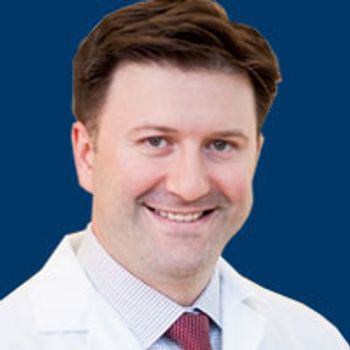
Alexander Kutikov, MD, discusses the evolving role of surgery in kidney cancer.
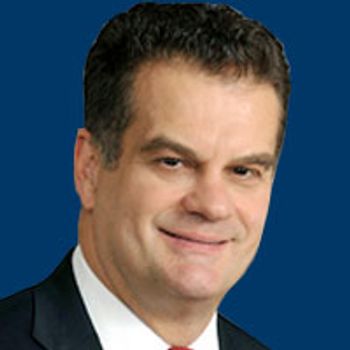
H. Thomas Temple, MD, explains where he sees the future of sarcoma going and what diagnostic technologies and therapeutic advancements he is most excited about.

Tanguy Seiwert, MD, discusses the impact of the CheckMate-141 trial in head and neck cancer, the importance of establishing an effective biomarker, and the significance a manageable toxicity profile may have on patients with poor performance status.
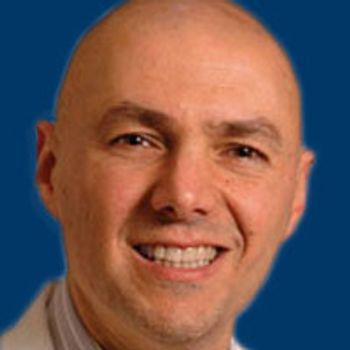
Ezra Cohen, MD, discusses results of a biomarker analysis and the next steps in understanding biomarkers for afatinib in patients with head and neck cancer.
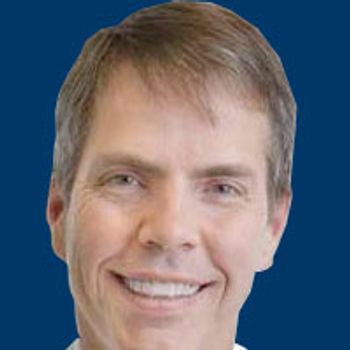
John Byrd, MD, explains why he believes the ibrutinib approval is practice changing, and how he thinks the agent should be utilized next.
George Demetri, MD, discusses the impact of the eribulin’s FDA approval, what oncologists can learn from studying liposarcoma, and the challenges that come with treating a rare disease.
Leonard Gomella, MD, discusses the optimal patient population to receive radium-223 for prostate cancer and how oncologists should best use it.