
Patients with cancer continue to find their health care providers “more helpful” in managing physical adverse effects resulting from cancer therapy compared with emotional or mental health AEs.

Your AI-Trained Oncology Knowledge Connection!
Patients with cancer continue to find their health care providers “more helpful” in managing physical adverse effects resulting from cancer therapy compared with emotional or mental health AEs.

XmAb18087 demonstrated a disease control rate of 43% across dose levels in patients with neuroendocrine tumors and a favorable safety profile.

Combination CDK4/6 and MEK inhibition was “highly synergistic” in killing pancreatic neuroendocrine tumor cells in vitro and effectively suppressed PNET growth in mice.

In an interview with OncologyLive®, Justin F. Gainor, MD, discusses the impact pralsetinib may have on the RET-altered NSCLC paradigm.

Despite efforts to advance the precision oncology portfolio for patients with diffuse large B-cell lymphoma by categorizing subtypes of the molecularly heterogenous disease, developing treatment routes for these alternate forms presents an uphill battle.

Over the past decade in gastrointestinal cancer treatment, the acknowledgement that cancer is heterogeneous and likely polyclonal has prompted a shift from gene testing for some patients, to many patients.

The coronavirus disease 2019 pandemic has increased levels of perceived and post-traumatic stress among oncology providers and patients with cancer alike, which suggest a need for psychosocial support resources to promote emotional resilience and reduce the risk of post-traumatic stress in patients on active therapy.

Implementing population-based BRCA1/2 testing is not only cost-effective in high- and upper middle–income countries but could also prevent tens of thousands of breast and ovarian cancer cases compared with the current clinical strategy, which recommends testing only for high-risk women.

Cancer is independently associated with mortality in patients admitted to the hospital due to coronavirus disease 2019 (COVID-19) infection.
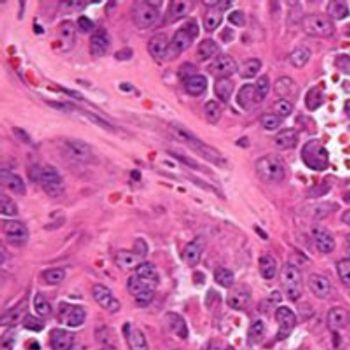
Pembrolizumab monotherapy prolonged progression-free survival in selected rare sarcoma subtypes, supporting the immune checkpoint inhibitor’s ability to improve outcomes across histotypes.

Although the SOLAR-1 trial did not cross the prespecified O’Brien-Fleming efficacy boundary in postmenopausal patients with PIK3CA-mutant, hormone receptor–positive, HER2-negative advanced breast cancer, alpelisib and fulvestrant nevertheless prolonged the median OS.

Although atezolizumab did not improve pathological complete response when added to carboplatin and nab-paclitaxel, the immunotherapy increased the pCR by 10% or more in “immune-rich” groups with high-risk and locally advanced triple-negative breast cancer, and also turned PD-L1 negative tumors positive in most immunotherapy-treated patients.
David P. Steensma, MD, discusses the importance of evaluating eprenetapopt in the pivotal phase 3 study, the agent’s potential role in the MDS landscape, and some of the questions that remain in this setting.

The safety and efficacy of ramucirumab administered after a frontline, non–sorafenib-based systemic therapy in hepatocellular carcinoma was consistent with data from the sorafenib-receiving intention-to-treat population of the phase 3 REACH-2 study.
Kami J. Maddocks, MD, discusses the tolerability and promise of tafasitamab in combination with lenalidomide in relapsed or refractory DLBCL.

A multi-year, multi-study research collaboration between Daiichi Sankyo and Gustave Roussy Cancer Center will support the clinical, translational, and preclinical evaluation of 2 of the company’s lead antibody-drug conjugates: DS-1062 in advanced non–small cell lung cancer, and patritumab deruxtecan in metastatic breast cancer.

Under a draft recommendation proposed by the US Preventive Services Task Force, individuals who are at a high risk for developing lung cancer because of their smoking history would begin annual screening with low-dose computed tomography at aged 50 years.

Priyanka Sharma, MD, discusses how data from early clinical studies suggest a role for CDK4/6 inhibitor-based combinations in hormone receptor- positive, HER2-positive breast cancer and triple-negative breast cancer.

Technological advancements are rapidly expanding the potential uses for blood-based liquid biopsies, but broad clinical adoption in cancer care hinges on improving the knowledge base of practicing oncologists and gathering prospective data to validate assays.
The approval of encorafenib in combination with cetuximab advances the metastatic colorectal cancer paradigm, introducing a biomarker-specific regimen for patients with pretreated BRAF V600E–mutant disease.

As precision medicine evolves in oncology, companion diagnostics are broadly and increasingly being adopted to guide treatment decisions, enabling clinicians to better and more precisely direct patients to therapies that best suit their unique genomic profiles.

The approval of tazemetostat has expanded the portfolio of treatment options for relapsed/refractory follicular lymphoma, a disease for which new agents are needed because patients do not uniformly derive benefit from available therapies.

The PARP inhibitor olaparib is now available for patients with metastatic castration-resistant prostate cancer whose tumors harbor mutations in homologous recombination repair genes.

Investigators will pit 2 PD-1/PD-L1–pathway agents against each other in a bid to determine which therapy can confer the greatest survival benefit in patients with PD-L1–high, advanced non–small cell lung cancer.

Immunotherapy use is associated with a higher risk for hospitalization and severe coronavirus disease 2019 infection in patients with cancer and the novel respiratory virus.
Ripretinib has become the first therapy specifically approved for the fourth-line treatment of gastrointestinal stromal tumors, a clinical setting with an unmet medical need because of the poor prognosis of patients with progressive disease.

Although strategies for treating brain metastases in patients with advanced breast cancer are showing signs of efficacy, new approaches are needed to prevent high-risk, HER2-positive early disease from spreading to the central nervous system.
The coronavirus disease 2019 has disrupted the global delivery of coordinated cancer care, resulting in declines in routine screening and referrals that could lead to thousands of excess deaths due to delayed diagnoses, experts warn.
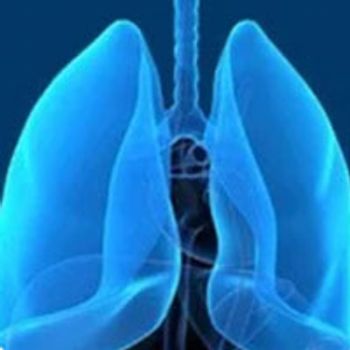
Under a draft recommendation proposed by the US Preventive Services Task Force, individuals who are at a high risk for developing lung cancer because of their smoking history would begin annual screening with low-dose computed tomography at age 50 rather than the current clinical standard of 55 years.

In non–small cell lung cancer, single cell analytics, genome editing, and next-generation animal models represent just some of the modern modalities advancing translational research.
Published: June 23rd 2020 | Updated:

Published: October 14th 2020 | Updated:

Published: August 23rd 2020 | Updated:

Published: July 7th 2020 | Updated:

Published: August 18th 2020 | Updated:

Published: May 15th 2020 | Updated: