The novel ADC DB-1311/BNT324 was effective in cervical cancer and PROC, regardless of prior treatment or histology
The novel ADC DB-1311/BNT324 was effective in cervical cancer and PROC, regardless of prior treatment or histology
A significant increase in treatment completion was observed among Black women with high-risk endometrial cancer who received 1:1 peer support.

Franco Cavalli, MD, has dedicated his life to treating patients, developing drugs, and bringing higher quality cancer care to areas in need of improvement

Real-world elranatamab led to higher response rates despite less favorable baseline characteristics vs real-world teclistamab in R/R multiple myeloma.
The combination of belantamab mafodotin, pomalidomide, and dexamethasone showed a median PFS of 32.6 months in relapsed/refractory multiple myeloma.

Locoregional recurrence-free rates were similar in newly diagnosed breast cancer, irrespective of resection of MRI-detected disease.
Talquetamab plus teclistamab produced a high ORR and CR or better rate in relapsed/refracotry multiple myeloma with true extramedullary disease.
Frontline disitamab vedotin plus toripalimab significantly improved PFS and OS in HER2-expressing locally advanced or metastatic urothelial carcinoma.
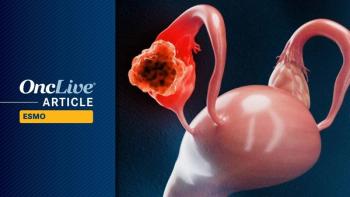
Pembrolizumab and paclitaxel with or without bevacizumab led to PFS and OS benefits vs placebo in place of pembrolizumab in recurrent, PD-L1–positive PROC.

Sevabertinib monotherapy led to robust and durable responses in first-line and pretreated patients with HER2-mutant advanced non–small cell lung cancer.

Maintenance therapy with belantamab mafodotin, pomalidomide, and dexamethasone was safe and led to durable responses in high-risk myeloma.
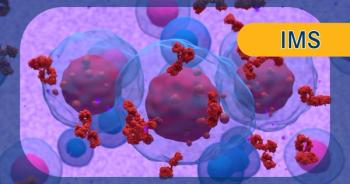
Isa-KRd led to a 74.8% MRD negativity rate in high-risk newly diagnosed multiple myeloma subgroups.
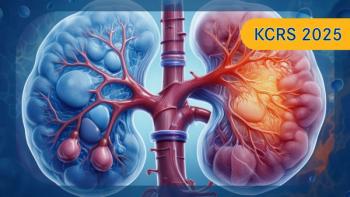
Treatment with casdatifan in combination with cabozantinib produced responses and was safe in patients with pretreated clear cell renal cell carcinoma.
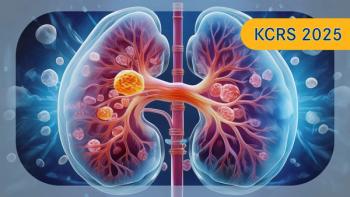
Metastasis-directed radiotherapy without systemic therapy demonstrated an improved safety profile vs immunotherapy and tyrosine kinase inhibitors.

JNJ’4496 demonstrated an ORR of 100% in patients with relapsed or refractory large B-cell lymphoma who received 1 prior line of treatment.
Dara-KRd improved rates of MRD negativity compared with KRd alone in patients with newly diagnosed multiple myeloma, regardless of transplant eligibility.

Dostarlimab/chemotherapy plus maintenance niraparib showed clinically modest PFS improvements vs niraparib alone in newly diagnosed advanced ovarian cancer.
Neoadjuvant alectinib produced major pathologic responses, and it was tolerable and feasible in potentially resectable, stage III, ALK-positive NSCLC.

Nivolumab plus relatlimab generated favorable intracranial responses in patients with advanced PD-(L)1-refractory melanoma with brain metastases.
T-DXd maintained efficacy in HR-positive, HER2-low or -ultralow metastatic breast cancer irrespective of mutational subtype.

Patient-reported outcomes revealed that imulunestrant with or without abemaciclib was favored vs SOC in ER-positive, HER2-negative breast cancer.

T-DXd demonstrated clinically meaningful antitumor responses as second-line treatment in HER2-positive gastric/GEJ cancer.
The risk of developing ICANS with CAR T-cell therapy was higher in patients with NHL who experienced a recent fall and could not balance on their left leg.
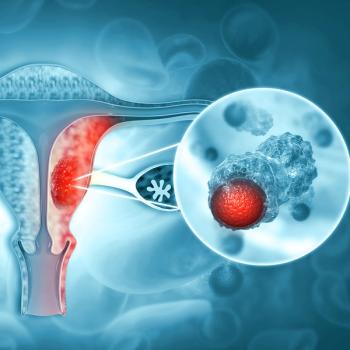
Maintenance selinexor improved progression-free survival in TP53 wild-type advanced endometrial cancer.

Afuresertib combined with paclitaxel did not elicit PFS or OS benefits vs paclitaxel alone in patients with unselected platinum-resistant ovarian cancer.

Cemiplimab-based therapy is effective and has a safety profile consistent with prior reports in locally advanced/metastatic penile cancer.
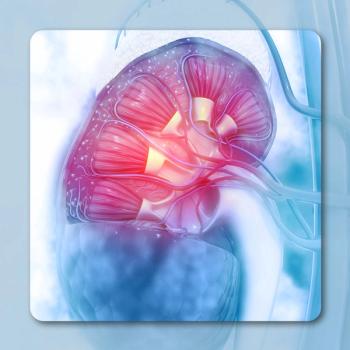
Nivolumab in combination with cabozantinib displayed a long-term PFS benefit in patients with treatment-naive advanced RCC.
Clinical outcomes did not significantly differ with atezolizumab plus bevacizumab vs tremelimumab and durvalumab in treatment-naive, unresectable HCC.

The phase 2 NeoCaCRT trial evaluating neoadjuvant SCRT plus cadonilimab/chemotherapy met its primary end point of pCR rate in locally advanced rectal cancer.

SHR-1701 plus CAPOX chemotherapy elicited fewer chemo delays and dose reductions and improved AE data vs placebo plus CAPOX in HER2-negative gastric/GEJ cancer.