



Oncology Business Management
Latest News
Advertisement
Latest Videos

































































Advertisement
More News

The FDA has broad authority to regulate food safety, as well as the safety, efficacy, and utilization of drugs and medical devices.

Trainees have sat in this hot seat at the front of the room for decades. It's not really warm, of course. This is where the fellow sits who is asked to review the findings, come up with a differential diagnosis, and devise a plan for the case in question.

Like all the other skills you've honed so finely over the years, interviewing can be mastered with the help of some solid tips, ample preparation, and a good dose of practice.

While debt from medical school loans is inevitable for most oncology and hematology fellows, there are strategies they can consider to lessen that burden.

Progenics Pharmaceuticals, Inc. is trimming its staff by 26% and cutting its infectious disease and virology programs so that it can focus solely on its oncology program.
Dr. Adam Brufsky from the University of Pittsburgh School of Medicine Advises Doctors on Bevacizumab (Avastin) for Breast Cancer

Dr. Teresa Woodruff from Feinberg School of Medicine, Northwestern University, Discusses Oncofertility Insurance Coverage

It’s no surprise that you acquire significant debt during your medical training. Here are some ways to get those loans paid off.

Burnout is a recurring problem for overworked oncologists and hematologists. This article includes ideas to keep you healthy, engaged, and empathic.

Obtaining a high-quality bone marrow aspirate and biopsy is very important for the patient—and for you. Following these general guidelines will help you do this successfully.

All fellows will at some point in their careers be required to speak in public. This article provides a number of tips to make that task easier.
As millions of Americans grapple with changes in Medicare and other health insurance coverage, thousands of oncologists could find their medical practices threatened by insolvency.
Here are a few incontrovertible facts: our population is growing and aging; people are living longer; and care is more complex and applied for longer periods, so it is more costly.

Dr. Corey Langer from Abramson Cancer Center on Cost Analysis in the Treatment Decision
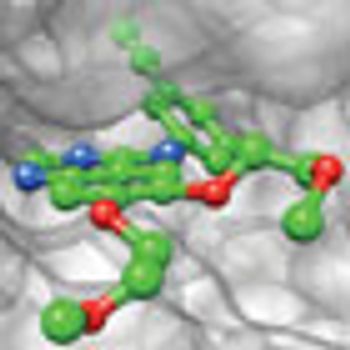
The epidermal growth factor receptor (EGFR) is the prototypical receptor tyrosine kinase (RTK) and one of the most comprehensively studied molecular targets in clinical oncology.

A Letter from Andre Goy, MD, MS, about the New Frontiers in the Management of Solid and Liquid Tumors in November.

British investigators are reporting that taller women have a higher risk of cancer, and that the link between height and cancer risk exists for most types of cancer.

The Joint Commission has released this year's list of top-performing hospitals.

The first few years after medical school can seem financially suffocating for young physicians.

With the right game plan, you can open your own lucrative practice in an area previously thought to be unprofitable.
Dr. Debu Tripathy from the USC Norris Comprehensive Cancer Center Discusses Biomarker Use in Clinical Trials

It seems that every year, the list of Accreditation Council for Graduate Medical Education (ACGME) requirements grows longer and more bewildering.

Researchers and clinicians are not necessarily expected to be world-class writers, but a well-written article that effectively communicates the topic at hand and adheres to the journal's standards is more likely to be published.

The healthcare system in the United States has become increasingly unsustainable.
Dr. Matthew J. Ellis from Washington University Discusses Ki67 as a Treatment Monitoring Biomarker
Advertisement
Advertisement
Trending on OncLive
1
FDA Approves Nogapendekin Alfa Inbakicept Plus BCG for High-Grade, Papillary-Only BCG-Unresponsive NMIBC
2
SurVaxM Cancer Vaccine Shows Clinically Meaningful OS Signal in Newly Diagnosed Glioblastoma
3
VS-7375 Elicits Responses in KRAS G12D–Mutated Pancreatic Cancer
4
FDA Receives NDA Resubmission for Rivoceranib Plus Camrelizumab in Frontline Unresectable or Metastatic HCC
5