






CAR T-Cell Therapy
Latest News
Advertisement
Latest Videos























































Advertisement
More News
Sophie Papa, PhD, MBBS, MRCP, King’s College London in the United Kingdom, discusses chimeric antigen receptor (CAR) T-cell therapy for patients with head and neck cancer.
Alfred L. Garfall, MD, discusses the latest developments with CAR T-cell therapy in hematologic malignancies
The flexibility of CAR T cells to perform multiple functions was associated with the level of clinical activity elicited for patients with advanced non-Hodgkin’s lymphoma, according to a retrospective analysis presented at the 2017 AACR Annual Meeting.

Results of a phase II trial showed that more than 80% of patients with refractory non-Hodgkin lymphoma achieved objective responses to treatment with the chimeric antigen receptor (CAR) T-cell therapy axicabtagene ciloleucel.
Sophie Papa, PhD, MBBS, MRCP, King’s College London in the United Kingdom, discusses chimeric antigen receptor (CAR) T-cell therapy for patients with head and neck cancer.

The FDA has granted a priority review designation to tisagenlecleucel-T as a treamtnet for pediatric and young adult patients with relapsed and refractory B-cell acute lymphoblastic leukemia, making it the first CAR T-cell therapy to enter regulatory review.

Michel Sadelain, MD, PhD, discusses CRISPR and its effect on CAR T cells.
Stephan Grupp, MD, PhD, discusses the phase II ELIANA study results and the next steps with chimeric antigen receptor T-cell therapy in acute lymphoblastic leukemia.

Alfred L. Garfall, MD, MS, assistant professor of Medicine, the Hospital of the University of Pennsylvania, discusses the impact of chimeric antigen receptor (CAR) T-cell therapy in hematologic malignancies.

Leo I. Gordon MD, discusses results from the TRANSCEND trial and the next steps with chimeric antigen receptor T-cell therapy in non-Hodgkin lymphoma.

Ola Landgren, MD, PhD, discusses a new clinical trial at Memorial Sloan Kettering examining a novel myeloma-directed CAR T-cell therapy developed by researchers at the cancer center.

Juno therapeutics has shifted its focus toward the development of JCAR017 for relapsed/refractory diffuse large B-cell lymphoma after a series of toxicity-related setbacks culminated in the need to halt the development of JCAR015.
Chimeric antigen receptor T-cell therapies have already produced clinical trial results that, even by the lofty standards set by emerging immunotherapies, have been stunning.
Treatment with axicabtagene ciloleucel demonstrated an objective response rate of 82% and a complete response rate of 54% for patients with aggressive non-Hodgkin lymphoma.
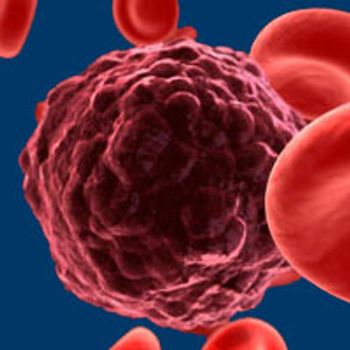
Proper care coordination and patient education are essential to the success of delivering chimeric antigen receptor T-cell therapy, particularly in preparing patients for potential adverse events.

Fred Locke, MD, Moffitt Cancer Center discusses the interim results of the ZUMA-I trial of Kte-C19, a CAR T-cell therapy.

Sattva S. Neelapu, MD, associate professor, Department of Lymphoma/Myeloma, Division of Cancer Medicine, The University of Texas MD Anderson Cancer Center, discusses the design of the ZUMA-1 trial of the chimeric antigen receptor (CAR) T-cell therapy KTE-C19 for patients with aggressive lymphomas.
Preet M. Chaudhary, MD, PhD, chief of the Jane Anne Nohl Division of Hematology and Center for the Study of Blood Diseases, Department of Medicine, professor of Medicine, Ronald H. Bloom Family Chair in Lymphoma Research, and program director of the USC Norris Blood and Marrow Transplant Program, co-Leader of the Molecular Genetics Program, University of Southern California, discusses the short-term and long-term future of CAR T-cells.

After demonstrating early success in acute lymphoblastic leukemia, CAR T-cell therapies are now expanding into all areas of hematologic malignancies, including non-Hodgkin lymphoma.
Treatment with concurrent ibrutinib improves expansion of chimeric antigen receptor T-cells and could subsequently improve response in patients with chronic lymphocytic leukemia, according to a study presented during the 2017 ASH Annual Meeting.
A study presented at the 2016 ASH Annual Meeting identified potential biomarkers of response to anti-CD19 CAR T-cell treatment in patients diagnosed with chronic lymphocytic leukemia.

Sattva S. Neelapu, MD, associate professor, Department of Lymphoma/Myeloma, Division of Cancer Medicine, The University of Texas MD Anderson Cancer Center, discusses the next steps with KTE-C19, an anti-CD19 chimeric antigen receptor T-cell therapy explored in the ZUMA-1 trial for patients with aggressive lymphomas.

Novel combination approaches are being explored that hope to capitalize on the high rates of complete remissions seen with CAR T-cell therapies for patients with hematologic malignancies.

Preet M. Chaudhary, MD, PhD, chief of the Jane Anne Nohl Division of Hematology and Center for the Study of Blood Diseases, Department of Medicine, professor of Medicine, Ronald H. Bloom Family Chair in Lymphoma Research, and program director of the USC Norris Blood and Marrow Transplant Program, co-Leader of the Molecular Genetics Program, University of Southern California, discusses challenges that oncologists continue to face when treating patients with CAR T-cell therapy.

Sattva S. Neelapu, MD, associate professor, Department of Lymphoma/Myeloma, Division of Cancer Medicine, The University of Texas MD Anderson Cancer Center, discusses the safety profile of KTE-C19, an anti-CD19 chimeric antigen receptor (CAR) T-cell therapy explored in the ZUMA-1 trial for patients with aggressive lymphomas.
Advertisement
Advertisement
Trending on OncLive
1
FDA Approval of Dostarlimab Brings Potential Organ-Sparing Approach in dMMR Locally Advanced Rectal Cancer
2
Casdatifan Demonstrates Activity in Advanced Clear Cell RCC
3
Treatment Tailoring and Weighing Alternative Formulations Support Optimal TKI Deployment in CML
4
HER2+ Maintenance Therapy Approvals and Innovative Brain Metastasis Care Reshape Breast Cancer Management
5