




Colorectal Cancer
Latest News

Advertisement
Latest Videos























































Advertisement
More News
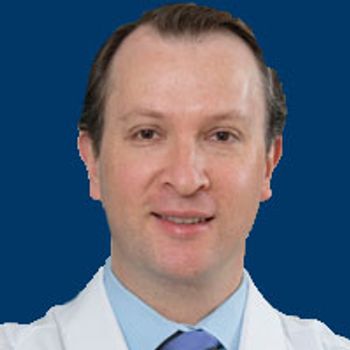
Neil H. Segal, MD, PhD, discusses the current role of immunotherapy in colorectal cancer and the work being done to define its role in earlier-line settings and among patients with microsatellite stable disease.

The approval of fam-trastuzumab deruxtecan-nxki in HER2-positive breast cancer is generating hopes that similar strategies also may be effective against HER2-expressing gastric and colorectal cancers, according to a panel of experts in gastrointestinal malignancies.

Cathy Eng, MD, FACP, FASCO, discusses the need to increase awareness regarding treating adolescents and young adults with colorectal cancer.
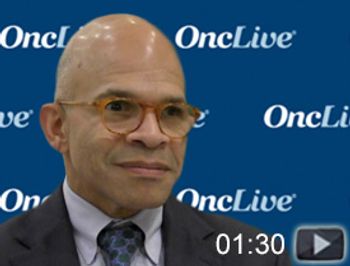
A. Craig Lockhart, MD, MHS, professor and associate director for Regional and Strategic Clinical Research Affiliations, Sylvester Comprehensive Cancer Center, University of Miami Health System, discusses dual-immunotherapy strategies in colorectal cancer (CRC).
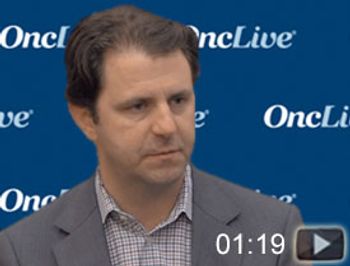
Ryan B. Corcoran, MD, PhD, discusses the presence of HER2 amplification in metastatic colorectal cancer.
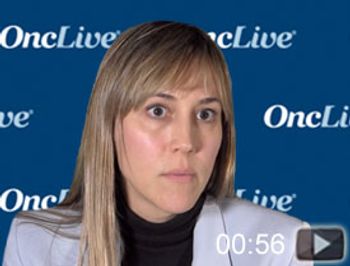
Andrea Cercek, MD, discusses the need for treatment options in KRAS-mutated metastatic colorectal cancer (mCRC).

Andrea Cercek, MD, discusses the importance of molecular testing in colorectal cancer.











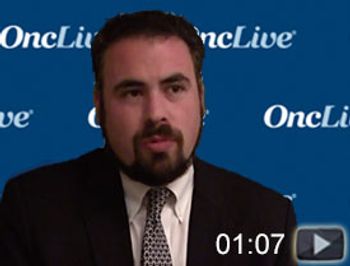
Benjamin Weinberg, MD, discusses the role of cetuximab in treating metastatic colorectal cancer.

Girish Putcha, MD, PhD, discusses the use of blood-based screening assays in colorectal cancer (CRC).
Third-line treatment of patients with metastatic colorectal cancer using regorafenib plus oral fluoropyrimidine TAS-102 provides clinically meaningful disease control with toxicities consistent with the safety profiles of either agent, according to data from the phase I dose-escalation trial REMETY presented at the 2020 Gastrointestinal Cancers Symposium.

A regimen of avelumab and cetuximab plus oxaliplatin, leucovorin, and 5-fluorouracil in patients with RAS/BRAF-wildtype metastatic colorectal cancer induced a very high response rate but did not meet its primary progression-free survival end point.
Scott Kopetz, MD, PhD, FACP, sheds light on encorafenib triplet and doublet options for patients with BRAF V600E–mutant metastatic colorectal cancer and other novel regimens under investigation.

Van Morris, MD, discusses research around treatment for patients with unresectable colorectal cancer.
Advertisement
Advertisement
Trending on OncLive
1
Dr Reiss Binder on the FDA Approval of Daraxonrasib for Metastatic PDAC
2
FDA Approves Daraxonrasib for Metastatic Pancreatic Ductal Adenocarcinoma
3
ASCO Issues Warning Regarding Ifosfamide Shortage for Cancer Care
4
Dr Borate on Efficacy Data for Shorter Venetoclax-Plus-Azacitidine Dosing in AML
5