





Colorectal Cancer
Latest News
Advertisement
Latest Videos




























































Advertisement
More News

Thorvardur (Thor) Halfdanarson, MD, discusses the KEYNOTE-177 trial in microsatellite instability-high/mismatch repair deficient metastatic colorectal cancer.
The approval of encorafenib in combination with cetuximab advances the metastatic colorectal cancer paradigm, introducing a biomarker-specific regimen for patients with pretreated BRAF V600E–mutant disease.

Axel Grothey, MD, discusses biomarkers that can help to guide the treatment of metastatic colorectal cancer.

Jeffrey A. Meyerhardt, MD, MPH, FASCO, discusses the rationale for the randomized phase 3 CALGB/SWOG 80702 trial in colon cancer.

Van K. Morris, MD, discusses the role of circulating tumor DNA in resected colon cancer.

Edward Chu, MD, MMS, discusses the impact of the phase 3 MK-3475-177/KEYNOTE-177 trial in metastatic colorectal cancer.

Thorvardur (Thor) Halfdanarson, MD, discusses novel approaches under investigation in the later-line treatment of patients with CRC.

Newer, cheaper and more personalized tests means more people tested and more lives saved.

Thorvardur (Thor) Halfdanarson, MD, discusses the molecular differences between left- versus right-sided tumors in colorectal cancer.
Shai Friedland, MD, discusses the novel multimodal FirstSight test, which showed promise in identifying colorectal cancer, as well as precancerous polyps and advanced adenomas.

Thierry Andre, MD, discusses the results of the KEYNOTE-177 trial in metastatic colorectal cancer.
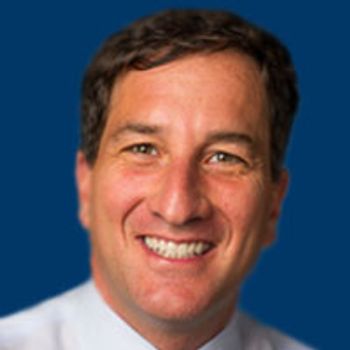
Jeffrey A. Meyerhardt, MD, MPH, FASCO, discusses the addition of celecoxib to standard chemotherapy, stating that it did not significantly improve disease-free survival or overall survival in patients with colon cancer.

Heinz-Josef Lenz, MD, FACP, discusses third-line treatment approaches that are generating excitement in colorectal cancer.

Heinz-Josef Lenz, MD, FACP, discusses third-line treatment combination approaches in colorectal cancer.

Daniel H. Ahn, DO, an oncologist, internist, and assistant professor of medicine at Mayo Clinic, discusses current limitations of targeted therapy in the colorectal cancer.

Heinz-Josef Lenz, MD, FACP, discusses factors to consider when choosing between regorafenib and trifluridine/tipiracil in the third-line treatment of patients with colorectal cancer.

Daniel H. Ahn, DO, discusses updated findings from the phase 3 KEYNOTE-177 trial in patients with newly diagnosed microsatellite instability–high/mismatch repair deficient metastatic colorectal cancer.

Daniel H. Ahn, DO, discusses advancing actionable alterations in colorectal cancer.
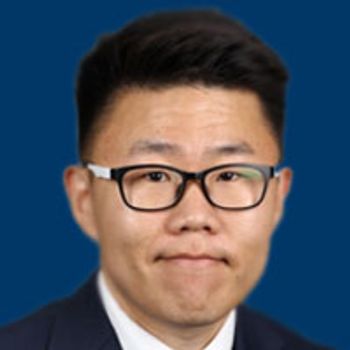
Daniel H. Ahn, DO, discusses the slew of actionable alterations that have emerged in colorectal cancer in recent years, including targeted therapies that are boosting survival outcomes.

Sander Bach, MD, PhD, discusses research examining circulating tumor DNA in colorectal cancer.
Molecularly targeted therapies showed practice-changing results for patients with biomarker-driven lung, colorectal, and ovarian cancers in phase 3 randomized clinical trial findings.

Sander Bach, MD, PhD, discusses ongoing research with circulating tumor DNA in colorectal cancer.

Sander Bach, MD, PhD, discusses the results of a systematic review of circulating tumor DNA in colorectal cancer.

Daniel H. Ahn, DO, discusses left- versus right-sided tumors in colorectal cancer.

Scott Kopetz, MD, PhD, FACP, discusses the rationale for the phase 3 BEACON CRC trial in BRAF V600E-mutant metastatic colorectal cancer.
Advertisement
Advertisement
Trending on OncLive
1
Dr Reiss Binder on the FDA Approval of Daraxonrasib for Metastatic PDAC
2
FDA Approves Daraxonrasib for Metastatic Pancreatic Ductal Adenocarcinoma
3
ASCO Issues Warning Regarding Ifosfamide Shortage for Cancer Care
4
Dr Borate on Efficacy Data for Shorter Venetoclax-Plus-Azacitidine Dosing in AML
5