




Colorectal Cancer
Latest News
Advertisement
Latest Videos































































Advertisement
More News
Nadir Arber, MD, MHA, Yechiel and Helen Lieber Chair for Cancer Research at Tel Aviv Sourasky Medical Center and Tel Aviv University, Sackler School of Medicine, Professor of Medicine and Gastroenterology and Director of the Integrated Cancer Prevention Center (ICPC) in Tel-Aviv Medical Center, discusses the role of aspirin in the prevention of colorectal cancer.
Luis A. Diaz, Jr. MD, associate professor of Oncology, Johns Hopkins Sidney Kimmel Comprehensive Cancer Center, discusses the efficacy of PD-1 inhibitor pembrolizumab (Keytruda) in heavily pretreated colorectal cancer patients with mismatch repair (MMR).
Axel Grothey, MD, department of Oncology, Mayo Clinic, Rochester, MN, discusses the differences between the CORRECT and CONCUR trials, which both looked at regorafenib for previously treated metastatic colorectal cancer (mCRC).

Eric Van Cutsem, MD, PhD, discusses results from the phase IIIb CONSIGN study and the continuing advance of precision medicine in colorectal cancer.
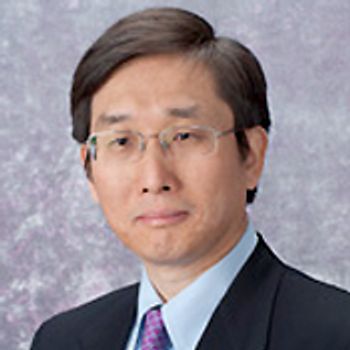
James J. Lee, MD, PhD, discusses research into mismatch repair deficiency as a biomarker for PD-1 inhibition in colorectal cancer.
Advertisement
Advertisement
Trending on OncLive
1
The OncFive: Top Oncology Articles for the Week of 10/4/2026
2
FDA Approves Atezolizumab Plus Chemo for Stage III dMMR Colon Cancer
3
FDA Grants Breakthrough Device Designation to Natera’s Multi-Cancer Early Detection Assay
4
VIR-5500 Receives FDA Fast Track Designation in mCRPC
5