


Hematologic Oncology
Latest News
Advertisement
Latest Videos
















































Advertisement
More News


Robert L. Redner, MD, a medical oncologist and hematologist, and professor of medicine, at the University of Pittsburgh Medical Center Hillman Cancer Center, discusses the potency of gilteritinib (Xospata) in acute myeloid leukemia (AML).

Gary J. Schiller, MD, discusses the challenges with treating patients with hairy cell leukemia and some emerging therapies that could impact clinical practice.

After decades of quiescence, the therapeutic landscape of hairy cell leukemia is undergoing rapid evolution.

Jing-Zhou Hou, MD, PhD, highlights the research being conducted in the realm of lymphoma, including positive and negative trials that have read out in the space, and provides insight into novel approaches under investigation.

Ariela Noy, MD, discusses a phase II trial of devimistat in Burkitt lymphoma and other lymphomas, and describes the unique mechanism of action of the agent.
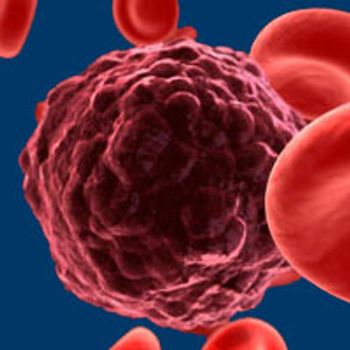
Despite the significant progress that has been made regarding the incidence, risk factors, and symptoms of hairy cell leukemia, diagnosis remains a challenge, due in part to the low incidence of the disease.

Martin S. Tallman, MD, discusses the biology, presentation, and available therapeutic options in hairy cell leukemia.
The pathogenesis, diagnostic criteria, staging, and prognosis of hairy cell leukemia, an uncommon indolent B-cell lymphoid neoplasm, is examined.




Advertisement
Advertisement
Trending on OncLive
1
FDA Approves Zidesamtinib in Pretreated ROS1+ NSCLC
2
FDA Accepts NDA for Daraxonrasib in Previously Treated Metastatic Pancreatic Cancer
3
Dr Patel on the Unmet Need in EGFR+ Transformed Small Cell Lung Cancer
4
Dr Galsky on Systemic Therapy Advances in Muscle-Invasive Bladder Cancer
5