




Hematologic Oncology
Latest News

Advertisement
Latest Videos


















































Advertisement
More News







Jordan Clark, the chief commercial officer at Diaceutics, discusses FLT3 retesting in a relapsed acute myeloid leukemia setting.

Hairy cell leukemia is a rare malignancy for which treatment has progressed significantly in recent years.
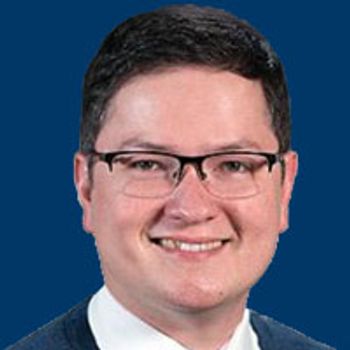
Kleber Yotsumoto Fertrin, MD, PhD, provided insight into the new options that have emerged in the treatment landscape of benign hematologic malignancies.
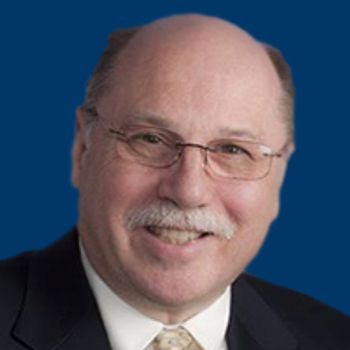
Robert L. Redner, MD, highlights some of the newer available agents in acute myeloid leukemia and ongoing studies that could impact clinical practice.
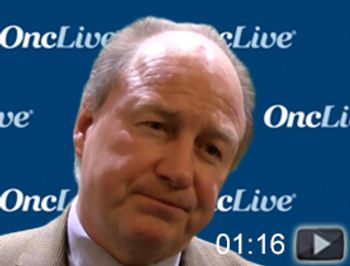
Paul Richardson, MD, clinical program leader, director of clinical research, Jerome Lipper Multiple Myeloma Center, Dana-Farber Cancer Institute, RJ Corman Professor of Medicine, Harvard Medical School, discusses the FDA approval of selinexor in multiple myeloma.

Vivian G. Oehler, MD, discusses the important aspects of TKI discontinuation and the patient factors that would warrant such an approach.

Chaitra S. Ujjani, MD, discusses the various therapeutic classes and agents that are showing the most promise in the field of follicular lymphoma.
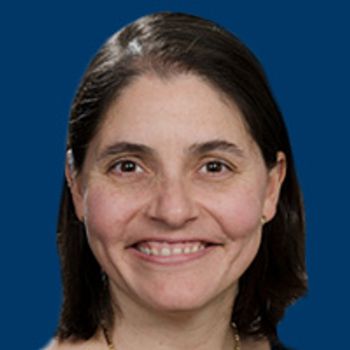
Mary-Elizabeth Percival, MD, discusses advances and challenges with targeted agents in acute myeloid leukemia and remaining questions in the field.
Kleber Y. Fertrin, MD, PhD, assistant professor, University of Washington School of Medicine, Seattle Cancer Care Alliance, discusses the FDA approval of avatrombopag in immune thrombocytopenia (ITP).
Enrico Tiacci, MD, discusses safety and efficacy results of a trial evaluating the BRAF inhibitor vemurafenib combined with rituximab in hairy cell leukemia.

The FDA has approved a supplemental new drug application to expand the use of avatrombopag to include the treatment of adult patients with chronic immune thrombocytopenia who have had an insufficient response to prior therapy.

Jerald P. Radich, MD, the methods that are used to measure minimal residual disease and the work being done to standardize its use in acute lymphoblastic leukemia.

Alexander E. Perl, MD, discusses gilteritinib’s place in the acute myeloid leukemia landscape and its potential future in the frontline setting.
Bijal Shah, MD, discusses the results of the phase I/II ZUMA-3 study, which looked at using KTE-X19, an anti-CD19 CAR T-cell therapy, to treat patients with relapsed/refractory acute lymphoblastic leukemia.
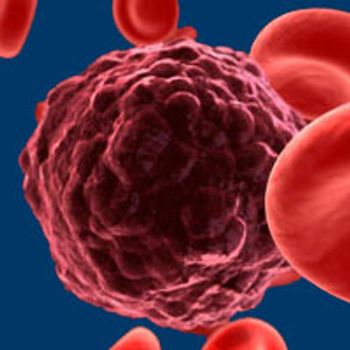
The FDA has lifted a partial clinical hold that was placed on the phase III CANOVA (M13-494; NCT03539744) trial, which is examining venetoclax in combination with pomalidomide and dexamethasone in patients with relapsed/refractory multiple myeloma that harbors t(11;14), according to AbbVie, the company that co-develops the BCL-2 inhibitor with Roche.

During a recent OncLive Peer Exchange discussion, a trio of immune thrombocytopenia specialists review clinical trial data that led to approval of the second-line agents, talk about efforts to refine first-line treatment, and discuss how they approach therapy selection for refractory patients. Finally, they highlight emerging therapies for ITP and the need to expand the pipeline.
Advertisement
Advertisement
Trending on OncLive
1
FDA Approves Zidesamtinib in Pretreated ROS1+ NSCLC
2
FDA Accepts NDA for Daraxonrasib in Previously Treated Metastatic Pancreatic Cancer
3
Dr Patel on the Unmet Need in EGFR+ Transformed Small Cell Lung Cancer
4
Dr Galsky on Systemic Therapy Advances in Muscle-Invasive Bladder Cancer
5