






Myeloproliferative Neoplasms
Latest News
Advertisement
Latest Videos


































































Advertisement
More News

Srdan Verstovsek, MD, PhD, discusses the mechanisms of action of momelotinib in myelofibrosis.

Ruben Mesa, MD, Jamile M. Shammo, MD, FASCP, FACP, Angela G. Fleischman, MD, PhD, and Stephen T. Oh, MD, PhD discuss the emerging treatment landscape in myelofibrosis.

Physical function-related symptoms were prominent in the symptom burden of adult patients with myelofibrosis and moderate or severe thrombocytopenia, according to a retrospective analysis of the phase 3 PERSIST-2 study.

Navitoclax plus ruxolitinib produced an improvement in bone marrow fibrosis and a reduction in variant allele frequency in patients with myelofibrosis who progressed on or had suboptimal response with prior ruxolitinib monotherapy.

The FDA has lifted a partial clinical hold that had been placed on studies examining magrolimab in combination with azacitidine following a review of comprehensive safety data collected from each trial.

Ann S. LaCasce, MD, MMSc, discusses updates in lymphoma, myelofibrosis, and chronic lymphocytic leukemia.

Jacqueline S. Garcia, MD, discusses the results of the phase 2 REFINE trial in patients with myelofibrosis.
Patients who develop post–essential thrombocythemia myelofibrosis or post–polycythemia vera myelofibrosis, which are associated with significant symptom burden and bone marrow failure, have limited therapies available for effective treatment.

Srdan Verstovsek, MD, PhD, discusses the efficacy of momelotinib in myelofibrosis.

Ruben A. Mesa, MD, discusses the rationale for the phase 3 MOMENTUM study in myelofibrosis.

The European Commission has expanded the current indication for avapritinib to include use as a single agent in adult patients with aggressive systemic mastocytosis, systemic mastocytosis with an associated hematologic neoplasm, or mast cell leukemia, following at least 1 systemic treatment.
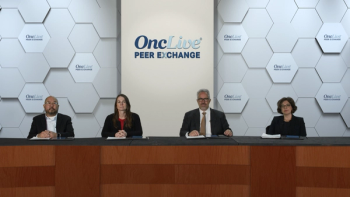
The panel concludes this discussion with clinical pearls they would like to share with colleagues that treat MPN and MF.
A group of experts share unmet needs in the treatment of MPN and MF while providing information about potential advances that could impact treatment in the future.
Dr Fleischman explains the clinical course she would take with MF treatment and what it would take to change therapies.

The National Comprehensive Cancer Network Clinical Practice Guidelines in Oncology have been revised to include ropeginterferon alfa-2b as a recommended treatment option for adult patients with polycythemia vera.

Ruben A. Mesa, MD, discusses the accelerated FDA approval of pacritinib (Vonjo) for the treatment of adult patients with intermediate or high-risk primary or secondary (post-polycythemia vera or post-essential thrombocythemia) myelofibrosis.

The FDA has granted an accelerated approval to pacritinib (Vonjo) for the treatment of select adult patients with intermediate or high-risk primary or secondary (post-polycythemia vera or post-essential thrombocythemia) myelofibrosis.
Dr Oh lists the ways MF can and should be monitored.
The panel relays how they would sequence MF therapies, as well as the novel combination therapies that can be used.
A panel of experts share how they select between treatment options for patients with MF.
More upfront therapy options for the MF treatment landscape are discussed, including the safety profiles of these drugs.

Marina Kremyanskaya, MD, PhD, discusses the safety and efficacy of pelabresib in patients with myelofibrosis, additional data from the MANIFEST trial, and other efforts investigating the agent in this disease.
A group of experts explain how to determine treatment for each patient with MF, as well as upfront therapy options.
The panel continues the MF prognosis discussion while also discussing biomarkers and treatment for the disease.
Drs Shammo and Mesa explain the MF prognosis and possible risk factors.
Advertisement
Advertisement
Trending on OncLive
1
Dr Fradley on Real-World Atrial Fibrillation and Cardiovascular Outcomes in CLL
2
Poll Results Highlight Breast Cancer Abstracts of Interest at ESMO 2026
3
FDA Grants Fast Track Designation to Opamtistomig for Advanced Biliary Tract Cancer
4
Dr Hansen on the Integration of CAR T-Cell Therapy Into Earlier Myeloma Treatment Lines
5