Lori A. Leslie, MD, reviews how the approval of axicabtagene ciloleucel may impact or enhance current practice patterns for adult patients with large B-cell lymphoma.
Lori A. Leslie, MD, reviews how the approval of axicabtagene ciloleucel may impact or enhance current practice patterns for adult patients with large B-cell lymphoma.

Marlana M. Orloff, MD, overviews how pivotal efficacy and safety data of tebentafusp will improve the treatment paradigm for adult patients with HLA-A*02:01–positive unresectable or metastatic uveal melanoma.
Perioperative pembrolizumab plus standard of care chemotherapy followed by adjuvant pembrolizumab showed a meaningful pathological complete response rate in patients with resectable gastric and gastroesophageal junction adenocarcinoma.

In the ENDOLA trial, olaparib in combination with metronomic cyclophosphamide and metformin showed a significant non-progression rate in patients with recurrent advanced or metastatic endometrial cancer.
Patients who develop post–essential thrombocythemia myelofibrosis or post–polycythemia vera myelofibrosis, which are associated with significant symptom burden and bone marrow failure, have limited therapies available for effective treatment.

“I can’t conceive of anything worse than being in a situation where you can’t ask, ‘How do we get better?’ ”

Distinctions in histology, molecular profiles, and tumor location have set diverging course of care for the treatment of patients with gastrointestinal cancers.
The durable antitumor activity of pembrolizumab and the clinically beneficial outcomes demonstrated with both adjuvant chemotherapy and adjuvant chemoradiotherapy have provided investigators with the foundation to assess the 2 approaches in combination in a phase 3 study.
Effective treatment paths leveraging neoadjuvant chemotherapy have been well-established for patients with muscle-invasive bladder cancer, with mounting retrospective and prospective data continuing to demonstrate overall survival benefit compared with adjuvant chemotherapy.

Since most diagnoses of esophageal squamous cell carcinoma are made when the disease is in advanced stages, investigators have initiated studies to evaluate the efficacy of immunotherapy in earlier lines of therapy, including in combination with chemoradiotherapy.
Charles L. Loprinzi, MD, discusses some of the most common treatment-related toxicities in breast cancer and provided insight into various current and investigational approaches available to patients.
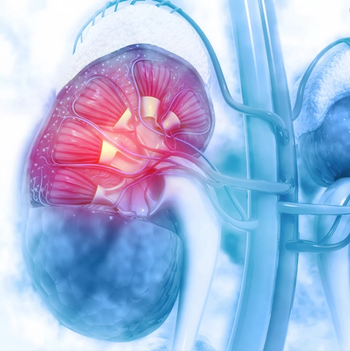
At a nearly 3-year median follow-up, health-related quality-of-life scores were improved or maintained over time among patients with advanced renal cell carcinoma who received with nivolumab plus cabozantinib compared with those who received sunitinib.

In 2021, 13 novel agents were approved across hematology/oncology. Additionally, there were many other notable approvals—whether they were new formulations, expanded indications, or biosimilar approvals—across tumor types that expanded accessibility for varying patient populations.

Ajai Chari, MD, reviews the takeaways from the PLEIADES trial and its comparability with the CANDOR trial, and how a subcutaneous formulation of a daratumumab combination became a pivotal player in the treatment enhancement for patients with relapsed or refractory multiple myeloma.

Jeffrey S. Weber, MD, PhD, overviews the successes made in the melanoma setting in the past decade and the challenges to overcome in the future.
Pembrolizumab demonstrated a statistically significant and clinically meaningful improvement in disease-free survival vs placebo as a postnephrectomy adjuvant therapy in patients with renal cell carcinoma at intermediate-high or high risk of recurrence, and in those who are M1 with no evidence of disease.

Joel Neal, MD, PhD, discusses the evolving treatment landscape for patients with EGFR exon 20–mutant non–small cell lung cancer.

The addition of immune checkpoint inhibitors and targeted therapies has paved the way for advances in the adjuvant and met-astatic setting with recent data from clinical trials demonstrating significant improvements in overall survival for patients with advanced melanoma.

Hope S. Rugo, MD, FASCO, provides her insights on the final analysis data from the international phase 3 ASCENT trial.
Lisocabtagene maraleucel in combination with ibrutinib was associated with manageable safety for patients with relapsed or refractory chronic lymphocytic leukemia or small lymphocytic lymphoma, according to updated data from the phase 1 TRANSCEND-CLL-004 trial.

Fam-trastuzumab deruxtecan-nxki demonstrated a clinically meaningful and statistically significant improvement in progression-free survival vs standard of care trastuzumab emtansine for patients with previously treated HER2-positive metastatic breast cancer.

Primary tumor response to nivolumab plus ipilimumab observed results of a Japanese study indicates a changing role for the timing of cytoreductive nephrectomy for patients with advanced renal cell carcinoma.fr
Patients with nonmetastatic castration-resistant prostate cancer demonstrated high adherence rates and favorable prostate-specific antigen response to apalutamide according to real-world evidence presented at the 2021 American Urological Association Annual Meeting.

Tislelizumab plus chemotherapy demonstrated clinically meaningful improvements in progression-free survival vs standard of care chemotherapy as a first-line treatment for patients with stage IIIB and those with stage IV advanced squamous non–small cell lung cancer.

Nivolumab elicited a prolonged clinical benefit in patients with advanced hepatocellular carcinoma regardless of prior sorafenib.

Sacituzumab govitecan-hziy, a Trop-2directed antibody-drug conjugate with an SN-38 payload, has carved out a role in the treatment landscape for patients with locally advanced or metastatic urothelial cancer following accelerated approval by the FDA.

Ferdinandos Skoulidis, MD, PhD, discusses the necessity for targeting and screening patients for KRAS G12C mutations.

Amivantamab ushers in a new era of targeted treatment for patients with locally advanced or metastatic non–small cell lung cancer with EGFR exon 20 insertion mutations.

February 4th 2022