




















































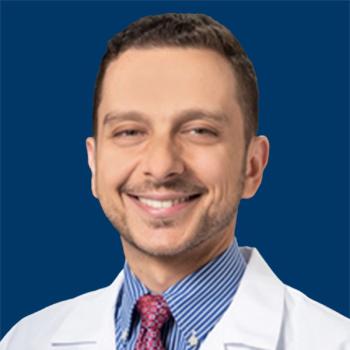
Fawzi F Abu Rous, MD, discusses updates to the ASCO Living Guidelines for the management of stage IV non–small cell lung cancer with driver alterations.

Cultural Competency and Respect Are Crucial for Addressing Disparities in Cancer Care
Fawzi F Abu Rous, MD, discusses updates to the ASCO Living Guidelines for the management of stage IV non–small cell lung cancer with driver alterations.

Inati-cel generated complete remissions and MRD negativity in CD19-positive relapsed/refractory B-cell acute lymphoblastic leukemia.
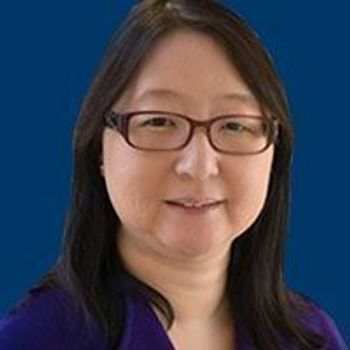
Eunice Wang, MD, provides an overview of currently available AML treatments and highlights the importance of mutational sequencing strategies.
Evan Y. Yu, MD, discusses the clinical evolution of radiopharmaceuticals for patients with mCRPC and how PSMA PET may evolve to monitor treatment response.
Douglas Flora, MD, FACCC, LSSBB, discusses the growing role of artificial intelligence tools in oncology practice.
Physicians at Fox Chase Cancer Center have begun accepting patients for a new clinical trial looking at the effectiveness of a HAI pump along with standard chemotherapy.

Nadofaragene firadenovec was safe and produced high CR rates at 3 months in Japanese patients with high-risk BCG-unresponsive NMIBC and CIS.

Pembrolizumab/chemotherapy was approved by Health Canada for the treatment of patients with unresectable advanced or metastatic pleural mesothelioma.

The Oncodetect test is now available for use in molecular residual disease detection in patients with solid tumors.
Reshma Lillaney Mahtani, DO, highlights her experience as a leader in oncology and emphasizes the need to further uplift other women in the field.

Salvage transplant was not associated with long-term survival benefits in relapsed/refractory multiple myeloma.
Sara M. Tolaney, MD, MPH, discusses the value of incorporating ctDNA monitoring of ESR1 mutations into routine management for HR-positive breast cancer.
Nerea Lopetegui-Lia, MD, discusses fertility preservation options for patients with TNBC and considerations for managing treatment-related toxicities.
Hope S. Rugo, MD, has led key breast cancer therapy trials and exudes a passion for serving patients.

China’s NMPA has accepted an sNDA for review, seeking the approval of repotrectinib for advanced solid tumors harboring NTRK fusions.

The combination of sacituzumab govitecan and pembrolizumab improved PFS vs pembrolizumab plus chemotherapy in PD-L1–positive mTNBC.

Frontline T-DXd plus pertuzumab led to statistically significant and clinically meaningful PFS improvements vs THP in HER2+ metastatic breast cancer.
Nataliya Mar, MD, discusses clinical considerations when selecting between the wide range of androgen receptor pathway inhibitors in prostate cancer.
Paolo Tarantino, MD, discusses adjuvant strategies, trial data, and risk stratification shaping HER2+ breast cancer care.
Fawzi F Abu Rous, MD, discusses ongoing efforts to address unmet needs in the management of squamous cell carcinoma of the lung.

The top 5 OncLive videos of the week cover insights in multiple myeloma, AL amyloidosis, myelofibrosis, breast cancer, and sarcoma.

Isabel Preeshagul, DO, MBS, discusses the need for a nuanced approach when selecting between targeted therapies in ALK- and EGFR-altered NSCLC.
Nogapendekin alfa inbakicept sBLA in NMIBC has been filed to FDA for review, a bexmarilimab combination elicits responses in MDS, and more from OncLive.
R. Lor Randall, MD, FACS, discusses the importance of orthopedic oncology consensus meetings and the need for agreement about certain surgical practices.
Nerea Lopetegui-Lia, MD, discusses ongoing trials investigating ADCs that are shaking up the metastatic triple-negative breast cancer setting.