







































































The FDA has granted a fast track designation to paxalisib in combination with radiation therapy for the treatment of patients with solid tumor brain metastases harboring PI3K pathway mutations.
The FDA has granted a fast track designation to paxalisib in combination with radiation therapy for the treatment of patients with solid tumor brain metastases harboring PI3K pathway mutations.

The FDA has granted orphan drug designation to inobrodib for use as a potential therapeutic option in patients with multiple myeloma.

The National Comprehensive Cancer Network has announced a guideline update concerning the treatment of patients with acute lymphoblastic leukemia, B-cell lymphomas, pediatric ALL, and pediatric aggressive mature B-cell lymphoma.

Although adjuvant treatment with ibandronate plus capecitabine resulted in a numerical improvement in overall survival vs ibandronate alone in elderly patients with moderate or high-risk early breast cancer, this did not reach statistical significance, according to long-term data from the phase 3 ICE study.
The FDA has lifted a partial clinical hold on the phase 1/2 TakeAim Leukemia trial evaluating emavusertib monotherapy and in combination with azacitidine and venetoclax in patients with relapsed/refractory acute myeloid leukemia or high-risk myelodysplastic syndrome.

Administration of glofitamab after pretreatment with obinutuzumab provided encouraging antitumor activity with high and durable complete response rates and a manageable safety profile in heavily pretreated patients with Richter syndrome.

Ixabepilone produced clinical benefit in patients with metastatic breast cancer selected for treatment with the DRP®-IXEMPRA® companion diagnostic candidate.
The FDA has granted a priority review to the biologics license application seeking the approval of zolbetuximab for the first-line treatment of patients with unresectable, locally advanced or metastatic, HER2-negative, gastric or gastroesophageal junction adenocarcinoma whose tumors are Claudin18.2 positive.

Press Release
The Center for Health Outcomes and Population Equity at Huntsman Cancer Institute and the University of Utah, in partnership with the Montana State University Center for American Indian and Rural Health Equity, received a grant for Cancer Control in Persistent Poverty Areas from the National Cancer Institute.

Krina K. Patel, MD, MSc, expands on the importance of evaluating outcomes for treatment with ide-cel in patients with relapsed/refractory multiple myeloma with different high-risk characteristics and key findings from the high-risk subgroup analysis of the KarMMa-3 trial.

The use of prostate stem cell antigen–targeted CAR T-cell therapy was well tolerated and produced evidence of anticancer effects in patients with metastatic castration-resistant prostate cancer.

The FDA has granted orphan drug designation to padeliporfin vascular targeted photodynamic therapy for use as a potential therapeutic option in patients with locally advanced pancreatic cancer.

The combination of botensilimab and balstilimab elicited durable responses and provided overall survival benefits in patients with microsatellite stable metastatic colorectal cancer that is resistant to chemotherapy and/or immunotherapy.

Julien Taieb, MD, discusses the importance of combining fluoropyrimidines with bevacizumab, key findings from the SUNLIGHT trial and the post-hoc analysis, and how these results may shake up the colorectal cancer treatment paradigm.
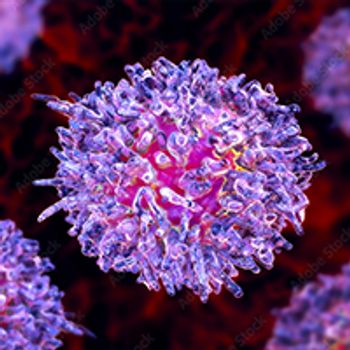
Treatment with the irreversible BTK inhibitor abivertinib led to responses and disease control in patients with relapsed/refractory marginal zone lymphoma.

Press Release
Jersey Shore University Medical Center is among the first hospitals in New Jersey to provide the HAI pump, which is offered at few hospitals in the country, enabling the N.J. community to stay close to home for care.
The FDA has approved a new drug application for 200-mg/mL vials of cyclophosphamide injection for use in combination therapy in the treatment of patients with various types of cancers, including malignant lymphoma, multiple myeloma, and various types of leukemia.

Datopotamab deruxtecan provided a statistically significant improvement in progression-free survival compared with standard-of-care docetaxel in patients with locally advanced or metastatic non–small cell lung cancer who received at least 1 prior line of therapy.

Adagrasib has demonstrated intracranial activity among patients with KRAS G12C–mutated non–small cell lung cancer with untreated central nervous system metastases.

A treatment regimen consisting of pepinemab plus trastuzumab and a dendritic cell vaccine, followed by autologous CD4-positive T cells, is under investigation in a phase 1 trial in patients with metastatic HER2-positive breast cancer.
The combination of disitamab vedotin with toripalimab generated responses and displayed a manageable safety profile in patients with locally advanced or metastatic urothelial carcinoma, irrespective of HER2 expression.

The combination of the oncolytic reovirus pelareorep and paclitaxel generated responses in patients with metastatic hormone receptor–positive/HER2-negative breast cancer.

The addition of first-line maintenance avelumab to best supportive care has sustained tolerability in patients with advanced urothelial carcinoma.

huCART19-IL8 had acceptable safety and induced durable responses in patients with lymphoma who were refractory or relapsed following second-generation CD19-targeted CAR T-cell therapies, according to data from a first-in-human phase 1 trial.

ONC-392/BNT316 demonstrated early signs of antitumor activity and manageable safety in patients with metastatic, PD-(L)1–resistant non–small cell lung cancer.