







































































The choice of BTK inhibitor regimen for patients with chronic lymphocytic leukemia must be tailored to the patient, taking into consideration their preferences and comorbidities, as well as potential treatment-related adverse effects.

Investigation of Pembrolizumab De-Escalation After pCR Aims to Challenge SOC in Early-Stage TNBC

MB-106 Generates Responses in BTK Inhibitor–Refractory Waldenström Macroglobulinemia
The choice of BTK inhibitor regimen for patients with chronic lymphocytic leukemia must be tailored to the patient, taking into consideration their preferences and comorbidities, as well as potential treatment-related adverse effects.

Press Release
Huntsman Cancer Institute at the University of Utah, a pioneering innovator dedicated to developing more effective ways to care for and prevent cancer, announced plans today for a new Huntsman Cancer Institute comprehensive cancer center in Utah County.

The FDA has approved the first and only iodine-based contrast agent iopromide-300, -370 injection for intra-arterial and intravenous contrast-enhanced mammography.

Jennifer M. King, MD, expands on the design and methodology of a retrospective study of teratoma in residual nonretroperitoneal disease post-chemotherapy and key findings regarding the correlation between teratoma in the primary tumor and rates of post-chemotherapy teratoma in residual non–nonretroperitoneal disease.

The combination of fianlimab and cemiplimab represents a wave of novel anti–LAG-3/PD-1 treatments being explored in patients with melanoma at high risk for relapse.

Camrelizumab combined with famitinib elicited responses and was well tolerated in patients with advanced melanoma previously exposed to an immune checkpoint inhibitor regimen.

The second line may be the optimal setting for patients with HR-positive, HER2-negative advanced breast cancer to receive CDK4/6 inhibitors plus an aromatase inhibitor followed by fulvestrant.

The EMA's Committee for Medicinal Products for Human Use has adopted a positive opinion regarding sacituzumab govitecan-hziy monotherapy in select patients with unresectable or metastatic hormone receptor–positive, HER2-negative breast cancer.
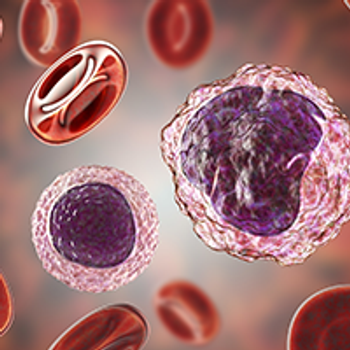
The combination of venetoclax, atezolizumab, and obinutuzumab elicited responses and prolonged time progression, in patients with chronic lymphocytic leukemia with Richter transformation, according to data from the phase 2 MOLTO trial.

The arrival of the Enhancing Oncology Model has renewed the uncertainties surrounding value-based care approaches for practices opting into the next wave of Center for Medicare & Medicaid Services performance structure

Press Release
The Pennsylvania Medical Society released its list of the 2023 Top Physicians Under 40 award recipients; 4 Fox Chase Cancer Center physicians were honored.
The FDA has granted an orphan drug designation to the orally bioavailable, reversible small molecule EGFR inhibitor ERAS-801 for the treatment of patients with malignant glioma, including glioblastoma.
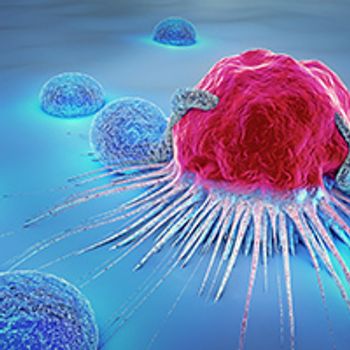
Epcoritamab has been added to the National Comprehensive Cancer Network Clinical Practice Guidelines in Oncology for B-cell Lymphomas in the third- or later-line setting for the treatment of patients with diffuse large B-cell lymphoma, including patients with disease progression after transplant or CAR T-cell therapy, and as a category 2A preferred regimen for patients with histologic transformation of indolent lymphoma to DLBCL with no intention to proceed to transplant, including patients with disease progression after transplant or CAR T-cell therapy.
Despite alarming figures and trends, public awareness of alcohol as a carcinogen remains low.

John M. Burke, MD, expands on the use of novel BTK inhibitor regimens in mantle cell lymphoma, treatment sequencing challenges and other unmet needs in diffuse-large B-cell lymphoma, the evolution of management strategies for myeloproliferative neoplasms, and the potential influence of new and emerging therapeutics in chronic lymphocytic leukemia.

Fixed-duration therapy with venetoclax plus obinutuzumab led to 60% reduction in the risk of progression or death compared with chlorambucil plus obinutuzumab, with benefit seen regardless of TP53 or IGHV mutation status, in previously untreated patients with chronic lymphocytic leukemia.

The CAR T-cell therapy AUTO4 was not associated with dose-limiting toxicities and led to early indications of efficacy in patients with relapsed/refractory TRBC1-positive peripheral T-cell lymphoma.

The BrECADD combination had noninferior efficacy and superior tolerability compared with escalated BEACOPP in patients with advanced classical Hodgkin lymphoma, according to data from the phase 3 HD21 trial.

Prithviraj Bose, MD, discusses the development of non-myelosuppressive JAK inhibitors for patients with myelofibrosis, where the future of combination therapy is headed in this population, and the importance of enrolling patients in clinical trials that are tailored to their disease subset and treatment needs.

The FDA has issued a complete response letter to the new drug application seeking the approval of ADX-2191 for the treatment of patients with primary vitreoretinal lymphoma.
Press Release
The University of Florida Health Cancer Center has received prestigious designation from the National Cancer Institute, or NCI, and joins the ranks of the country’s most distinguished cancer centers, becoming the 72nd in the United States and the only one in North Central Florida.
In 2011, the development of ipilimumab, a novel antibody targeting the CTLA-4 immune checkpoint, helped launch the modern era of anticancer immunotherapy.

Zanubrutinib plus obinutuzumab and venetoclax demonstrated lasting responses characterized by sustained progression-free survival and undetectable minimal residual disease in peripheral blood and bone marrow in previously untreated patients with chronic lymphocytic leukemia or small lymphocytic lymphoma.
Extended follow-up from the phase 3 SEQUOIA trial demonstrated that zanubrutinib maintained a progression-free survival benefit compared with bendamustine plus rituximab in previously untreated patients with chronic lymphocytic leukemia or small lymphocytic lymphoma.

Zilovertamab vedotin was tolerable and generated early efficacy signals in patients with relapsed/refractory non-Hodgkin lymphoma.