






































































Neoadjuvant pembrolizumab was found to have high clinical activity and an acceptable safety profile in patients with localized microsatellite instability–high/deficient mismatch repair solid tumors.

Mridula George, MD, discusses the methods used to evaluate cardiotoxicity associated with adjuvant trastuzumab emtansine plus concurrent radiation therapy, and explains implications on the use of trastuzumab emtansine plus radiation in patients with early-stage HER2-positive breast cancer.

Nanvuranlat Significantly Improves PFS in Pretreated, Advanced Biliary Tract Cancer
Neoadjuvant pembrolizumab was found to have high clinical activity and an acceptable safety profile in patients with localized microsatellite instability–high/deficient mismatch repair solid tumors.

Shaji Kumar, MD, discusses the MAIA trial; key takeaways regarding the long-term safety and efficacy of daratumumab, lenalidomide, and dexamethasone, in transplant-ineligible patients with newly diagnosed multiple myeloma; and the implications of this research on clinical practice.
The combination of magrolimab, rituximab, gemcitabine, and oxaliplatin produced deep, durable responses in patients with relapsed or refractory diffuse large B-cell lymphoma.
The FDA has approved elacestrant (Orserdu) for the treatment of postmenopausal women or adult men with estrogen receptor–positive, HER2-negative, ESR1-mutated advanced or metastatic breast cancer with disease progression following at least 1 line of endocrine therapy.

The FDA has approved pirtobrutinib (Jaypirca) for the treatment of adult patients with relapsed or refractory mantle cell lymphoma following at least 2 lines of systemic therapy, including a BTK inhibitor.

Brian Schulte, MD, discusses the relevance of these mutations and an actively enrolling phase 2 PRECISION-1 basket trial investigating the efficacy of nab-sirolimus in solid tumors.

The evolving treatment landscape across breast cancer has escalated the need for the accuracy of sentinel lymph node biopsies following treatment with neoadjuvant chemotherapy to correctly inform subsequent treatment decisions for patients.

Press Release
Henry Ford Health is the first healthcare provider in Michigan to offer Galleri®, GRAIL’s Multi-Cancer Early Detection blood test.
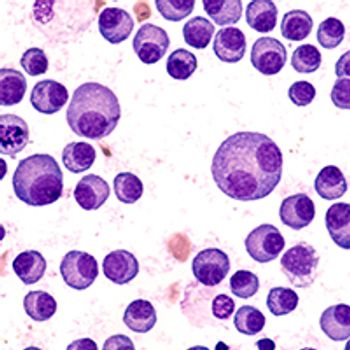
Ciltacabtagene autoleucel demonstrated a significant improvement in progression-free survival in patients with relapsed/lenalidomide-refractory multiple myeloma who received 1 to 3 prior lines of therapy.

Despite American Society of Clinical Oncology guidelines calling for introduction of palliative care early in the course of disease, these services remain underused.

The European Medicines Agency’s Committee for Medicinal Products for Human Use has recommended the approval of luspatercept for the treatment of patients with anemia associated with non–transfusion dependent beta thalassemia.

The FDA has approved pembrolizumab (Keytruda) as an adjuvant treatment following resection and platinum-based chemotherapy for patients with stage IB (T2a ≥4 cm), II, or IIIA non–small cell lung cancer.
The FDA has granted a fast track designation to tamibarotene for the treatment of higher-risk myelodysplastic syndrome.

Zolbetuximab demonstrated a survival benefit and a tolerable safety profile when combined with mFOLFOX6 vs mFOLFOX6 plus placebo in patients with CLDN18.2-positive, HER2-negative locally advanced unresectable or metastatic gastric or gastroesophageal junction adenocarcinoma, according to primary results from the phase 3 SPOTLIGHT trial.

Press Release
UW Carbone’s expertise in head and neck cancer treatment and research are held in high esteem nationally, as evidenced by the National Cancer Institute awarding UW a Specialized Program of Research Excellence grant in 2016.

Magenta Therapeutics has voluntarily paused enrollment for a phase 1/2 trial evaluating the antibody-drug conjugate MGTA-117 in patients with relapsed/refractory acute myeloid leukemia or myelodysplastic syndrome following the death of a patient.

Fam-trastuzumab deruxtecan-nxki has received approval in the European Union as a single agent for the treatment of patients with unresectable or metastatic HER2-low breast cancer who have received prior chemotherapy for metastatic disease or developed disease recurrence during or within six months of completing adjuvant chemotherapy.

The CAR T-cell therapy lisocabtagene maraleucel induced complete responses in patients with relapsed/refractory chronic lymphocytic leukemia or small lymphocytic leukemia.
The risk for developing hepatocellular carcinoma appears to increase with subsequent generations for Americans of Mexican descent, according to findings from a study of US-born Hispanics/Latinos living in Los Angeles, California.

Joyce O’Shaughnessy, MD, highlights key data from the 2022 San Antonio Breast Cancer Symposium, explains how trastuzumab deruxtecan and CDK4/6 inhibitors are altering the treatment landscape, and discusses novel data on steroid receptor expression in triple-negative breast cancer.

Fennec Pharmaceuticals announced an update to the National Comprehensive Cancer Network’s practice guidelines for Adolescent and Young Adult Oncology, calling for the use of sodium thiosulfate injection to reduce the risk for ototoxicity in pediatric patients receiving cisplatin.

Maintenance therapy with carfilzomib, lenalidomide, and dexamethasone led to a significant improvement in progression-free survival vs lenalidomide alone in patients with newly diagnosed multiple myeloma who underwent autologous stem cell transplant after induction therapy, according to an unplanned interim analysis of the phase 3 ATLAS trial.

The combination of avutometinib and defactinib elicited responses in patients with recurrent low-grade serous ovarian cancer, according to data from a planned interim analysis of the registration-directed phase 2 RAMP-201 trial.

Press Release
The American Oncology Network, LLC announced Brad Prechtl’s retirement as President and Chief Development Officer effective January 1, 2023.
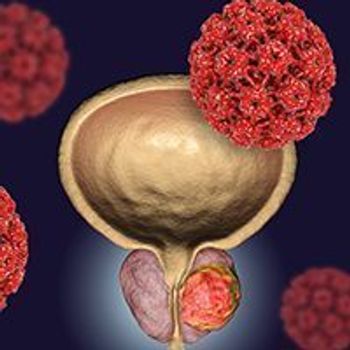
Merck is discontinuing the phase 3 KEYNOTE-991 trial evaluating pembrolizumab plus enzalutamide and androgen deprivation therapy vs placebo plus enzalutamide/ADT in patients with metastatic hormone-sensitive prostate cancer due to futility.