





































































Stephen V. Liu, MD and Neal E. Ready, MD, PhD, discuss the new data with nivolumab plus ipilimumab in treatment-naïve NSCLC and provide commentary on treatment considerations for patients who are eligible to receive these regimens.
Stephen V. Liu, MD and Neal E. Ready, MD, PhD, discuss the new data with nivolumab plus ipilimumab in treatment-naïve NSCLC and provide commentary on treatment considerations for patients who are eligible to receive these regimens.
Matthew J. Frigault, MD, discusses the findings from a phase 1 trial investigating the safety and efficacy of CART-ddBCMA in patients with multiple myeloma in whom all previous lines of treatment had failed and shares additional research opportunities for the CAR T-cell therapy.

The United Kingdom Medicines and Healthcare Products Regulatory Agency has extended the conditional marketing authorization of fam-trastuzumab deruxtecan-nxki for single-agent use in adult patients in Great Britain who have HER2-positive unresectable or metastatic breast cancer and have received 1 or more prior HER2-based regimens.

The European Commission has approved melphalan flufenamide for use in combination with dexamethasone for the treatment of adult patients with multiple myeloma who have received at least 3 prior therapies.

Elotuzumab plus pomalidomide and dexamethasone demonstrated a significant improvement in overall survival compared with pomalidomide and dexamethasone alone in patients with relapsed/refractory multiple myeloma who previously received treatment with lenalidomide and a proteasome inhibitor.
Julian Schink, MD, discusses a study evaluating racial differences in the mutational landscape of serous endometrial cancer, underscores the need for appropriate genomic testing and treatment for Black women with the disease, and explains the importance of racial representation across clinical trials.
The FDA has lifted a partial clinical hold on the open-label, dose-escalating phase 1/2 TakeAim Lymphoma trial investigating the safety and efficacy of emavusertib in patients with relapsed or refractory B-cell malignancies.
Press Release
Dana-Farber Brigham Cancer Center opened a new facility in Foxborough, MA, which provides world-class cancer care to patients in southern Massachusetts and Rhode Island.
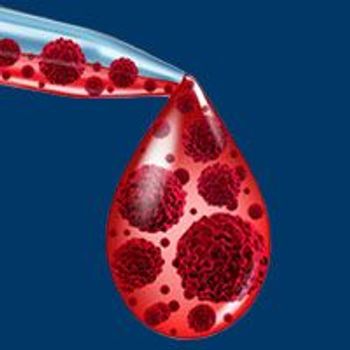
Although tumor mutational burden is established as a clinically informative feature of tumors, its optimal use in therapeutic decision-making faces many challenges, and we are only beginning to fully understand its strengths and limitations.

The combination of lenalidomide and rituximab demonstrated durable safety and efficacy that was comparable to that achieved with rituximab plus chemotherapy in previously untreated patients with follicular lymphoma, according to 6-year data from the phase 3 RELEVANCE trial.
Successful, established immunotherapies that have been approved for use in the metastatic setting are rapidly moving forward into the adjuvant and neoadjuvant settings, and novel agents are emerging in later lines.
The FDA has approved betibeglogene autotemcel (Zynteglo) for the treatment of adult and pediatric patients with beta-thalassemia who require regular red blood cell transfusions.
Katherine Tkaczuk, MD, discusses practice-changing data across breast cancer subtypes that were discussed at the 2022 ASCO Annual Meeting, including data from DESTINY-Breast04 and the phase 3 PALOMA-2 trial, plus the utilization of CDK4/6 inhibitors and PARP inhibitors for select patients with breast cancer.

Won Seog Kim, MD, PhD, discusses the potential clinical role of Anbalcabtagene autoleucel in relapsed/refractory diffuse large B-cell lymphoma and the continued evolution of CAR T-cell therapy.

Treatment with avapritinib led to clinically meaningful and statistically significant improvements in patient-reported symptoms and objective measures of mast cell burden in patients with non-advanced systemic mastocytosis.
The FDA has accepted a new drug application for momelotinib for the treatment of patients with myelofibrosis.

CDK4/6 inhibitors have carved out a substantial role in the treatment of patients with hormone receptor–positive, HER2-negative breast cancer.
Maintenance rituximab following first-line bendamustine plus rituximab or a combination of rituximab plus cyclophosphamide, doxorubicin, vincristine, and prednisone prolonged first-line treatment benefits and improved survival outcomes vs either induction regimen alone.

The Guardant Reveal assay has been expanded for the detection of minimal residual disease and disease recurrence in patients with early-stage breast cancer and lung cancer.
The FDA has approved the Oncomine Dx Target Test as a companion diagnostic to identify patients with NSCLC harboring an activating HER2 mutation who may derive clinical benefit from treatment with fam-trastuzumab deruxtecan-nxki.
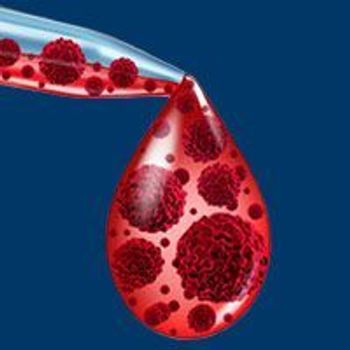
A combination regimen comprised of ruxolitinib and pomalidomide was found to be safe and feasible in a cohort of intermediate-2 and high-risk patients with primary or secondary myelofibrosis and anemia, according to data from the phase 1b/2 MPNSG-0212 trial.
The FDA has accepted a supplemental biologics license application for the combination of polatuzumab vedotin and R-CHP as a treatment for patients with previously untreated diffuse large B-cell lymphoma.
The FDA has granted priority review to a supplemental new drug application seeking the approval of olaparib in combination with abiraterone acetate and prednisone or prednisolone in adult patients with metastatic castration-resistant prostate cancer.

At the start of his career, Weijing Sun, MD, FACP, was motivated to explore potential new treatments for gastrointestinal malignancies, and is now an internationally known GI cancer expert.