





































































Emavusertib elicited antitumor activity when given as a monotherapy in patients with relapsed/refractory acute myeloid leukemia or high-risk myelodysplastic syndrome that harbored a spliceosome or FLT3 mutation.

For clinicians tasked with treating patients with prostate cancer, disease visualization has traditionally consisted of imprecise techniques such as MRI. However, a new artificial intelligence-based approach by Avenda Health is poised to potentially revolutionize the treatment landscape in the field.

FDA Grants Orphan Drug Designation to WP1122 for Glioblastoma Multiforme

FDA Grants Fast Track Designation to AMB-05X in Tenosynovial Giant Cell Tumors
Emavusertib elicited antitumor activity when given as a monotherapy in patients with relapsed/refractory acute myeloid leukemia or high-risk myelodysplastic syndrome that harbored a spliceosome or FLT3 mutation.

Press Release
More scientific evidence about the importance of nutrition and physical activity for cancer survivors has emerged in the past 10 years, prompting the American Cancer Society to update its guidance for physicians and patients.
Paul Bunn, MD, elaborates on carcinoembryonic antigen–related cell adhesion molecule 5 as a potential target in the treatment of non–small cell lung cancer.

The addition of the pre- and co-administration of nivolumab with concurrent chemoradiation appeared to be safe and feasible in patients with locally advanced cervical carcinoma, according to data from the phase 1 GOTIC-018 trial.
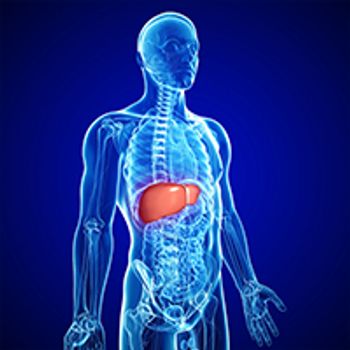
Second-line treatment with ramucirumab produced an overall survival benefit vs placebo in Chinese patients with hepatocellular carcinoma, irrespective of the presence of extrahepatic spread, according to findings from an exploratory analysis of the phase 3 REACH and REACH-2 trials.

Data from a recent analysis revealed that nearly 1 in 7 patients with hepatocellular carcinoma experience treatment delays, with higher odds observed in Black patients and those living in high poverty neighborhoods.
The FDA has approved the biosimilar pegfilgrastim for use in patients with non-myeloid malignancies receiving myelosuppressive anti-cancer drugs associated with a clinically significant incidence of febrile neutropenia.
R. Lor Randall, MD, FACS, discusses the findings from a subset analysis of the PARITY trial on the timing of neoadjuvant chemotherapy in patients with lower-extremity sarcomas.
The sequential treatment of regorafenib followed by nivolumab was found to have an acceptable toxicity profile in patients with hepatocellular carcinoma who progressed on and tolerated first-line sorafenib, according to early data from the phase 1/2a GOING trial.
Press Release
Florida Cancer Specialists & Research Institute announced the formation of additional precision oncology capabilities and resources comprised of geneticists, informatics specialists, and database technologies that will enhance patient care through comprehensive analysis of molecular data.
Immunotherapy in the form of ipilimumab plus nivolumab followed by the targeted therapy combination encorafenib plus binimetinib elicited an overall survival benefit in patients with untreated BRAF-mutated metastatic melanoma, according to findings from the phase 2 SECOMBIT trial.
A panel of hematology cancer experts discuss the current treatment landscape and novel emerging therapies for patients with myelofibrosis.
A single-center study at the Dana-Farber Cancer Institute/Brigham and Women’s Hospital assessed the real-world experience of 20 patients treated with idecabtagene vicleucel with relapsed and refractory multiple myeloma who had exhausted at least 4 lines of prior therapy.
Amputation is an independent predictor of poor outcomes among patients with high-grade bone sarcoma of lower extremity, and non-private insurance was found to be linked with increased likelihood of amputation and an advanced stage at presentation in this patient population.

Five years since the first FDA approval of CAR T-cell therapy in relapsed/refractory lymphoma, there is still much to learn about how to optimize its use, according to Sattva S. Neelapu, MD.
Research published in 2022 has advanced our understanding of the effect of neoadjuvant therapy on organ preservation for patients with locally advanced rectal cancer.

DNA damage homologous recombination repair genotypic variants are not created equal.
Findings of a retrospective study demonstrated a high dosing compliance with daratumumab compared with approved indications for patients with multiple myeloma in the real-world setting.
Fixed-duration bendamustine plus rituximab was effective in patients with previously untreated Waldenström macroglobulinemia, regardless of MYD88L265P mutation status, but the presence of the CXCR4WHIM mutation may be associated with resistance to the combination.
The FDA has approved durvalumab (Imfinzi) in combination with gemcitabine and cisplatin in adult patients with locally advanced or metastatic biliary tract cancers.

Sacituzumab govitecan displayed encouraging progression-free survival rates compared with single-agent chemotherapy in patients with locally recurrent inoperable or metastatic hormone receptor–positive, HER2-negative breast cancer, according to findings from the phase 3 TROPiCS-02 study.

Adana A.M. Llanos, PhD, MPH, discusses key research on the social and biological factors that influence disparities in breast cancer, how these factors work in tandem to affect patient outcomes, and how this knowledge can be deployed in the real world.
Michael Dickinson, MBBS, expands on data from a phase 2 dose-expansion study of glofitamab in heavily pretreated, highly refractory large B-cell lymphoma, explains the effect bispecific antibodies could have on treatment, and highlights other research efforts surrounding glofitamab-based therapies.
A dramatic presentation at the 2022 American Society of Clinical Oncology Annual Meeting changed treatment standards seemingly overnight for women with previously treated metastatic HER2-low breast cancer. However, fundamental questions remain.

Press Release
Researchers at Fox Chase Cancer Center have discovered that the drug efflux pump MDR1 promotes resistance to a promising new class of drugs called PROTACS—proteolysis-targeting chimeras.