






































































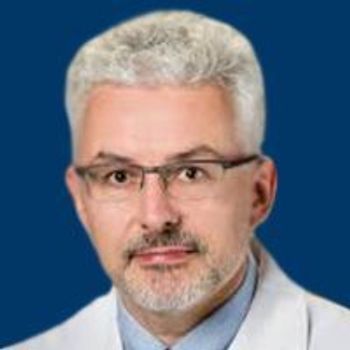
Srdan Verstovsek, MD, PhD, discusses the clinical implications of the FDA approval of pemigatinib, the results of the FIGHT-203 trial, and the need to conduct chromosomal analysis for patients with myeloid/lymphoid neoplasms.

Srdan Verstovsek, MD, PhD, discusses the clinical implications of the FDA approval of pemigatinib, the results of the FIGHT-203 trial, and the need to conduct chromosomal analysis for patients with myeloid/lymphoid neoplasms.
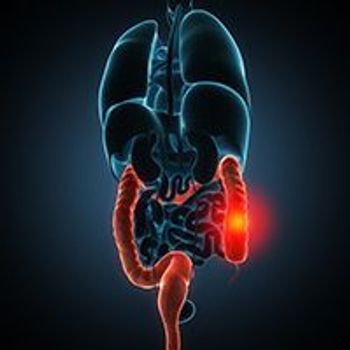
The addition of bevacizumab to trifluridine/tipiracil resulted in a statistically significant improvement in overall survival over trifluridine/tipiracil alone in patients with refractory metastatic colorectal cancer after 2 chemotherapy regimens.

Intensive first-line treatment with high-dose chemotherapy and autologous stem cell transplant was not associated with higher rates of late effects compared with outcomes from less intensive therapies in patients with mantle cell lymphoma.

Press Release
In a recent study, researchers at Fox Chase Cancer Center demonstrated how cancer cells can survive in the body even when faced with a lack of sufficient nutrition, a finding that could be used as a potential indicator of disease status in the organs of pancreatic cancer patients.
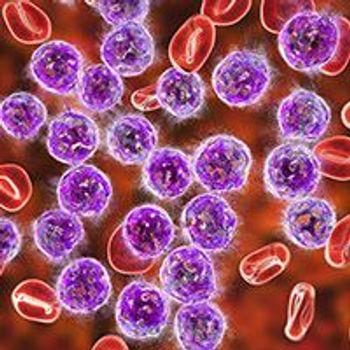
Obinutuzumab, acalabrutinib, and venetoclax following optimal debulking with bendamustine failed to meet the prespecified rate of undetectable minimal residual disease in the peripheral blood at the end of induction treatment in patients with relapsed/refractory chronic lymphocytic leukemia.
The FDA has granted an orphan drug designation to DUNP19 for the treatment of osteosarcoma.

The combination of lenvatinib and pembrolizumab was found to induce high response rates, including long-lasting remissions, and have acceptable safety in patients with metastasized anaplastic thyroid carcinoma and poorly differentiated thyroid carcinoma.

Frontline lenvatinib plus pembrolizumab displayed a promising overall response rate and disease control rate in patients with non–clear cell renal cell carcinoma.

GSK3326595, a PRMT5 inhibitor, displayed modest efficacy and safety signals that were consistent with those that were previously reported with the agent among patients with advanced solid tumors.

Adagrasib monotherapy and in combination with cetuximab generated encouraging responses in patients with advanced colorectal cancer harboring KRAS G12C mutations.

Ribociclib plus endocrine therapy elicited statistically significant progression-free survival and overall survival benefits vs placebo plus endocrine therapy in patients with hormone receptor–positive/HER2-negative advanced breast cancer with visceral metastases, including those with liver metastases and multiple metastatic sites.

An analysis of patient-reported outcomes from the phase 2 KEYNOTE-522 trial demonstrated that pembrolizumab was not associated with effects on health-related quality of life in patients with triple-negative breast cancer.

Belzutifan plus cabozantinib was well tolerated and demonstrated promising antitumor activity in patients with treatment-naïve advanced clear cell renal cell carcinoma.
Belzutifan plus cabozantanib sustained antitumor activity in patients with advanced clear cell renal cell carcinoma who previously received immunotherapy.

Compared with adjuvant pembrolizumab alone, the addition of neoadjuvant pembrolizumab significantly improved event-free survival outcomes for patients with stage III-IV melanoma with a hazard ratio of 0.58.

Results from a retrospective analysis presented during the 2022 ESMO Congress indicated that circulating tumor DNA could potentially be leveraged as a prognostic factor and a tumor-specific biomarker for diffuse large B-cell lymphoma in China.
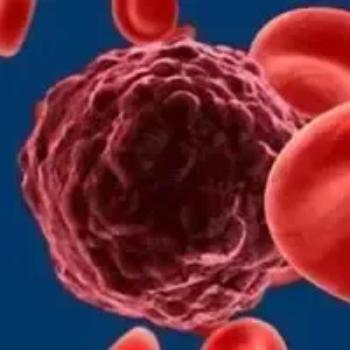
The combination of orelabrutinib and R-CHOP elicited a favorable overall response rate and progression-free response rate in patients with previously untreated non–germinal center B-cell–like diffuse large B-cell lymphoma (DLBCL) with extranodal disease.

The combination of pembrolizumab and olaparib did not significantly improve radiographic progression-free survival and overall survival compared with novel hormonal agents in patients with molecularly unselected, previously treated metastatic castration-resistant prostate cancer.
The combination of enfortumab vedotin and pembrolizumab elicited a high overall response rate and a manageable safety profile in patients with locally advanced or metastatic urothelial cancer.

The addition of 24 months of androgen deprivation therapy to postoperative radiotherapy after radical prostatectomy provided a metastasis-free survival benefit and improved time to salvage therapy in patients with prostate cancer.
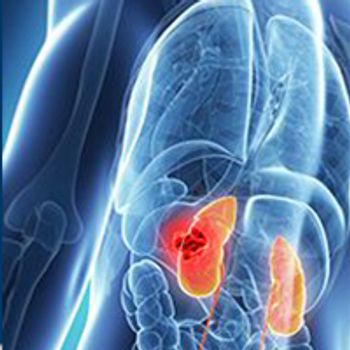
The presence of more than 2 tertiary lymphoid structures coupled with increased density of Ki-67 and PD-1 positivity was shown to be associated with an increased response rate and prolonged progression-free survival with the combination of nivolumab and ipilimumab as frontline therapy in patients with metastatic renal cell carcinoma.

Tucatinib plus trastuzumab improved radiographic response rates in patients with metastatic HER2-positive colorectal cancer initially treated with tucatinib monotherapy who later crossed over to receive doublet therapy.

The clinical benefit and tolerable safety profile of trastuzumab deruxtecan was maintained at 5.4 kg/mg vs 6.4 kg/mg in patients with HER2-mutated non–small cell lung cancer, confirming the benefit-risk ratio of the FDA-approved dose.

Sotorasib doubled the rate of progression-free survival at 12 months and reduced the risk of progression or death by 34% compared with docetaxel for patients with previously treated non–small cell lung cancer with KRAS G12C mutations.

Atezolizumab led to an almost doubling in the rate of 2-year overall survival compared with vinorelbine or gemcitabine in patients with advanced platinum-ineligible non–small cell lung cancer.