Gemcitabine intravesical system in BCG-unresponsive, high-risk NMIBC led to high CR rates and low radical cystectomy rates.
Gemcitabine intravesical system in BCG-unresponsive, high-risk NMIBC led to high CR rates and low radical cystectomy rates.
A reduced docetaxel regimen helped lower rates of AEs when combined with daolutamide and ADT in mHSPC.
Belzutifan plus pembrolizumab and lenvatinib improved efficacy outcomes compared with multiple other pembrolizumab-based triplet regimens in advanced clear cell renal cell carcinoma.
The photosensitizing drug and light delivery system yielded complete responses and a low rate of disease recurrence in patients with low-grade UTUC.
Nivolumab plus ipilimumab failed to improve overall survival in cisplatin-ineligible, unresectable urothelial carcinoma.
Sasanlimab plus BCG led to a PFS benefit vs BCG alone in patients with CIS and T1 high-risk non–muscle invasive bladder cancer.
The majority of patients with prostate cancer treated with an enzalutamide or leuprolide acetate regimen recovered their testosterone levels.
Treatment with casdatifan was well tolerated and showed meaningful clinical activity in patients with previously treated ccRCC.
Darolutamide generated lower treatment discontinuation rates and longer MFS vs enzalutamide or apalutamide in both Black and White patients with nmCRPC.
Darolutamide plus ADT and docetaxel demonstrated efficacy benefits in men with mHSPC regardless of whether they were younger or older than 75 years of age.
Data spotlighted that the addition of perioperative durvalumab to radical cystectomy and adjuvant chemotherapy improved outcomes in MIBC.

Apalutamide/ADT maintains quality of life, demonstrates improved PSA progression-free survival in recurrent prostate cancer according to PRESTO trial.
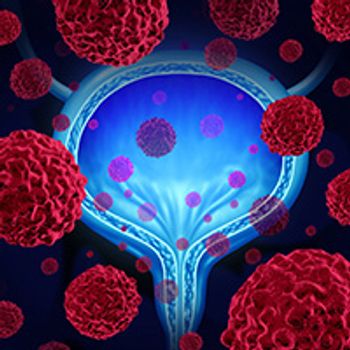
Neoadjuvant darolutamide with ADT followed by radical prostatectomy is safe and effective in patients with prostate cancer.

Treatment with lutetium Lu 177 vipivotide tetraxetran improved radiographic progression-free survival compared with abiraterone acetate or enzalutamide in patients with metastatic castration-resistant prostate cancer who were taxane naïve and experienced disease progression on a prior second-generation androgen receptor pathway inhibitor.
Belzultifan in combination with cabozantinib generated durable responses independent of International Metastatic RCC Database Consortium risk category in patients with treatment-naïve clear cell renal cell carcinoma or those who had received prior immunotherapy.

The combination of enfortumab vedotin-ejfv and pembrolizumab generated rapid and durable responses and demonstrated a manageable safety profile in patients with locally advanced or metastatic urothelial carcinoma who were ineligible for cisplatin.

Patients with nonmetastatic castration-resistant prostate cancer who received darolutamide were observed to have a longer time to treatment discontinuation and progression to metastatic castration-resistant disease than those who received enzalutamide or apalutamide.
Hypertension was found to be an independent risk factor for worse survival outcomes in patients with upper tract urothelial cancer undergoing radical nephroureterectomy.

Treatment with lutetium 177 PSMA-I&T radioligand therapy led to prostate-specific antigen declines with an acceptable toxicity profile in patients with metastatic castration-resistant prostate cancer.

Pembrolizumab monotherapy led notable antitumor activity with manageable toxicity in patients with Bacillus Calmette-Guérin–unresponsive, papillary high-risk non–muscle-invasive bladder cancer

Darolutamide maintained an acceptable long-term safety profile in patients with nonmetastatic castration-resistant prostate cancer, with approximately 30% of patients remaining on the treatment for at least 4 years

Treatment developments in advanced prostate cancer are hinging on the benefits of triplet therapy and individualized care, the results of which are also informing treatment sequencing.

Emerging technologies such as PSMA-PET and magnetic resonance imaging, as well as increasingly refined molecular tests, are strengthening the prostate cancer treatment landscape.
The combination of enfortumab vedotin and pembrolizumab elicited a high overall response rate and a manageable safety profile in patients with locally advanced or metastatic urothelial cancer.

Perioperative nivolumab did not improve recurrence-free survival compared with surgery alone in patients with renal cell carcinoma.

Darolutamide significantly reduced the risk of metastatic progression and improved overall survival, compared with placebo, in patients with nonmetastatic castration-resistant prostate cancer.

Cabazitaxel can safely be combined with darolutamide in patients with metastatic castration-resistant prostate cancer.

177Lu-PSMA-617 represents an acceptable option for patients with metastatic castration-resistant prostate cancer who are progressing after docetaxel, as it has been shown to provide similar overall survival benefit to that of cabazitaxel, with a stronger progression-free survival benefit and fewer toxicities

The addition of maintenance avelumab to best supportive care demonstrated improved outcomes for patients with advanced urothelial carcinoma including those who went on to receive second-line therapy.

Results of the ATLANTIS study do not support further investigation of cabozantinib alone as a maintenance therapy after platinum-based chemotherapy in unselected patients with advanced urothelial cancer.

September 19th 2020