












































Richard Kim, MD, discusses the therapeutic landscape of advanced hepatocellular carcinoma in light of recent findings and highlighted anticipated research in the field.

Richard Kim, MD, discusses the therapeutic landscape of advanced hepatocellular carcinoma in light of recent findings and highlighted anticipated research in the field.

The FDA has granted an approval to the combination of atezolizumab with carboplatin and etoposide for the frontline treatment of patients with extensive-stage small cell lung cancer.

Atezolizumab (Tecentriq) demonstrated consistent safety and efficacy with prior studies of the PD-L1 inhibitor in patients with locally advanced or metastatic urothelial carcinoma, including clinically relevant subgroups reflective of real-world clinical practice.
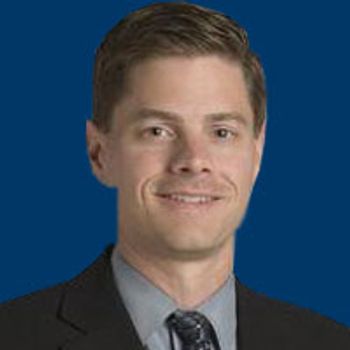
Brian I. Rini, MD, discusses the next steps with tivozanib (Fotivda) and immunotherapy/TKI combinations in patients with metastatic renal cell carcinoma.
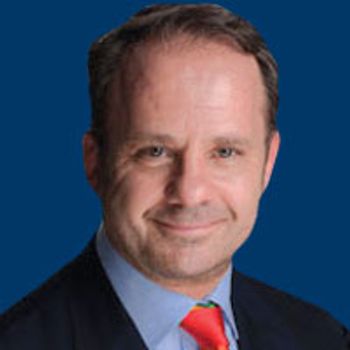
Andre Goy, MD, MS, shares insight on the stratification of patients with mantle cell lymphoma and other molecular markers that are being applied towards optimal treatment decisions in this disease.
The NCCN has updated their clinical practice guidelines for the treatment of patients with colorectal cancer to include the regimen of encorafenib and binimetinib plus EGFR inhibition with either cetuximab or panitumumab as a Category 2a treatment recommendation for patients with BRAF V600E–mutant metastatic colorectal cancer, after failure of 1 or 2 lines of therapy for metastatic disease.

Saad Z. Usmani, MD, shares insight on approaches to early relapse in myeloma given the evolution of frontline treatment advances.
Spectrum Pharmaceuticals has voluntarily withdrawn their biologics license application for eflapegrastim, due to the company needing more time to complete the FDA’s request for additional manufacturing-related information.

The FDA has added 3 months to the review period for a new drug application for selinexor for the treatment of patients with penta-refractory multiple myeloma, making the new action date July 6, 2019.
Sergio A. Giralt, MD, discusses recent data with allogeneic hematopoietic stem cell therapy and why this long-standing modality remains an integral part of treatment for patients with relapsed myeloma.

Hope E. Uronis, MD, MHS, sheds light on therapeutic classes in gastric and esophageal cancer and the trials that have demonstrated their utility and refined their applicability across settings, subpopulations, and histologies of gastric/GEJ cancer.

Michael A. Morse, MD, FACP, MHS, highlights the latest ongoing research in hepatocellular carcinoma and predicts what future treatment might look like in this field.

The United Kingdom’s Medicines and Healthcare Products Regulatory Agency has granted an Early Access to Medicines Scheme positive scientific opinion to atezolizumab in combination with nab-paclitaxel for patients with unresectable locally advanced or metastatic PD-L1–positive triple-negative breast cancer.

The European Commission has approved pembrolizumab in combination with carboplatin and either paclitaxel or nab-paclitaxel for the frontline treatment of patients with metastatic squamous non–small cell lung cancer.

Given the poor prognosis of pancreatic cancer and the steady stream of negative phase III trials, clinicians are facing an uphill battle in the treatment of patients with metastatic pancreatic cancer.

AR-V7 protein in circulating tumor cells is a predictive marker of shorter progression-free and overall survival with antiandrogen therapy in patients with metastatic castration-resistant prostate cancer.

Nilofer Saba Azad, MD, discusses data from 3 recent pivotal trials have influenced practice and/or warrant consideration when treating patients with localized pancreatic cancer.

A supplemental biologics license application has been submitted to the FDA for the approval of daratumumab in combination with lenalidomide and dexamethasone for the treatment of patients with newly diagnosed multiple myeloma who are ineligible for autologous stem cell transplant.

Jonathan R. Strosberg, MD, sheds light on the latest developments made in the complex treatment paradigm of gastroenteropancreatic neuroendocrine tumors.

The adjuvant combination of nab-paclitaxel and gemcitabine was not found to improve disease-free survival compared with gemcitabine alone, as confirmed by independent radiological review, in patients with pancreatic cancer.
National Cancer Institute director Norman (Ned) E. Sharpless, MD, has been named as acting commissioner of the FDA once Scott Gottlieb, MD, leaves the regulatory agency in April 2019.

The combination of ramucirumab and erlotinib significantly improved progression-free survival compared with placebo and erlotinib as a frontline treatment for patients with metastatic EGFR-mutant non–small cell lung cancer, meeting the primary endpoint of the RELAY trial (NCT02411448).

Naiyer A. Rizvi, MD, highlights the progress made with immunotherapy in patients with NSCLC and shed light on where further research needs to go to move the needle forward.
Michael Morse, MD, FACP, MHS, highlights the importance of peptide receptor radionuclide therapy in the management of patients with neuroendocrine tumors and identifies significant unmet needs that will need to be addressed in order to continue advancement in the space.
The FDA has granted an approval to PF-05280014 (Trazimera; trastuzumab-qyyp), a trastuzumab biosimilar, to treat patients with HER2-overexpressing breast cancer as well as HER2-overexpressing metastatic gastric or gastroesophageal junction adenocarcinoma.